

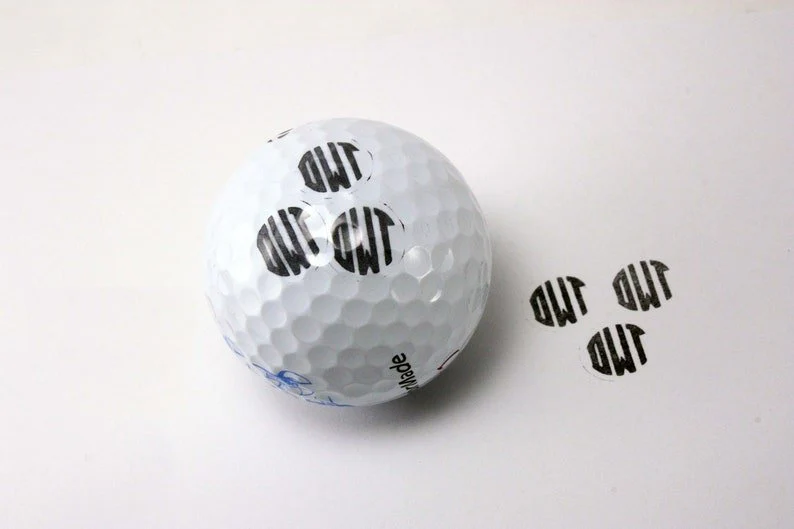
Golf is a game of precision, strategy, and attention to detail, and even the smallest accessories can significantly enhance a player’s experience. One accessory that has grown in popularity among golfers is the golf ball stamp, which allows players to mark their balls for easy identification, personalization, and even aesthetic appeal. However, not all stamps are created equal. Choosing a high-quality, durable stamp ensures that your golf balls remain clearly marked and your investment lasts for many rounds. Evaluating these factors carefully can help golfers select a product that delivers consistent performance and long-term reliability.
The first aspect to consider when evaluating a golf ball stamp is the quality of its construction and materials. A stamp made from robust materials will withstand repeated use and exposure to outdoor conditions, including moisture, dirt, and impact from striking the ball. By choosing a Best Golf Ball Stamp, golfers can ensure they are investing in a tool that offers both durability and reliable performance. A high-quality stamp should maintain consistent pressure during application, resulting in clear, uniform impressions every time it is used, which is essential for both practical identification and maintaining a professional appearance.
Material Quality and Construction
The durability of a golf ball stamp begins with the materials used to construct it. Stamps made from high-quality metals, reinforced plastics, or durable composite materials are less likely to crack, break, or wear out over time. Handles and grips should be comfortable and ergonomic, allowing for repeated use without discomfort or hand fatigue. Additionally, the stamping surface itself should be made from resilient material that can retain its shape and design integrity after hundreds of impressions.
Construction quality also affects the stamp’s longevity. Well-engineered stamps feature precise mechanisms that ensure even pressure distribution across the ball’s surface, producing consistent and legible marks. In contrast, poorly constructed stamps may create uneven impressions or require excessive force, reducing both effectiveness and durability.
Ink Quality and Longevity
The ink used in a golf ball stamp is equally critical to its performance. High-quality inks are formulated to adhere to the surface of a golf ball without affecting its performance or balance. They should be resistant to fading, smudging, and washing off, even after exposure to moisture, rough surfaces, and repeated strikes. Cheap or low-quality inks can fade quickly, leaving balls difficult to identify and forcing frequent re-stamping, which diminishes the value of the investment.
When evaluating ink, consider the color options and visibility as well. Darker colors like black or blue are generally more visible on standard white golf balls, while brighter colors or contrasting shades can improve visibility in varying course conditions. Long-lasting, vibrant ink ensures that your markings remain clear throughout an entire round, enhancing both recognition and efficiency.
Ease of Use and Consistency
Durability is not limited to materials and ink; it also extends to how consistently the stamp performs during use. A high-quality stamp should produce a clean and uniform impression every time it is applied. Look for stamps with ergonomic designs, self-inking mechanisms, or adjustable features that make application simple and reliable. Consistency in stamping reduces frustration and ensures that all marked balls are equally identifiable, whether you are playing casually, practicing, or competing in tournaments.
Ease of use also affects how frequently you will use the stamp. A stamp that is cumbersome or difficult to operate may result in uneven markings or be left unused altogether. Choosing a model that combines ergonomic comfort with straightforward operation is essential for maximizing both durability and practicality.
Design and Customization Options
The design and customization options available in a golf ball stamp can also impact its usefulness and longevity. Stamps that allow for personalized initials, logos, symbols, or graphics provide not only a unique identifier for each ball but also ensure that the impression is meaningful and visually distinct. High-quality stamps maintain crisp details in intricate designs, even after repeated use. When evaluating durability, check that complex designs remain legible and intact after many impressions.
Additionally, consider the size and placement of the stamped design. The stamp should fit comfortably on a standard golf ball without interfering with manufacturer logos or alignment markings, and it should leave an impression that is large enough to be visible from a distance.
Portability and Maintenance
Durable golf ball stamps are also easy to transport and maintain. A compact, lightweight design that fits in a golf bag ensures accessibility during rounds, while protective covers prevent ink leakage and keep the stamp in good condition. Maintenance features, such as replaceable ink pads or easy-to-clean components, extend the lifespan of the stamp, allowing it to perform reliably for years.
Conclusion
Evaluating quality and durability in a golf ball stamp requires attention to several key factors: construction materials, ink quality, consistency of performance, ease of use, design options, and portability. A durable, well-made stamp ensures clear and long-lasting markings, improves ball recognition, and enhances the overall golfing experience. By selecting a high-quality product, golfers can enjoy reliable identification, smoother play, and a personalized touch that adds both functionality and style to every round.