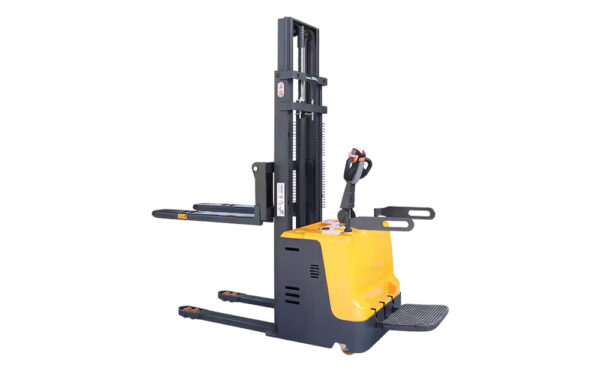
In today’s competitive logistics and warehousing environment, selecting the right equipment partner is a strategic decision that directly impacts productivity, safety, and long-term operational costs. Electric stackers are widely used in material handling operations, and the quality of these machines depends heavily on the manufacturer behind them.
When comparing options, businesses often evaluate established Electric Stacker Manufacturer companies that specialize in engineering reliable and efficient warehouse equipment. For example, Meenyon represents a segment of manufacturers focused on developing electric material handling solutions designed for modern industrial demands. Reviewing solutions such as Electric Stacker Manufacturer offerings helps buyers understand what separates high-quality providers from average suppliers.
Table of Contents
ToggleUnderstanding the Role of a Manufacturer in Equipment Quality
The manufacturer is responsible for the entire lifecycle of an electric stacker, from design and engineering to production and testing. This makes their capabilities a critical factor when comparing different options in the market.
A strong manufacturer influences:
- Product durability and structural strength
- Safety features and compliance standards
- Performance consistency under heavy workloads
- Long-term maintenance requirements
Because of this, evaluating manufacturing quality is essential before making a purchasing decision.
Product Design and Engineering Capabilities
One of the most important comparison factors is the manufacturer’s engineering strength. High-quality electric stackers are built using advanced design principles that ensure efficiency and safety.
Key design considerations include:
- Load-bearing structure optimization
- Energy-efficient motor systems
- Stable lifting and lowering mechanisms
- Ergonomic operator control design
Manufacturers with strong engineering teams are more likely to produce innovative and reliable equipment that performs well in demanding environments.
Material Quality and Manufacturing Standards
Material selection directly impacts durability and equipment lifespan. Buyers should carefully evaluate the materials and production standards used by different manufacturers.
Important factors include:
- Use of high-strength steel and reinforced components
- Corrosion-resistant coatings for long-term use
- Precision welding and assembly techniques
- Consistent quality control across production batches
Higher material standards often translate into fewer breakdowns and lower maintenance costs.
Safety Features and Compliance
Safety is a key differentiator when comparing manufacturers. Reliable producers integrate advanced safety systems into their electric stackers to protect operators and goods.
Essential safety features include:
- Automatic braking systems
- Overload protection mechanisms
- Emergency stop functionality
- Load stability control systems
In addition, compliance with international safety standards such as ISO certifications is an important indicator of quality.
Technology and Innovation Levels
Modern warehouses require equipment that incorporates advanced technology. Manufacturers that invest in innovation are better positioned to meet evolving industry needs.
Technological features to compare include:
- Smart control systems and digital interfaces
- Battery efficiency and fast-charging capabilities
- Predictive maintenance and diagnostic tools
- Energy-saving motor technologies
These innovations improve operational efficiency and reduce long-term costs.
After-Sales Service and Support
Beyond product quality, after-sales service plays a major role in the overall value offered by a manufacturer. Strong support ensures smooth operation throughout the equipment’s lifecycle.
Key service factors include:
- Availability of spare parts
- Technical support responsiveness
- Maintenance and repair services
- Operator training programs
Manufacturers with strong service networks provide better long-term reliability and reduced downtime.
Customization and Flexibility Options
Every warehouse has unique requirements, and manufacturers that offer customization provide added value. Flexibility in design ensures better integration into existing operations.
Customization options may include:
- Adjustable lifting capacity
- Modified fork dimensions
- Battery configuration options
- Compact designs for narrow aisles
This adaptability is especially important for specialized or high-density warehouse environments.
Total Cost of Ownership vs Initial Price
When comparing manufacturers, buyers should not focus solely on upfront cost. Instead, total cost of ownership provides a more accurate measure of long-term value.
Considerations include:
- Equipment lifespan and durability
- Maintenance and repair frequency
- Energy consumption efficiency
- Downtime-related operational losses
A slightly higher initial investment often results in better long-term savings and performance stability.
Conclusion
Comparing Electric Stacker Manufacturer options requires a comprehensive evaluation of engineering capability, material quality, safety features, technology integration, and after-sales support. Each of these factors contributes to overall equipment performance and long-term operational efficiency.
By carefully assessing manufacturers like Meenyon, businesses can make informed decisions that ensure reliable equipment performance, improved warehouse productivity, and reduced operational costs over time. Choosing the right manufacturer is ultimately an investment in long-term success and stability in material handling operations.