
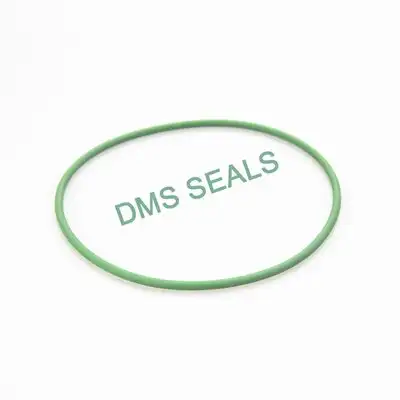
O-ring seals are widely used in industrial machinery, automotive systems, hydraulic equipment, pumps, valves, and countless other applications. Their primary purpose is to prevent liquids or gases from leaking between connected surfaces. Although O-rings are relatively simple in design, choosing the wrong size or material can lead to leakage, equipment damage, and unnecessary maintenance costs.
Finding the right O Ring Seal Supplier involves more than comparing product prices. Buyers need to understand their application requirements, identify suitable sealing materials, and evaluate the supplier’s ability to provide consistent products. This guide explains the main factors to consider when selecting O-ring seals for industrial and commercial use.
Understanding How O-Ring Seals Work
An O-ring is a circular elastomer component designed to create a seal when compressed between two mating surfaces. It is commonly installed in a groove, where its elastic properties help prevent fluid or gas from passing through the connection.
O-rings are used in two primary sealing arrangements:
- Static sealing: The surfaces remain stationary relative to one another. Examples include pipe connections, covers, and flanges.
- Dynamic sealing: One or more surfaces move during operation. Examples include hydraulic cylinders, pumps, and certain pneumatic assemblies.
Understanding the type of sealing arrangement is essential because it influences material selection, compression requirements, surface finish, and dimensional tolerances.
1. Identify Your Application Requirements
Before contacting a supplier, determine the conditions in which the O-ring will operate. A seal suitable for one machine may not perform reliably in another, even if both applications appear similar.
Consider the following factors:
Operating Temperature
Temperature affects the flexibility, hardness, and service life of elastomer materials. Excessive heat can accelerate aging, while very low temperatures may make some compounds less flexible.
Check the normal operating temperature as well as any temporary temperature extremes.
Pressure Conditions
Pressure can affect how an O-ring deforms and maintains contact with sealing surfaces. High-pressure applications may require careful consideration of material hardness, groove design, clearance gaps, and backup rings.
Fluid and Chemical Exposure
The seal must be compatible with the liquid or gas it contacts. Oils, fuels, water, cleaning agents, and industrial chemicals can affect rubber materials in different ways.
Movement and Friction
Dynamic applications involve movement that can increase friction and wear. The selected compound and installation design should be suitable for the expected operating speed and movement.
Providing these details helps a supplier recommend a product based on actual requirements rather than general assumptions.
2. Choose the Right O-Ring Material
Material selection is one of the most important parts of purchasing sealing products. Different elastomers offer different levels of resistance to temperature, chemicals, oils, and environmental exposure.
The following materials are commonly used in O-ring manufacturing.
| Material | Main characteristics | Common applications |
|---|---|---|
| NBR (Nitrile) | Good resistance to many oils and fuels | Hydraulic systems, automotive equipment |
| FKM (Fluorocarbon) | Good heat, oil, and chemical resistance | Industrial machinery, fuel systems |
| EPDM | Good resistance to weathering and many water-based environments | Water systems, HVAC equipment |
| Silicone | Flexible across a broad temperature range | Selected medical, electrical, and industrial uses |
| Neoprene | Balanced weathering and general-purpose resistance | Outdoor and industrial equipment |
No material is suitable for every operating environment. For example, EPDM is commonly used in water-related applications but is generally unsuitable for petroleum-based oils. Similarly, FKM offers useful chemical and temperature resistance but is not compatible with every chemical.
A knowledgeable supplier should be able to explain these limitations and help identify a compound that matches your requirements.
3. Confirm the Correct O-Ring Size
Even a high-quality O-ring may fail if its dimensions do not match the equipment design. Incorrect sizing can result in insufficient compression, excessive stretching, installation difficulties, or premature wear.
The three main dimensions to check are:
- Inner diameter (ID): The diameter of the opening inside the O-ring.
- Outer diameter (OD): The overall diameter measured across the outside.
- Cross-section (CS): The thickness of the O-ring material.
For a circular O-ring, the approximate relationship between these measurements is:
[
OD = ID + 2(CS)
]
This relationship is useful for checking dimensions, but actual product selection should follow the relevant drawing, standard, and dimensional tolerances.
Buyers may choose standard sizes or request custom dimensions when existing products do not match their equipment. Providing a technical drawing or accurate measurements can help prevent ordering errors.
4. Understand O-Ring Quality and Manufacturing Standards
Product quality directly affects sealing performance and reliability. A supplier should source or manufacture O-rings that meet the agreed specifications and maintain consistent quality between batches.
Important quality considerations include:
Dimensional Accuracy
O-rings should meet the required diameter and cross-sectional tolerances. Consistent dimensions help ensure proper installation and compression.
Material Consistency
Rubber compounds should have predictable physical properties. Variations in hardness, elasticity, or chemical resistance may affect product performance.
Surface Finish
Finished O-rings should be free from defects that could interfere with sealing. Common issues include cuts, cracks, excessive flash, voids, and surface contamination.
Testing and Inspection
Depending on the application, relevant checks may include dimensional inspection, hardness measurement, tensile testing, compression set evaluation, and material verification.
Ask suppliers which tests they perform and whether they can provide inspection reports or material documentation. If a particular industry standard or certification is required, confirm that the supplier can demonstrate compliance with the exact requirement.
5. Evaluate Standard and Custom O-Ring Options
Standard O-rings are suitable for many common applications and are often easier to source. However, specialized equipment may require a product with unique dimensions, material properties, or design characteristics.
A supplier with custom manufacturing capabilities can help address these requirements.
Custom options may include:
- Non-standard inner diameters and cross-sections.
- Specialized rubber compounds.
- Different hardness specifications.
- Custom colors for identification.
- Application-specific tolerances.
- Samples and prototypes for testing.
When discussing a custom order, provide detailed operating conditions and technical drawings. It is also advisable to approve samples before moving to full production, particularly when the seals will be used in critical equipment.
6. Compare Suppliers Beyond Product Pricing
Price is an important purchasing consideration, but it should not be the only factor used to select an O-ring supplier.
A low-cost product may create additional expenses if it has inconsistent dimensions, unsuitable material properties, or a short service life. Repeated replacements can increase labor costs, equipment downtime, and maintenance requirements.
A more complete supplier comparison should consider:
- Product quality and material options.
- Standard and custom manufacturing capabilities.
- Quality inspection procedures.
- Minimum order quantities.
- Production lead times.
- Delivery reliability.
- Technical assistance.
- Documentation and traceability.
Comparing quotations against identical product specifications makes it easier to understand the actual value offered by each supplier.
7. Consider Supply Capacity and Product Availability
For businesses that use O-rings regularly, dependable product availability is essential. Delayed deliveries can interrupt production, postpone maintenance, and affect customer commitments.
Before placing an order, discuss the supplier’s stock availability, production capacity, and standard lead times. If your business requires recurring quantities, ask whether scheduled orders or planned deliveries can be arranged.
It is also useful to understand how the supplier manages changes in demand. A dependable partner should communicate realistic delivery expectations and provide updates if production or shipping schedules change.
8. Questions to Ask Before Choosing an O-Ring Supplier
A few practical questions can help determine whether a supplier is suitable for your requirements.
- Which O-ring materials and standard sizes are available?
- Can you provide custom dimensions based on technical drawings?
- How do you verify material quality and product dimensions?
- What testing and inspection documentation can you provide?
- Are samples available before bulk orders?
- What are your minimum order quantities and delivery times?
- Can you support repeat orders with consistent specifications?
- Do you have experience with applications similar to ours?
The answers can help purchasing teams assess both technical capabilities and the supplier’s approach to customer support.
9. Common Mistakes to Avoid When Buying O-Ring Seals
Some purchasing problems occur because important technical details are overlooked. Avoiding the following mistakes can make the selection process more effective.
Choosing by price alone: A low purchase price does not guarantee suitable material quality or long-term performance.
Ignoring chemical compatibility: A rubber compound that works well with one fluid may deteriorate when exposed to another.
Using incorrect measurements: Small dimensional errors can affect compression and sealing performance.
Overlooking operating conditions: Temperature, pressure, and movement should all be considered before selecting a product.
Failing to check product quality: Samples, inspection reports, and material documentation can help verify whether products meet specifications.
Not planning for repeat orders: Businesses with regular consumption should consider supplier capacity and delivery reliability from the beginning.
Conclusion
Choosing the right O-ring seals requires a clear understanding of application conditions, material properties, dimensions, and product quality. The most suitable supplier should offer more than a wide product range. It should also provide accurate specifications, dependable quality control, appropriate customization options, and reliable delivery support.
By evaluating these factors before making a purchasing decision, businesses can reduce the risk of seal failure, control maintenance costs, and improve equipment reliability. A well-informed supplier choice is an important step toward maintaining efficient and dependable industrial operations.


