Industrial equipment depends on reliable fluid connections to maintain consistent performance and minimize operational interruptions. Hydraulic machinery, pneumatic systems, manufacturing equipment, and mobile applications often require hoses, tools, and accessories to be connected or disconnected during routine servicing. When these tasks involve complicated connection procedures, maintenance teams may spend unnecessary time handling fittings instead of completing essential repairs. Efficient connection solutions can make a meaningful difference in equipment availability and maintenance productivity.
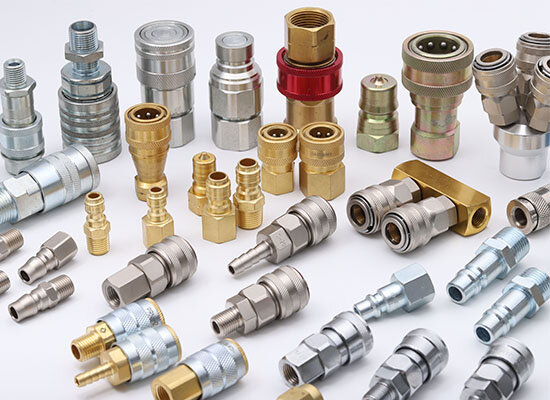
A Quick Release Coupling provides a convenient way to connect and separate compatible fluid lines without repeatedly dismantling conventional fittings. Its practical design helps simplify equipment changes, improve access during servicing, and support controlled fluid transfer. By understanding how these components work and where they provide the greatest value, businesses can make better decisions about maintaining efficient fluid systems.
1. Faster Connection and Disconnection
One of the primary advantages of quick release couplings is the time saved during routine equipment handling. Traditional threaded connections may require tools and additional manual effort to assemble or remove. Quick release designs use dedicated locking mechanisms that allow compatible components to engage and separate more conveniently.
Depending on the coupling type, the connection may use a sliding sleeve, push-to-connect mechanism, or threaded locking arrangement.
This can help maintenance teams:
- Connect compatible hoses and accessories more quickly.
- Reduce time spent on routine equipment changes.
- Simplify the replacement of hydraulic or pneumatic lines.
- Improve workflow during scheduled maintenance.
- Minimize unnecessary handling of surrounding components.
Operators must still confirm that the coupling is fully engaged before the equipment is returned to service.
2. Easier Access for Equipment Maintenance
Maintenance work often requires technicians to reach specific components within complex machinery. When hoses and accessories are difficult to disconnect, accessing the equipment can become unnecessarily time-consuming.
Quick release couplings make it easier to separate selected fluid lines when inspection or repair is required. This can reduce the need to dismantle larger assemblies and help technicians focus on the component that needs attention.
Common maintenance tasks that benefit include:
- Replacing damaged hoses.
- Inspecting valves and connection points.
- Cleaning equipment during scheduled servicing.
- Changing compatible attachments.
- Repairing or replacing connected accessories.
This flexibility is particularly useful in production facilities and mobile equipment where maintenance access can be limited.
3. Reduced Downtime During Equipment Changes
Unplanned downtime can affect production schedules, equipment availability, and operating costs. Even routine maintenance can create delays when connection procedures are complicated or require extensive disassembly.
Quick release couplings help reduce the time involved in separating and reconnecting compatible fluid lines. This can make attachment changes and component replacement more efficient, particularly when connections are handled frequently.
For example, construction machinery may need different hydraulic attachments throughout the working day. A suitable quick release system can make these changes more convenient while reducing unnecessary interruptions.
The overall time saved depends on equipment configuration, coupling design, operator training, and maintenance procedures.
4. Improved Fluid Control During Disconnection
Fluid loss during maintenance can create additional cleaning work, waste materials, and introduce workplace hazards. In hydraulic systems, unwanted leakage may also contribute to environmental contamination.
Many quick release couplings incorporate internal valves that help control fluid flow when the connection halves are separated. Depending on the design, these mechanisms can reduce fluid spillage and help prevent unwanted material from entering the fluid circuit.
For better fluid control:
- Select a coupling with suitable valve and sealing features.
- Confirm compatibility with the working fluid.
- Clean mating surfaces before reconnection.
- Inspect seals regularly for wear or damage.
- Use protective caps and plugs when lines are disconnected.
The amount of fluid retained or released varies by coupling design and operating conditions.
5. Support for Different Industrial Applications
Quick release couplings are available in various configurations, sizes, and materials, making them useful across multiple sectors.
Hydraulic Equipment
Construction vehicles, agricultural machinery, lifting systems, and industrial power units use hydraulic connections that may need frequent servicing or attachment changes.
Pneumatic Systems
Compressed-air installations use quick connection components to simplify the attachment of tools, hoses, and accessories. Correct pressure ratings and connection compatibility remain essential.
Manufacturing Facilities
Production machinery may require regular adjustments, component replacement, and maintenance access. Convenient connection systems can help reduce disruption during these activities.
Automotive and Mobile Equipment
Service equipment and mobile machinery benefit from connections that allow technicians to replace compatible components without extensive dismantling.
Fluid Transfer Installations
Certain quick release designs are suitable for water, oils, coolants, and other fluids when their materials, seals, and pressure ratings match the application.
6. Reduced Maintenance Effort and Labor Requirements
Maintenance teams often manage multiple machines and connection points. When each connection requires time-consuming handling, small tasks can accumulate into significant labor demands.
Quick release couplings can make routine work more manageable by reducing the effort required to separate and reconnect compatible components.
Potential benefits include:
- Less time spent on repeated connection tasks.
- Easier access to selected equipment sections.
- More efficient replacement of compatible accessories.
- Reduced need for unnecessary disassembly.
- Better organization of routine maintenance activities.
These advantages are most effective when couplings are correctly selected and personnel follow consistent servicing procedures.
7. Choosing the Right Coupling for Reliable Performance
Not every quick release coupling is appropriate for every system. The product must meet the equipment’s technical requirements and operating conditions.
Pressure Rating
Check the maximum allowable working pressure and ensure the coupling can handle normal operating conditions and expected pressure surges.
Flow Capacity
The internal passage affects how much fluid can move through the connection. Choose a model that supports the required flow rate without excessive pressure drop.
Material Construction
Steel, stainless steel, brass, and other materials offer different levels of strength and corrosion resistance. Select a material suitable for the working environment.
Seal Compatibility
Seals must withstand the fluid composition and operating temperature. Incompatible materials can deteriorate and cause leakage.
Locking Mechanism
Consider whether the locking design is suitable for the frequency of connection changes, vibration exposure, and mechanical conditions.
Connection Profile
Verify the coupling profile, thread specifications, and dimensions before connecting it to existing equipment. Similar-looking products are not necessarily interchangeable.
8. Best Practices for Safe Installation and Disconnection
Correct handling is essential for maintaining coupling performance and protecting maintenance personnel. Even a high-quality product can create problems if connected incorrectly or separated under unsuitable conditions.
Follow these practices:
- Confirm that the mating halves are compatible.
- Inspect the coupling surfaces and seals before use.
- Remove dirt and debris before making a connection.
- Engage the locking mechanism fully.
- Check the connection according to manufacturer instructions.
- Relieve trapped pressure where required before disconnection.
- Cover exposed coupling halves when they are not in use.
Never force a connection that does not engage properly. For high-pressure hydraulic systems, always follow approved isolation and pressure-relief procedures.
9. Maintenance Checks That Extend Service Life
Quick release couplings still require periodic inspection to ensure their components remain in good condition. Repeated use, contamination, vibration, and environmental exposure can gradually affect seals and locking mechanisms.
A regular maintenance checklist should include:
- Inspecting the coupling body for cracks, corrosion, and deformation.
- Checking seals for cuts, swelling, and deterioration.
- Examining locking sleeves and other moving components.
- Looking for signs of fluid leakage.
- Cleaning connection surfaces before assembly.
- Replacing damaged components according to manufacturer recommendations.
Prompt attention to worn parts helps prevent small connection problems from becoming larger equipment issues.
10. How Quick Release Couplings Contribute to Operational Efficiency
The value of a quick release system extends beyond the connection itself. By making equipment changes and maintenance tasks more convenient, these components can support more efficient use of labor and machinery.
Businesses may benefit from shorter servicing procedures, fewer interruptions during attachment changes, and improved access to individual system components. Reduced fluid spillage can also limit cleaning requirements in applications where leakage control is important.
However, these results depend on choosing couplings that match the application and maintaining them according to the manufacturer’s recommendations.
Conclusion
Quick release couplings simplify equipment maintenance by making compatible fluid connections easier to separate, inspect, and reconnect. Their practical design can reduce connection time, improve maintenance access, and support more efficient equipment changes across hydraulic, pneumatic, manufacturing, and mobile applications.
To achieve reliable results, businesses should evaluate pressure capacity, flow requirements, material construction, seal compatibility, and locking mechanisms before selecting a product. Combined with proper installation, safe disconnection procedures, and regular inspection, suitable quick release couplings can help reduce connection downtime and maintain dependable equipment performance.