
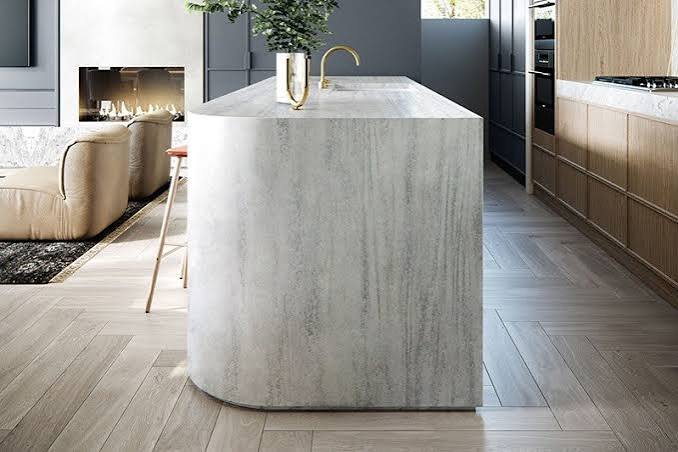
Kitchen countertops are among the most frequently used surfaces in a home. They provide space for food preparation, cooking activities, small appliances, and everyday household tasks. Because they combine practical responsibilities with a strong visual presence, selecting the right countertop material is an important part of kitchen planning.
Modern homeowners increasingly look for surfaces that balance appearance, usability, and manageable maintenance. Solid surface materials offer design flexibility and can be fabricated into different shapes and configurations, making them an option for contemporary kitchens. Understanding how KKR Solid Surface materials can contribute to kitchen countertop design helps homeowners, architects, and contractors evaluate their potential benefits and limitations.
1. Understanding Solid Surface Kitchen Countertops
Solid surface countertops are manufactured materials generally made from mineral fillers, resin-based binders, pigments, and other formulation components. Their composition can vary between products, influencing their appearance, fabrication properties, and technical performance.
Unlike natural stone, which has patterns formed through geological processes, solid surface materials can offer more controlled color and pattern options.
They are commonly considered for kitchen countertops because they can support customized dimensions, different edge profiles, and various design configurations. The suitability of a particular product depends on its technical specifications and the intended kitchen environment.
2. Creating a Modern Kitchen Appearance
A countertop occupies a significant portion of the visible kitchen workspace. Its color, texture, and shape can influence the overall character of the room.
Solid surface materials offer several possibilities for creating a modern appearance.
Clean and Minimalist Designs
Contemporary kitchens often feature simple shapes, uncluttered surfaces, and coordinated colors. Solid surface countertops can complement this approach through their smooth appearance and availability in different shades.
White, gray, beige, and other neutral colors can help create a balanced visual environment.
Coordinated Kitchen Elements
A countertop should work with cabinets, flooring, backsplashes, and appliances.
Choosing complementary colors and finishes can make the kitchen feel more cohesive. For example, a light countertop may contrast with dark cabinetry, while a warm neutral surface can complement natural wood finishes.
Customized Shapes
Depending on the material and fabrication process, solid surface countertops may be shaped to suit specific layouts.
This flexibility can be useful for kitchens with unusual dimensions, extended work areas, or customized island designs.
3. Design Flexibility and Customization
One of the important considerations when selecting a kitchen countertop is whether the material can accommodate the project’s design requirements.
Solid surface products can offer different customization possibilities, depending on the manufacturer’s capabilities and product specifications.
Customized Dimensions
Kitchens vary considerably in size and layout. Countertops may need to fit straight walls, corners, islands, or narrow preparation areas.
Accurate measurements and suitable fabrication planning help ensure that the finished surface fits the available space.
Different Edge Profiles
Countertop edges influence both appearance and usability.
Depending on the product and fabrication method, options may include straight, rounded, or other shaped edges. The selected profile should suit the kitchen’s design and practical requirements.
Integrated-Looking Components
Some solid surface installations can incorporate coordinated sinks or basins into the overall countertop design.
This approach can create a visually continuous appearance, although the final result depends on the product, fabrication technique, and joint quality.
4. Smooth Surfaces and Everyday Cleaning
Kitchen countertops regularly come into contact with food ingredients, cooking oils, water, and other household substances. Their cleaning requirements should therefore be considered before purchase.
Many solid surface products have smooth, relatively nonporous characteristics, depending on their formulation and finish. These properties can support routine cleaning when the surface is maintained according to the manufacturer’s instructions.
Simple Daily Cleaning
For ordinary maintenance, homeowners can generally use a soft cloth and a suitable mild cleaning solution approved for the specific material.
Removing food residue and spills promptly helps maintain the countertop’s appearance.
Managing Food and Liquid Spills
Common kitchen spills include coffee, sauces, oils, and fruit juices.
Cleaning these substances soon after they occur can reduce the likelihood of persistent marks. Buyers should consult product-specific guidance for removing difficult stains.
Avoiding Unsuitable Cleaning Products
Strong chemicals, abrasive pads, and unapproved cleaning agents may damage or alter certain surface finishes.
Following the manufacturer’s care instructions is important for preserving the countertop’s appearance.
5. Supporting a Hygienic Kitchen Environment
Cleanliness is especially important in food preparation areas. Countertop materials should be easy to maintain and suitable for regular cleaning.
Solid surface products with smooth finishes can help reduce the accumulation of food residue in surface irregularities. Some installations may also use carefully fabricated joints to create a more continuous appearance.
However, no countertop material should be considered automatically germ-free or maintenance-free.
Good kitchen hygiene still requires regular cleaning, proper food handling, and attention to areas around sinks, joints, and backsplashes.
Homeowners should also confirm that the cleaning products they use are compatible with the selected surface.
6. Moisture Resistance and Kitchen Applications
Kitchen countertops frequently encounter water from sinks, wet utensils, food preparation, and cleaning activities.
The moisture-related performance of a solid surface product depends on its composition, fabrication, and installation quality.
Everyday Water Exposure
Suitable solid surface products can be considered for kitchen environments where occasional water contact is expected.
However, buyers should review the manufacturer’s technical documentation to understand the product’s specific moisture-related properties.
Sink and Faucet Areas
The areas around sinks and faucets require particular attention because they experience repeated water exposure.
Proper sealing, joint fabrication, and installation help reduce the risk of water reaching vulnerable areas.
Installation Quality
Even a suitable countertop material can experience problems if it is poorly installed.
Professional fabrication and installation help ensure that edges, joints, cutouts, and connections are handled correctly.
7. Color and Finish Choices for Different Kitchen Styles
Color and finish selection can transform the appearance of a kitchen.
Solid surface materials may be available in different shades and decorative styles, depending on the collection.
White and Light-Colored Countertops
White and light-colored surfaces are frequently used in minimalist kitchens.
They can help create a bright appearance and coordinate with different cabinet colors.
Gray and Dark Shades
Gray and darker surfaces can create contrast in kitchens with light cabinetry.
They may also complement stainless steel appliances and modern fixtures.
Natural-Inspired Patterns
Some collections offer patterns inspired by stone or mineral textures.
These designs can introduce visual variation without requiring the use of natural stone.
Matte and Polished Finishes
Matte finishes provide a subdued appearance, while polished finishes create greater light reflection.
The choice should consider the kitchen’s lighting, design style, cleaning requirements, and expected daily use.
8. Fabrication Flexibility for Kitchen Islands
Kitchen islands are popular features in many modern layouts. They can provide additional preparation space, storage, and seating.
A countertop material that supports customized fabrication can help designers create island surfaces suited to different layouts.
Large Preparation Areas
An island can serve as a central workspace for food preparation and other kitchen activities.
The countertop dimensions should be planned around the available floor space and required circulation areas.
Waterfall-Style Designs
Some contemporary kitchens use waterfall edges, where the countertop material extends down the sides of an island.
Whether this design is suitable depends on material dimensions, fabrication capabilities, and installation requirements.
Seating and Dining Areas
An island may include an extended countertop section for casual dining.
Designers should consider the required overhang, support structure, and safety requirements when planning this feature.
9. Comparing Solid Surface with Other Countertop Materials
Different countertop materials offer different combinations of appearance, performance, maintenance, and cost.
Understanding these differences can help buyers make a more informed decision.
Solid Surface vs. Natural Stone
Natural stone offers distinctive patterns and geological variations. Solid surface materials can provide more controlled color options and may support different customized shapes.
Their fabrication and repair requirements also differ, so buyers should compare the technical information for each product.
Solid Surface vs. Quartz Surfaces
Engineered quartz products typically contain a high proportion of mineral material combined with binding components. Solid surface products use different formulations and may offer different fabrication characteristics.
The better choice depends on the desired appearance, heat exposure, maintenance expectations, and technical specifications.
Solid Surface vs. Laminate
Laminate countertops are often selected for their broad decorative options and cost considerations.
Solid surface materials may provide different fabrication and design possibilities, but the price and performance should be evaluated for the specific product.
Solid Surface vs. Ceramic
Ceramic surfaces can offer high resistance to heat and scratching, depending on the product.
Solid surface materials may offer greater flexibility for certain customized shapes and integrated-looking designs. Their resistance to heat and scratching should be checked against the manufacturer’s documentation.
10. Heat and Scratch Protection in Daily Kitchen Use
Kitchen countertops are exposed to hot cookware, utensils, cutting tools, and appliances.
Although some solid surface products are designed for everyday use, their resistance to heat and scratches varies by formulation and thickness.
Protecting Against Hot Cookware
Homeowners should avoid placing hot pots and pans directly on the countertop unless the manufacturer specifically confirms that this is acceptable.
Using trivets or heat-resistant mats is a practical way to reduce the risk of heat damage.
Preventing Cutting Marks
Cutting directly on a countertop can leave marks or damage the finish.
Using a suitable cutting board helps protect the surface and provides a safer preparation area.
Managing Minor Surface Damage
Certain solid surface products may allow professional refinishing or repair of minor surface imperfections.
However, repair methods depend on the material and the severity of the damage. Homeowners should follow manufacturer recommendations rather than attempting unsuitable repairs.
11. Improving Kitchen Functionality Through Smart Layout Planning
A functional kitchen depends on more than the countertop material. Its dimensions and placement should support the way people prepare food, clean, and move around the space.
Preparation Zones
The countertop should provide sufficient room for cutting, mixing, and arranging ingredients.
Planning dedicated preparation areas can make everyday tasks more convenient.
Sink Placement
The relationship between the sink and countertop affects cleaning and food preparation.
Designers should consider the location of the faucet, drainage, storage, and surrounding work areas.
Appliance Integration
Small appliances such as coffee makers, mixers, and toasters require accessible countertop space.
Planning their positions can help prevent clutter and maintain a practical workflow.
Storage Coordination
Countertops should work with the kitchen’s cabinets and drawers.
Proper planning helps maintain accessible workspaces while providing sufficient storage for cookware and utensils.
12. The Importance of Professional Installation
Correct installation is essential for achieving a durable and visually consistent countertop.
Even a high-quality material may not perform as expected if measurements, fabrication, or installation are inadequate.
Accurate Measurements
Installers should measure the kitchen layout carefully, including corners, wall variations, sink openings, and appliance cutouts.
Proper Joint Preparation
Where multiple countertop sections are required, joint preparation and finishing are important for appearance and stability.
Suitable Support Structures
Countertops need appropriate support based on their dimensions, thickness, material properties, and layout.
Islands and extended overhangs may require additional structural planning.
Final Inspection
Before the kitchen is put into regular use, installers should check the surface, edges, joints, cutouts, and connections.
This helps identify installation issues early.
13. Cost Considerations When Choosing Solid Surface Countertops
The total cost of a countertop project depends on several factors.
Material price is only one part of the overall budget. Fabrication, transportation, installation, and customized features can also influence the final expense.
Important cost factors include:
- Material selection: Different colors, patterns, and product specifications may have different prices.
- Countertop dimensions: Larger surfaces generally require more material.
- Thickness: The selected thickness can affect material usage and fabrication costs.
- Edge design: Customized edge profiles may require additional labor.
- Cutouts: Sink, faucet, and appliance openings can add fabrication work.
- Installation complexity: Irregular layouts and large islands may require more planning and labor.
- Transportation: Packaging and delivery requirements can influence project costs.
Requesting a detailed quotation can help buyers understand what is included and compare suppliers more effectively.
14. Selecting the Right Solid Surface Supplier
The supplier plays an important role in the success of a kitchen countertop project.
Buyers should evaluate more than the product’s appearance when choosing where to source materials.
Product Range
Review the available colors, patterns, finishes, dimensions, and thickness options.
A suitable range makes it easier to coordinate the countertop with the kitchen’s overall design.
Technical Documentation
Ask for information about composition, recommended applications, cleaning procedures, heat tolerance, and other relevant performance characteristics.
Samples and Color Consistency
Physical samples can help buyers evaluate the material under actual kitchen lighting.
For larger projects, discuss how color consistency is managed across production batches.
Fabrication and Installation Support
Confirm whether the supplier provides fabrication guidance or works with qualified installation professionals.
Clear communication about measurements and technical requirements can reduce project delays.
Delivery and Quality Control
Discuss production schedules, packaging, shipping arrangements, and procedures for handling damaged or inconsistent materials.
These details are particularly important for commercial projects and large residential developments.
15. Long-Term Care for Solid Surface Kitchen Countertops
Regular maintenance helps preserve the appearance and usability of kitchen countertops.
Although specific care instructions vary by product, several general practices can support better surface condition.
- Clean everyday spills promptly.
- Use soft cloths and suitable cleaning products.
- Avoid unapproved abrasive pads and harsh chemicals.
- Use cutting boards instead of cutting directly on the countertop.
- Place hot cookware on suitable protective mats.
- Follow the manufacturer’s instructions for removing stubborn stains.
- Inspect joints and sink areas periodically.
- Arrange professional repairs when damage exceeds routine cleaning or care.
Following product-specific guidance is particularly important because different solid surface formulations may respond differently to heat, chemicals, and abrasion.
Conclusion
Solid surface materials can support modern kitchen countertop designs through their range of colors, finishes, and fabrication possibilities. Their smooth appearance, potential for customized shapes, and compatibility with different kitchen styles make them worth considering for residential and selected commercial projects.
However, choosing the right countertop requires more than focusing on appearance. Buyers should evaluate product specifications, moisture-related performance, heat and scratch limitations, maintenance requirements, fabrication quality, and installation standards. With careful material selection and professional planning, solid surface countertops can contribute to kitchens that are both visually coordinated and practical for everyday use.

