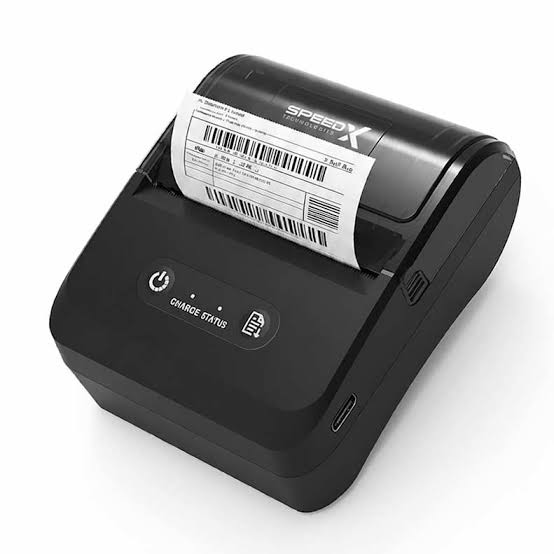
Thermal receipt printing technology continues to evolve as businesses adopt more advanced payment systems, digital management tools, and automated retail processes. Retail stores, restaurants, supermarkets, logistics companies, and service providers increasingly depend on reliable printing equipment to produce transaction records and support daily operations.
Although thermal printing is already widely used because of its speed and relatively simple operation, changing business requirements are influencing the development of new printer features. Modern connectivity, improved energy efficiency, intelligent monitoring, and greater integration with digital systems are among the trends shaping the industry’s future. A Thermal Receipt Printer is becoming more than a device for producing paper receipts, as it increasingly forms part of a connected business environment.
1. Greater Integration With Cloud-Based POS Systems
Cloud-based point-of-sale systems are becoming increasingly important for businesses that want to manage transactions, inventory, and sales information across multiple locations.
Traditional POS installations often depend on locally stored information and individual computer systems. Cloud-based platforms allow authorized users to access business data through connected devices and centralized software.
Thermal receipt printers that support compatible network connections can work alongside these systems to produce transaction records and other documents.
Future developments may focus on improving remote configuration, centralized printer management, and compatibility with cloud-based business applications. These capabilities could help multi-location businesses manage their printing equipment more consistently.
2. Expansion of Wireless Printing Technology
Wireless connectivity has changed how businesses install and use receipt printers. USB and serial connections remain useful, but Bluetooth and Wi-Fi-enabled solutions offer additional flexibility.
Restaurants, delivery services, mobile retailers, and temporary sales locations can benefit from wireless printing because equipment does not always need to remain connected to a fixed workstation.
Future thermal printers are likely to place greater emphasis on reliable wireless communication, easier device pairing, and compatibility with mobile POS applications.
Improvements in wireless management could also make it easier for businesses to connect multiple printers within the same operating environment.
3. Increased Adoption of Mobile Thermal Printers
Mobile commerce and flexible service models are creating demand for portable printing equipment.
Small retailers, delivery workers, field technicians, and outdoor vendors may need to issue receipts away from conventional checkout counters. Portable thermal printers address this requirement through compact designs, rechargeable batteries, and wireless connectivity.
Future developments may include:
- Longer battery operating times.
- Faster wireless connections.
- Smaller and lighter printer designs.
- Improved battery charging efficiency.
- More durable housings for mobile environments.
- Better integration with smartphones and tablets.
These improvements could make mobile receipt printing more convenient for businesses that operate across multiple locations.
4. Smarter Printer Monitoring and Predictive Maintenance
Printer downtime can interrupt checkout operations and create unnecessary delays. As business equipment becomes more connected, monitoring functions are gaining importance.
Modern printers may provide status information such as paper availability, cover position, temperature conditions, and error notifications. This information can help employees identify problems before they significantly affect operations.
Future models may offer more advanced diagnostic features that analyze operating patterns and provide maintenance alerts.
Predictive maintenance could help businesses recognize signs of component wear, schedule servicing, and reduce unexpected equipment interruptions. The effectiveness of these features will depend on sensor capabilities, software integration, and the quality of diagnostic information.
5. Improved Print Speed and Resolution
Printing speed and output quality remain important factors in thermal printer development.
Busy retail counters and restaurant environments need equipment that can produce receipts quickly without compromising readability. Higher printing speeds can help reduce transaction delays, particularly during peak operating periods.
At the same time, businesses increasingly use receipts for more than basic transaction information. Printed documents may include detailed logos, barcodes, QR codes, and other graphics.
Future printer designs may focus on balancing speed and resolution through improved printhead technology, optimized heating control, and more efficient processing systems.
These developments could support clearer output while maintaining reliable performance in high-volume environments.
6. Greater Focus on Energy Efficiency
Energy consumption is becoming an important consideration for businesses evaluating electronic equipment.
Thermal printers use heat to activate the coating on specialized paper. Their power requirements vary according to printing speed, print density, operating conditions, and device design.
Manufacturers may continue improving energy efficiency through optimized printhead components, intelligent power management, and more efficient standby modes.
Portable printers can also benefit from these developments because lower energy consumption may extend battery operating time.
Energy-efficient designs can help businesses manage operating expenses while supporting broader efforts to reduce electricity consumption.
7. Integration With Digital Payment Systems
Digital payments have transformed how customers complete purchases. Contactless cards, mobile wallets, QR-based payments, and other electronic payment methods are now common in many business environments.
Receipt printers increasingly operate alongside payment terminals and POS software that process these transactions.
Future integration may improve the coordination between payment confirmation and receipt generation. This can help businesses provide accurate transaction records while reducing manual steps.
Printers may also support more flexible receipt formats, including payment references, verification codes, and links to digital transaction records.
8. Growth of Hybrid Digital and Printed Receipts
Digital receipts are becoming more common as customers use email, mobile applications, and messaging platforms to store transaction information.
However, paper receipts remain useful for customers who prefer physical records or need printed documentation for returns, expense tracking, and accounting.
This has encouraged interest in hybrid receipt systems that provide both printed and digital options.
A POS system may allow customers to choose between a paper receipt, an electronic receipt, or both. Thermal printers will continue to serve businesses that require physical transaction records while working alongside digital communication channels.
This approach gives businesses greater flexibility without requiring them to eliminate traditional receipts.
9. Wider Use of QR Codes and Advanced Barcode Printing
QR codes and barcodes are used across retail, hospitality, logistics, and payment services. They can provide access to product information, order details, loyalty programs, and digital payment references.
Thermal receipt printers can reproduce these codes when their resolution and paper quality are suitable.
Future developments may improve the accuracy and consistency of code printing, supporting applications that require reliable scanning.
Businesses may also use receipts to connect customers with digital services, such as online feedback forms, product instructions, warranty registration, and membership programs.
For these applications, appropriate code dimensions, print contrast, and testing with scanning devices will remain important.
10. Development of More Sustainable Printing Solutions
Environmental considerations are influencing equipment design and consumable selection across many industries.
Thermal printing relies on specialized paper, so businesses and manufacturers are examining ways to reduce material waste and improve resource efficiency.
Potential developments include more efficient paper usage, recyclable packaging, improved equipment durability, and better waste-management practices.
Paper selection is also important. Businesses should consider thermal paper composition, chemical specifications, supplier information, and applicable environmental standards rather than assuming that all thermal paper has the same environmental characteristics.
The industry may increasingly focus on balancing printing performance with responsible material sourcing and disposal.
11. Improved Durability for Demanding Business Environments
Receipt printers are used in environments with different operating conditions. A printer installed in a quiet office may face different demands from one operating in a busy restaurant kitchen or a high-volume supermarket.
Manufacturers are therefore paying attention to mechanical durability, printhead reliability, and resistance to dust and other environmental factors.
Future designs may feature improved housing materials, more durable cutters, stronger paper-feeding mechanisms, and better protection for internal components.
These improvements could help printers operate more consistently in demanding environments, although businesses will still need to select equipment according to its specified operating conditions.
12. More Flexible Connectivity and Device Compatibility
Businesses use a wide range of computers, tablets, payment terminals, and POS platforms. Compatibility is therefore an important consideration when selecting receipt printing equipment.
Modern thermal printers may support interfaces such as USB, Ethernet, Bluetooth, Wi-Fi, and serial connections, depending on the model.
Future development may focus on simplifying communication between printers and different operating systems or business applications.
Improved driver support, software development kits, and standardized communication protocols could make integration easier for businesses that use mixed technology environments.
However, buyers should continue checking supported operating systems, printer command languages, and POS software requirements before purchasing equipment.
13. Automation in Retail and Hospitality Operations
Automation is changing how businesses manage orders, payments, and customer interactions.
In restaurants, for example, POS systems may automatically send order information to kitchen printers after an employee completes an order. Retail systems can generate receipts when payments are confirmed.
As automation becomes more sophisticated, receipt printers may become more closely integrated with inventory platforms, order-management software, and customer service systems.
This could reduce manual data entry and help businesses coordinate activities across different departments.
Reliable communication between software and printing equipment will remain essential for these automated processes.
14. More Advanced Security and Device Management
Connected printers introduce additional considerations related to network access, device configuration, and software updates.
Businesses that use network-connected printing equipment need to protect their systems from unauthorized access and configuration changes.
Future developments may place greater emphasis on secure device management, controlled access, encrypted communication where supported, and improved firmware update processes.
Organizations should also follow basic security practices, including changing default credentials when applicable, restricting network access, and keeping printer firmware updated according to manufacturer guidance.
These measures can help reduce risks when receipt printers are connected to wider business networks.
15. Greater Customization for Different Industries
Different industries have different receipt requirements. A supermarket may need to print itemized purchases and promotional information, while a restaurant may require order details and payment records.
Manufacturers are responding to these differences through a wider range of printer sizes, printing speeds, connectivity options, and software capabilities.
Future product development may provide more flexible configuration options for specialized applications.
Customization could include receipt layouts, logos, barcode formats, paper sizes, and integration with industry-specific software. This would allow businesses to select equipment that better matches their operational requirements.
16. How Businesses Can Prepare for Future Thermal Printing Technology
Businesses do not need to replace existing equipment every time a new feature becomes available. Instead, they should evaluate technology developments according to their operational needs and long-term plans.
Several practical steps can help businesses prepare:
- Review current transaction volumes and expected business growth.
- Check whether existing printers support required POS software.
- Consider wireless or network connectivity where it offers practical benefits.
- Evaluate print speed and resolution for actual receipt requirements.
- Select compatible thermal paper from reliable suppliers.
- Review maintenance and firmware update procedures.
- Consider mobile printing if employees work outside fixed checkout areas.
- Compare long-term operating costs rather than focusing only on the initial purchase price.
A careful evaluation helps businesses adopt useful improvements without investing in features they do not need.
Conclusion
The future of thermal receipt printing technology will be shaped by greater connectivity, mobile printing, improved performance, energy efficiency, automation, and integration with digital payment systems. These developments are changing the role of receipt printers within modern business operations.
Although printed receipts remain important in many industries, future solutions will increasingly work alongside cloud-based POS platforms, electronic payment services, and digital customer communication tools.
Businesses that understand these trends can make more informed equipment decisions and prepare for changing operational requirements. By focusing on compatibility, reliability, maintenance, and practical features, they can continue using thermal printing technology effectively as business systems evolve.