
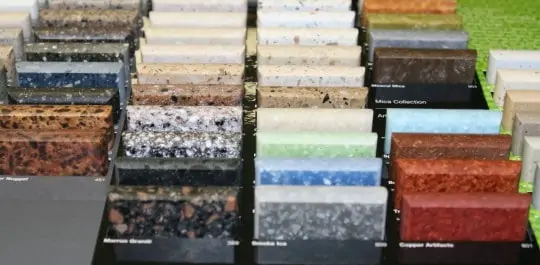
Solid surface materials are widely used in modern architecture and interior design because of their seamless appearance, durability, and design versatility. These materials are commonly applied in kitchen countertops, bathroom vanities, reception desks, wall cladding, and various decorative installations. However, achieving the best performance and appearance from solid surface materials requires proper installation and fabrication practices. Manufacturers provide detailed guidelines to ensure that their products are installed correctly and maintain long-term durability.
Proper installation not only enhances the visual appeal of the finished project but also ensures that the material performs as intended under daily use. Professional fabricators and installers often rely on technical instructions provided by a trusted Solid Surface Manufacturer to handle cutting, shaping, joining, and mounting procedures accurately. Companies such as the Solid Surface Manufacturer provide guidance that helps contractors, fabricators, and designers complete projects efficiently while maintaining high-quality standards.
Table of Contents
TogglePreparing the Work Environment
Before fabrication or installation begins, it is important to prepare a suitable work environment. Solid surface materials should be stored in a clean and dry area to prevent contamination or damage. Sheets and components must be placed on flat and stable surfaces to avoid warping or bending.
The installation site should also be carefully inspected to ensure that cabinets, support structures, and wall surfaces are properly aligned and capable of supporting the weight of the solid surface components. Any structural irregularities should be corrected before installation begins. Maintaining proper working conditions helps ensure accurate fabrication and prevents installation complications later in the process.
Cutting and Shaping Techniques
Solid surface materials can be cut and shaped using woodworking tools such as circular saws, routers, and CNC machines. Manufacturers typically recommend using carbide-tipped blades and cutting tools designed specifically for engineered surfaces. These tools produce clean edges and reduce the risk of chipping or cracking during fabrication.
Accurate measurement is essential before cutting the material. Fabricators should carefully mark cutting lines and verify all dimensions according to the project design. When creating curved shapes or custom designs, specialized routing tools or computer-controlled cutting machines may be used to achieve precise results.
Proper cutting techniques not only improve the final appearance of the material but also ensure that edges and seams fit together correctly during installation.
Seamless Joining Methods
One of the defining features of solid surface materials is their ability to form seamless joints. This allows designers to create large surfaces without visible gaps or connections. To achieve this seamless appearance, manufacturers provide specific adhesive systems designed for solid surface materials.
The joining process typically involves applying color-matched adhesive to the edges of two pieces and pressing them together until the bond is fully cured. Clamps or specialized seam tools are often used to maintain alignment while the adhesive sets. Once the adhesive has hardened, the joint area can be sanded and polished until it blends seamlessly with the surrounding surface.
Following the correct bonding procedures is essential for maintaining both the strength and visual consistency of the installation.
Thermoforming and Curved Designs
Solid surface materials can be heated and shaped through a process known as thermoforming. This technique allows fabricators to create curved countertops, rounded edges, integrated sinks, and other unique design features. Thermoforming requires controlled heating to make the material flexible without damaging its structure.
Manufacturers provide specific temperature ranges and heating times to ensure safe and effective shaping. Once the material becomes flexible, it can be placed in a mold or form to achieve the desired shape. After cooling, the material retains its new form while maintaining its original strength.
Thermoforming expands the design possibilities of solid surface materials, allowing architects and designers to create innovative interior elements.
Surface Finishing and Polishing
After installation and fabrication are complete, the surface must be properly finished to achieve the desired appearance. Solid surface materials can be finished in different textures, including matte, satin, or high-gloss finishes. The finishing process typically involves progressive sanding with increasingly fine abrasive materials.
Polishing the surface removes minor scratches and ensures a uniform texture across the entire installation. Professional finishing techniques enhance both the aesthetic quality and durability of the material. Proper surface finishing also helps maintain the non-porous properties that make solid surface materials easy to clean and maintain.
Safety Considerations During Fabrication
Safety is an important aspect of working with solid surface materials. Fabrication processes such as cutting, sanding, and routing can generate dust and debris. Installers and fabricators should wear appropriate protective equipment, including safety glasses, dust masks, and gloves.
Work areas should be well ventilated, and dust extraction systems should be used whenever possible. Proper safety practices help protect workers while ensuring a clean and controlled fabrication environment.
Maintenance Recommendations After Installation
Manufacturers also provide maintenance guidelines to ensure that installed surfaces remain in good condition over time. Solid surface materials are relatively easy to maintain, requiring regular cleaning with mild household cleaners and soft cloths.
Minor scratches can often be repaired through light sanding or polishing, restoring the original appearance of the surface. Avoiding harsh chemicals and excessive heat exposure helps extend the lifespan of the installation.
Conclusion
Proper installation and fabrication are essential for achieving the full benefits of solid surface materials. By following manufacturer guidelines, fabricators and installers can ensure that the material performs reliably while maintaining its aesthetic appeal. From accurate cutting and seamless joining to thermoforming and surface finishing, each step in the process contributes to the quality of the final installation.
As solid surface materials continue to play an important role in modern design, adherence to professional fabrication and installation practices will remain crucial for delivering durable and visually appealing results in both residential and commercial projects.

