

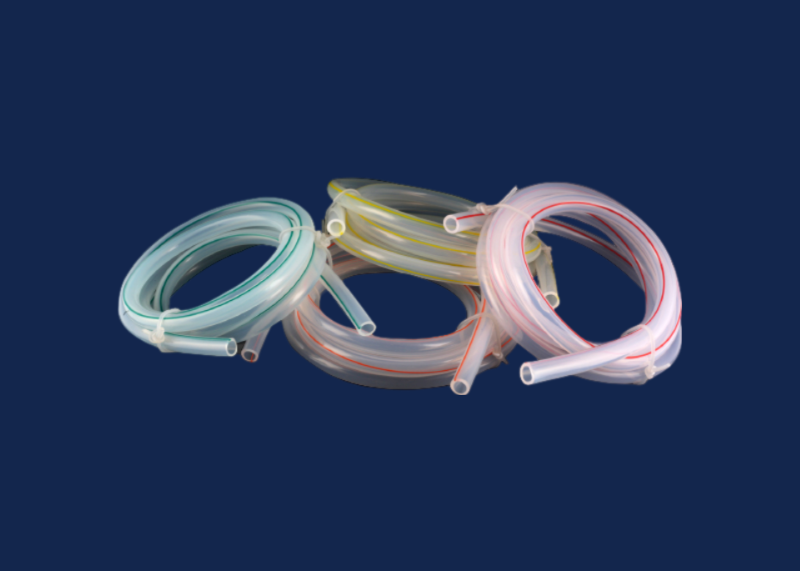
In modern healthcare, the materials used in medical devices play a crucial role in ensuring patient safety, efficiency, and reliability. Tubing is one of the most widely used components in medical equipment, from intravenous lines and catheters to respiratory systems and laboratory apparatus. Traditionally, materials such as PVC, rubber, and polyurethane have been used for medical tubing. However, the increasing demand for safer, more durable, and versatile solutions has led to the widespread adoption of medical silicone tubes.
Medical silicone tubes are preferred in many healthcare applications due to their superior biocompatibility, flexibility, and durability. Unlike traditional tubing materials, silicone can safely interact with biological fluids and tissues without causing irritation or adverse reactions. In many medical setups, Medical Silicone Tube has become the material of choice because it can withstand repeated sterilization, maintain consistent performance, and resist chemical degradation, ensuring patient safety and device reliability in critical environments.
Table of Contents
ToggleBiocompatibility and Patient Safety
One of the main advantages of silicone tubing over traditional materials is its biocompatibility. PVC and rubber tubing often contain plasticizers or additives that can leach into fluids and potentially cause reactions in patients. In contrast, medical silicone tubing is chemically inert and non-toxic, making it suitable for prolonged contact with sensitive tissues, blood, and medications.
Silicone’s biocompatibility is particularly important in applications like catheters, feeding tubes, and implantable devices. Its smooth, non-porous surface reduces the risk of microbial growth and biofilm formation, which helps prevent infections during clinical procedures. Traditional tubing materials, such as PVC or latex, may not offer the same level of sterility and can degrade over time, increasing the risk of contamination.
Flexibility and Mechanical Performance
Flexibility is another area where medical silicone tubing outperforms traditional materials. Silicone maintains its elasticity over a wide range of temperatures, allowing it to bend, twist, or compress without kinking or collapsing. This property is crucial for devices that require maneuverability, such as infusion lines, ventilators, and minimally invasive surgical equipment.
Traditional tubing materials, like PVC and rigid rubber, may become stiff over time, particularly when exposed to sterilization processes or fluctuating temperatures. This rigidity can restrict fluid flow, make installation difficult, and reduce overall device performance. In contrast, silicone tubing provides consistent mechanical performance, even after repeated use, contributing to safer and more reliable medical operations.
Chemical and Temperature Resistance
Medical silicone tubes offer exceptional resistance to chemical exposure and temperature variations, making them highly versatile in healthcare applications. They can withstand repeated autoclaving, gamma radiation, and chemical sterilization without losing their structure or flexibility. This durability ensures that silicone tubing can be reused safely in multiple procedures, providing both cost-effectiveness and environmental benefits.
Traditional materials, particularly PVC and some rubber types, are more susceptible to degradation when exposed to harsh sterilization methods or chemical agents. PVC tubing may harden, crack, or release harmful substances under repeated sterilization, limiting its longevity and suitability for high-demand applications. Silicone’s resistance to both heat and chemicals allows it to maintain its performance over extended periods, supporting consistent and safe medical practices.
Transparency and Monitoring
Silicone tubing is often transparent, providing an additional advantage over traditional opaque materials. Clear silicone tubes allow medical professionals to monitor fluid flow, detect air bubbles, and observe the condition of the transported fluids in real time. This feature is particularly important in intravenous therapy, dialysis, and laboratory procedures, where precise monitoring is critical to patient safety and accurate results.
PVC and rubber tubing can also be transparent, but they may discolor over time or develop micro-cracks that obscure visibility. Silicone’s stability and clarity ensure that medical staff can rely on visual monitoring without concerns about material degradation or contamination.
Customization and Specialized Applications
Medical silicone tubes can be easily customized for specific applications, including variations in diameter, wall thickness, and length. Multi-lumen silicone tubes allow multiple fluids or gases to be delivered simultaneously, while color-coded tubing simplifies identification and reduces the risk of errors in complex clinical setups.
While traditional materials can be customized to some extent, they often lack the same flexibility, durability, and biocompatibility that make silicone tubing suitable for sensitive and high-performance medical applications. For specialized equipment, such as implantable devices or neonatal care systems, silicone tubing is the superior choice due to its combination of safety, adaptability, and long-term reliability.
Conclusion
Medical silicone tubing offers significant advantages over traditional materials like PVC, rubber, and polyurethane in healthcare applications. Its biocompatibility, flexibility, chemical and temperature resistance, transparency, and adaptability make it ideal for use in critical medical devices. Traditional tubing materials may still be suitable for basic applications, but for procedures requiring high reliability, patient safety, and long-term durability, medical silicone tubes are clearly the preferred solution. By choosing silicone tubing, healthcare providers can ensure safer, more efficient, and more effective medical care across surgical, diagnostic, and laboratory settings.