

Accurate weather data is essential for agriculture, environmental monitoring, disaster management, renewable energy planning, and urban development. Reliable information about temperature, humidity, wind, rainfall, and solar radiation helps researchers, farmers, and policymakers make informed decisions and prepare for extreme conditions. High-quality weather sensors play a critical role in achieving this accuracy, as their design, calibration, and durability directly impact the reliability of collected data.
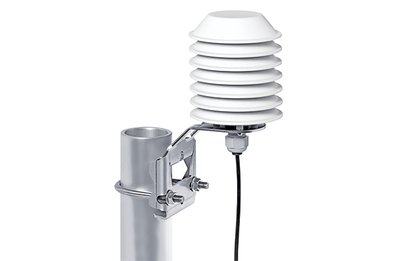
Modern weather monitoring systems use advanced Weather Station Sensors to capture precise environmental data. These sensors are engineered to deliver consistent readings, even in challenging conditions, ensuring that the information collected can be trusted for analysis and forecasting. By combining high-quality sensor technology with sophisticated data processing systems, organizations can improve the accuracy of their weather models and operational planning.
Table of Contents
ToggleKey Features of High-Quality Weather Sensors
High-quality weather sensors are designed to offer precision, reliability, and long-term stability. Temperature sensors often use thermistors or resistance temperature detectors (RTDs), which provide accurate readings with minimal lag. Humidity sensors, typically capacitive or resistive, detect subtle changes in water vapor in the air, enabling precise measurement of relative humidity. Together, these sensors form the foundation for accurate weather monitoring.
Wind speed and direction sensors, such as ultrasonic anemometers or cup-and-vane anemometers, are engineered to operate reliably in high winds and turbulent conditions. Rain gauges and precipitation sensors are designed to capture even small amounts of rainfall, while solar radiation sensors measure sunlight intensity with high resolution. The combination of these sensors ensures that all critical weather parameters are accurately monitored, providing a complete picture of environmental conditions.
Benefits of High-Quality Sensors in Forecasting
Accurate weather data is essential for forecasting and predictive analytics. High-quality sensors reduce measurement errors, enabling meteorologists to generate more reliable short-term and long-term forecasts. For instance, precise temperature and humidity readings help predict heatwaves, frost events, and rainfall patterns. Wind data improves storm tracking and enhances predictions for renewable energy generation.
Reliable rainfall and solar radiation measurements are crucial for agricultural planning. Farmers can adjust irrigation schedules, apply fertilizers efficiently, and take preventative measures against crop damage based on accurate environmental data. The enhanced accuracy provided by high-quality sensors minimizes resource waste and maximizes operational efficiency, supporting sustainable practices across industries.
Durability and Long-Term Performance
High-quality weather sensors are built to withstand harsh environmental conditions, including extreme temperatures, heavy rain, strong winds, and prolonged sun exposure. Durable materials such as UV-resistant plastics, corrosion-resistant metals, and protective housings ensure long-term performance and reduce maintenance requirements.
Sensors designed for durability can be deployed in remote or challenging locations, where frequent maintenance is impractical. Long-term stability ensures that data collected over months or years remains consistent, which is critical for climate research, environmental monitoring, and infrastructure planning.
Integration with IoT and Remote Monitoring
Modern weather stations often integrate high-quality sensors with IoT platforms and wireless communication systems. This integration allows for real-time data transmission to cloud-based dashboards, enabling remote monitoring and immediate access to environmental information. Automated systems can respond to changes in weather conditions, such as adjusting irrigation schedules, activating frost protection, or optimizing wind turbine performance.
Remote monitoring also enhances operational efficiency by reducing the need for frequent site visits. In agriculture, urban management, and renewable energy sectors, real-time access to accurate weather data allows for proactive decision-making and better resource allocation.
Calibration and Maintenance
Even high-quality sensors require periodic calibration to maintain accuracy over time. Calibration ensures that sensors respond correctly to environmental changes and compensates for any drift caused by long-term use or extreme conditions. Regular maintenance, such as cleaning sensor surfaces and inspecting moving parts, further enhances reliability and extends the lifespan of weather stations.
Proper calibration and maintenance ensure that data remains precise, which is essential for forecasting, research, and operational planning. High-quality weather sensors, combined with routine care, provide a dependable foundation for accurate environmental monitoring.
Applications Across Sectors
High-quality weather sensors have wide-ranging applications. In agriculture, they help optimize crop management, irrigation, and pest control. Environmental researchers rely on precise data to study climate trends, ecosystems, and biodiversity. Urban planners use accurate weather information for designing infrastructure and managing city resources. Disaster management agencies depend on real-time monitoring for early warnings and response planning. Renewable energy operators benefit from reliable wind and solar data to improve energy production and efficiency.
Conclusion
Improving accuracy in weather monitoring starts with high-quality sensors. Weather Station Sensors designed for precision, durability, and reliable performance provide the foundation for accurate data collection and analysis. When integrated with IoT systems, data processing platforms, and regular calibration, these sensors enable precise forecasting, efficient resource management, and effective disaster preparedness.
By investing in high-quality weather sensors, organizations across agriculture, research, urban planning, and energy sectors can make better-informed decisions, enhance operational efficiency, and reduce risk. Accurate environmental data is not just a tool—it is a critical asset for sustainable and proactive planning in today’s rapidly changing world.