

Dental implants have become one of the most effective and long-lasting solutions for replacing missing teeth. In Singapore, advanced dental technology and skilled professionals make implant procedures highly reliable and widely accessible. Unlike traditional dentures or bridges, dental implants provide a permanent solution that closely mimics the look, feel, and function of natural teeth.
Tooth loss can affect not only appearance but also speech, chewing ability, and overall oral health. Dental implants help restore both function and confidence by replacing missing tooth roots with strong artificial structures. Many patients seeking long-term solutions explore options such as Teeth Implants Singapore, where modern implant procedures are offered with high precision and care.
Table of Contents
ToggleWhat Are Dental Implants?
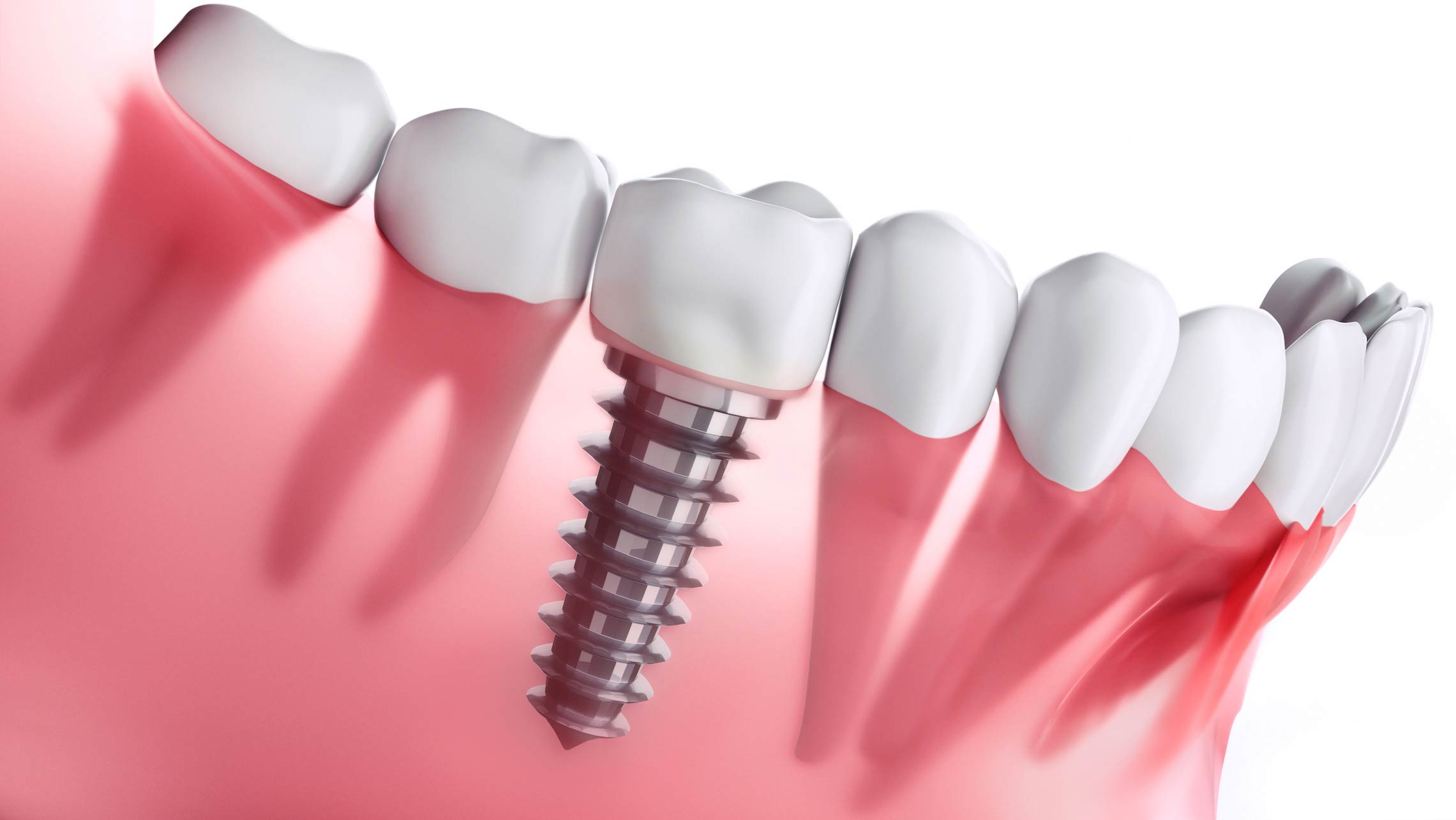
Dental implants are artificial tooth roots made from biocompatible materials, usually titanium, that are surgically placed into the jawbone. Once integrated with the bone, they serve as a stable foundation for crowns, bridges, or dentures.
The implant system typically consists of three main parts: the implant post, the abutment, and the crown. The implant post is inserted into the jawbone, the abutment connects the post to the crown, and the crown is the visible part that resembles a natural tooth.
This structure allows implants to function like natural teeth, providing stability and durability that other tooth replacement options cannot match.
The Dental Implant Procedure
The dental implant process is carried out in several stages to ensure long-term success. It begins with a detailed consultation, where the dentist evaluates the patient’s oral health, bone density, and overall suitability for implants.
If the jawbone is not strong enough, bone grafting may be required before implant placement. This helps create a solid foundation for the implant.
The next step involves surgically placing the implant into the jawbone. This procedure is performed under local anesthesia to ensure patient comfort.
After placement, a healing period known as osseointegration takes place. During this time, the implant fuses with the jawbone, creating a stable base.
Once healing is complete, the abutment and crown are attached, completing the restoration process.
Benefits of Dental Implants
Dental implants offer numerous benefits compared to traditional tooth replacement methods. One of the most significant advantages is their durability. With proper care, implants can last many years or even a lifetime.
They also provide a natural appearance, closely matching the look and feel of real teeth. This helps restore confidence and improves overall facial aesthetics.
Another key benefit is improved functionality. Implants allow patients to chew and speak comfortably without the slipping or discomfort often associated with dentures.
Dental implants also help preserve jawbone health by stimulating bone growth, preventing bone loss that typically occurs after tooth loss.
Types of Dental Implants
There are several types of dental implants available depending on the patient’s needs. Endosteal implants are the most common and are placed directly into the jawbone.
Subperiosteal implants are placed under the gum but above the jawbone and are used when there is insufficient bone height.
All-on-4 implants are a popular option for patients who need full arch restoration. This method uses four strategically placed implants to support an entire set of teeth.
Each type of implant is chosen based on individual oral health conditions and treatment goals.
Costs of Dental Implants in Singapore
The cost of dental implants in Singapore can vary depending on several factors, including the complexity of the procedure, the number of implants required, and the clinic chosen.
Additional procedures such as bone grafting or sinus lifts can also affect the overall cost. While implants may have a higher initial cost compared to other tooth replacement options, they are considered a long-term investment due to their durability and low maintenance requirements.
Many clinics provide detailed treatment plans and cost breakdowns to help patients understand the financial aspects before proceeding with treatment.
Recovery and Aftercare
Recovery after dental implant surgery typically involves a healing period of a few months. During this time, the implant integrates with the jawbone to create a strong foundation.
Patients may experience mild discomfort, swelling, or bruising immediately after surgery, which usually subsides within a few days.
Good oral hygiene is essential during recovery to prevent infection and ensure proper healing. Patients are advised to follow their dentist’s instructions carefully, including dietary recommendations and medication guidelines.
Regular follow-up visits are important to monitor healing progress and ensure the implant is functioning properly.
Who Is Suitable for Dental Implants?
Most adults with missing teeth are suitable candidates for dental implants. However, certain conditions such as insufficient bone density, gum disease, or uncontrolled medical issues may affect eligibility.
A thorough dental evaluation is necessary to determine suitability for the procedure. In some cases, preliminary treatments may be required to improve oral health before implant placement.
Non-smokers and individuals with good oral hygiene habits tend to have higher success rates with dental implants.
Risks and Considerations
Although dental implants have a high success rate, there are some risks involved. These may include infection, implant failure, or nerve damage in rare cases.
Proper planning, skilled execution, and good aftercare significantly reduce these risks. Choosing an experienced dental professional is essential for achieving successful outcomes.
Patients should also maintain regular dental check-ups to ensure long-term implant health.
Advances in Implant Dentistry
Modern implant dentistry in Singapore has seen significant advancements with the use of digital imaging, 3D planning, and guided surgery techniques. These technologies improve accuracy and reduce treatment time.
Minimally invasive procedures also help reduce discomfort and speed up recovery, making implants more accessible to a wider range of patients.
Conclusion
Teeth implants in Singapore offer a reliable, long-lasting solution for replacing missing teeth and restoring oral function. With advanced technology, skilled professionals, and personalized treatment options, patients can achieve natural-looking and durable results. Although the procedure involves multiple stages and an investment of time and cost, the long-term benefits make dental implants one of the most effective solutions for tooth replacement. By understanding the procedure, benefits, costs, and recovery process, patients can make informed decisions and enjoy improved oral health and confidence.