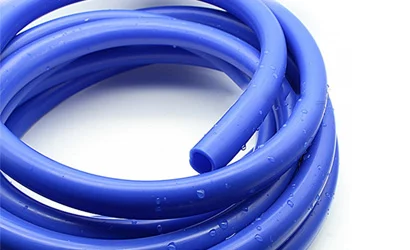
The silicone tubing industry is undergoing significant transformation as global demand continues to rise across healthcare, pharmaceutical, food processing, automotive, and advanced manufacturing sectors. In 2026, manufacturers are facing new expectations driven by stricter regulations, technological advancements, sustainability goals, and evolving customer requirements. These changes are reshaping how companies design, produce, and deliver silicone tubing products worldwide.
One of the most important developments in this sector is the increasing emphasis on material purity, precision engineering, and regulatory compliance. Industries are no longer satisfied with basic functionality; they require tubing that meets extremely high safety and performance standards. As a result, companies are actively evaluating global suppliers, including established Silicone Tubing Manufacturers, to ensure they meet evolving expectations for quality, traceability, and consistency. This shift is pushing manufacturers to adopt advanced production systems, improve documentation practices, and invest in higher-grade raw materials to remain competitive in an increasingly demanding market.
Table of Contents
ToggleRising Demand for Medical and Pharmaceutical Applications
One of the strongest global trends influencing silicone tubing production is the rapid expansion of the healthcare and pharmaceutical industries. Aging populations, increased healthcare spending, and growing demand for advanced medical devices are driving the need for high-performance silicone tubing.
Manufacturers are responding by producing tubing that meets stringent biocompatibility requirements, such as USP Class VI and ISO certifications. There is also increased demand for tubing used in drug delivery systems, peristaltic pumps, and disposable medical devices. This has led to greater investment in cleanroom manufacturing environments and contamination-free production processes.
Shift Toward High-Purity and Specialized Materials
Another major trend in 2026 is the demand for ultra-high-purity silicone materials. Industries such as biotechnology and semiconductor manufacturing require tubing that does not leach contaminants or react with sensitive substances.
To meet these requirements, manufacturers are developing advanced silicone formulations with enhanced chemical resistance and improved stability. Platinum-cured silicone is becoming increasingly popular due to its superior purity compared to peroxide-cured alternatives. This shift is encouraging suppliers to refine their material sourcing strategies and implement stricter quality control measures at every stage of production.
Automation and Smart Manufacturing Technologies
Automation is playing a central role in transforming silicone tubing production. Manufacturers are increasingly adopting smart manufacturing systems that integrate robotics, real-time monitoring, and AI-driven quality inspection tools.
These technologies allow for greater precision in extrusion processes, reducing variability and improving consistency across production batches. Automated systems also help manufacturers increase efficiency, reduce waste, and scale production more effectively to meet global demand. In addition, data-driven manufacturing is enabling predictive maintenance, helping reduce downtime and improve operational reliability.
Sustainability and Eco-Friendly Production Practices
Sustainability has become a major priority for silicone tubing manufacturers in 2026. Companies are under pressure to reduce their environmental footprint and adopt greener production methods. This includes minimizing energy consumption, reducing material waste, and using more environmentally friendly curing processes.
Recyclable packaging, energy-efficient machinery, and optimized production workflows are becoming standard practices. Some manufacturers are also exploring bio-based silicone alternatives and closed-loop production systems to further reduce environmental impact. Customers are increasingly favoring suppliers that demonstrate strong sustainability commitments, making this a key competitive factor.
Growth of Customization and Application-Specific Solutions
Modern industries require highly specialized tubing solutions tailored to unique operational needs. As a result, customization has become a major trend shaping the silicone tubing market.
Manufacturers are offering a wider range of customization options, including variations in diameter, wall thickness, hardness, color, and chemical resistance. In addition, they are collaborating more closely with clients during the design and development stages to ensure optimal performance in specific applications. This trend is particularly strong in medical, laboratory, and industrial automation sectors where precision and reliability are critical.
Expansion of Global Supply Chains
Globalization continues to influence the silicone tubing industry, with manufacturers expanding their supply chains to serve international markets more efficiently. Companies are establishing production facilities and distribution networks in multiple regions to reduce delivery times and improve customer service.
However, recent global disruptions have also highlighted the importance of supply chain resilience. Manufacturers are now focusing on diversifying suppliers, improving inventory management, and adopting digital supply chain tracking systems. These improvements help ensure consistent product availability even during periods of uncertainty.
Increasing Regulatory Complexity
As industries become more regulated, silicone tubing manufacturers must navigate increasingly complex compliance requirements. Different regions have varying standards for medical, food-grade, and industrial tubing, requiring manufacturers to maintain detailed documentation and certification processes.
In response, companies are investing in compliance management systems and third-party audits to ensure adherence to international standards. This trend is pushing manufacturers toward greater transparency and accountability throughout the production lifecycle.
Conclusion
The silicone tubing industry in 2026 is being shaped by a combination of technological innovation, regulatory pressure, sustainability goals, and rising demand for specialized applications. Manufacturers are evolving rapidly to meet these challenges by adopting advanced production methods, improving material quality, and expanding global operations. As industries continue to demand higher performance and greater reliability, only those manufacturers that embrace innovation and maintain strict quality standards will remain competitive in this dynamic global market.