

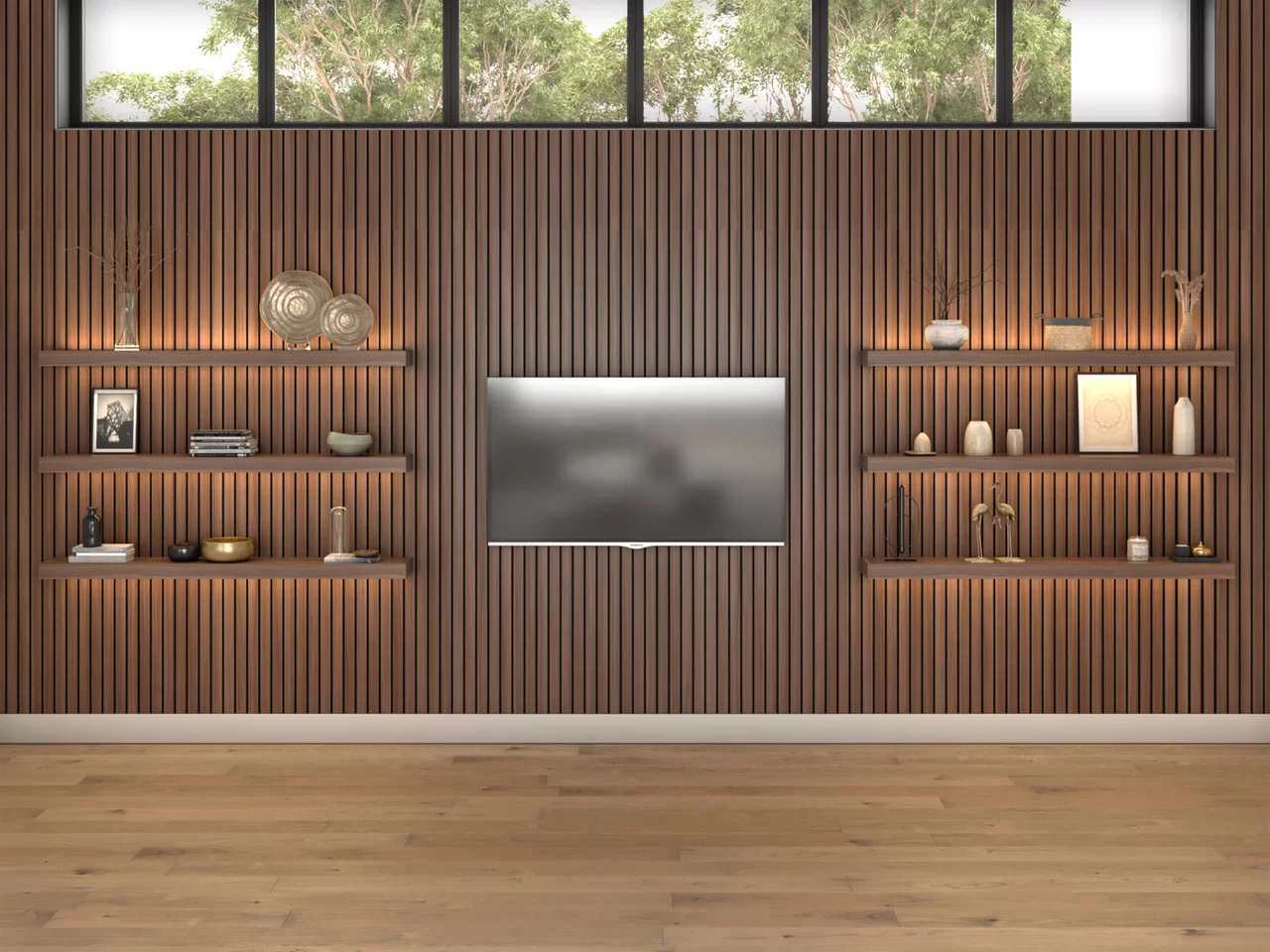
Acoustic design has evolved from a purely functional requirement into an important part of modern interior architecture. Today, sound control solutions are not only used to improve acoustics but also to enhance visual design, branding, and spatial experience. This shift has significantly influenced how manufacturers develop and produce acoustic materials.
A modern acoustic panel factory plays a central role in shaping these innovations by combining engineering, design, and material science. Working with an experienced acoustic panel factory ensures access to advanced production techniques that align with current trends in interior design and architectural acoustics.
Table of Contents
ToggleThe Growing Integration of Acoustics and Interior Design
One of the most important trends in recent years is the integration of acoustic solutions into interior design concepts from the earliest stages of planning. Instead of treating acoustics as an afterthought, architects now incorporate sound control as part of the visual and functional identity of a space.
This shift has encouraged factories to develop products that are both acoustically efficient and visually appealing. Panels are now designed to complement architectural themes rather than simply serve as technical installations.
Trend Toward Decorative Acoustic Solutions
Decorative acoustic panels are becoming increasingly popular across commercial and residential projects. These panels combine sound absorption with aesthetic design elements.
Custom Patterns and Textures
Factories now offer panels with geometric patterns, fabric textures, and layered surfaces that enhance interior visual appeal while maintaining acoustic performance.
Printed Acoustic Panels
Digital printing technology allows panels to display artwork, branding, or custom graphics. This is widely used in corporate offices, hospitality spaces, and retail environments.
Architectural Integration
Acoustic panels are increasingly being designed to blend seamlessly into walls, ceilings, and furniture systems, creating a unified interior experience.
Sustainable and Eco-Friendly Manufacturing Trends
Sustainability is a major focus in modern acoustic panel production. Factories are shifting toward environmentally responsible materials and processes.
Common sustainable practices include:
- Use of recycled polyester fibers
- Low-VOC adhesives and finishes
- Energy-efficient manufacturing systems
- Waste reduction and material recycling
These innovations support green building certifications and help reduce environmental impact in construction projects.
Rise of Modular Acoustic Systems
Modularity is another growing trend in architectural acoustics. Modular acoustic panels allow for flexible installation, easy replacement, and adaptable design configurations.
Flexible Installation Systems
Modular panels can be rearranged or expanded based on changing spatial needs, making them ideal for dynamic environments such as offices and educational spaces.
Scalable Acoustic Design
Factories are developing systems that allow acoustic treatments to be scaled easily across large projects without compromising performance or design consistency.
Advances in Material Technology
Material innovation is driving significant improvements in acoustic performance and design flexibility. Modern factories use advanced materials to enhance both functionality and aesthetics.
Common innovations include:
- High-density acoustic fibers for improved absorption
- Lightweight composite structures for easier installation
- Hybrid materials combining diffusion and absorption properties
- Fire-resistant and moisture-resistant coatings
These advancements allow acoustic panels to perform effectively in a wider range of environments.
Smart Acoustic Design Integration
Another emerging trend is the integration of acoustic design with smart building systems. Acoustic panels are now being considered as part of broader environmental control strategies within intelligent buildings.
This includes optimizing sound zones in open offices and integrating acoustic planning with lighting, ventilation, and spatial design systems.
Customization as a Standard Expectation
Customization is no longer a premium feature—it has become a standard expectation in the industry. Clients now expect acoustic solutions tailored to specific architectural and branding requirements.
Factories respond by offering:
- Custom sizes and shapes
- Color-matched finishes
- Brand-integrated designs
- Project-specific acoustic engineering
This level of flexibility allows architects and designers to achieve both functional and aesthetic goals.
Acoustic Performance Measurement in Modern Design
Despite increasing focus on design, acoustic performance remains a core requirement. The Noise Reduction Coefficient (NRC) is still widely used to evaluate sound absorption efficiency.
NRC=sound absorbedsound incidentNRC = \frac{\text{sound absorbed}}{\text{sound incident}}NRC=sound incidentsound absorbed
Balancing visual appeal with high NRC values is a key challenge for modern acoustic panel factories.
Growing Demand in Commercial Architecture
Commercial spaces such as offices, hotels, restaurants, and public buildings are driving demand for advanced acoustic solutions. These environments require a balance between noise control, durability, and design integration.
Factories are responding with scalable production systems and innovative product lines tailored to large-scale architectural projects.
The Future of Acoustic Panel Manufacturing
The future of acoustic panel factories is closely linked to innovation in design, sustainability, and smart building integration. We can expect continued development in:
- Eco-friendly materials and circular manufacturing
- Digitally customized production systems
- Multi-functional acoustic surfaces
- Greater integration with architectural software tools
These trends indicate that acoustic panels will continue to evolve beyond functional elements into essential components of interior design.
Final Thoughts
The role of the acoustic panel factory is rapidly evolving alongside trends in interior design and architectural acoustics. Modern manufacturing is no longer limited to producing functional sound-absorbing materials—it now involves design innovation, sustainability, and technological integration.
Working with a forward-thinking acoustic panel factory ensures access to modern solutions that combine acoustic performance with architectural aesthetics. As design expectations continue to rise, factories will play an increasingly important role in shaping the sound and visual experience of built environments.