Red light therapy has become an increasingly popular wellness technology due to its non-invasive approach and broad range of potential applications. Using specific wavelengths of red and near-infrared light, this method is designed to interact with the body’s cells and support natural biological processes.
Many individuals, healthcare professionals, and fitness enthusiasts are exploring red light therapy as part of their wellness routines. Devices such as a red light therapy panel provide a convenient way to deliver light exposure to larger areas of the body, making them a common choice for both personal and professional settings.
Table of Contents
ToggleUnderstanding Red Light Therapy Technology
Red light therapy involves exposing the skin and underlying tissues to carefully selected wavelengths of light, typically within the red and near-infrared spectrum. Unlike ultraviolet light, which can contribute to skin damage, these wavelengths are generally used for their ability to penetrate the skin without causing harm.
Researchers believe that red and near-infrared light can interact with the mitochondria, often referred to as the powerhouses of cells. This interaction may help support cellular energy production, which plays a role in many natural bodily functions.
How a Red Light Therapy Panel Works
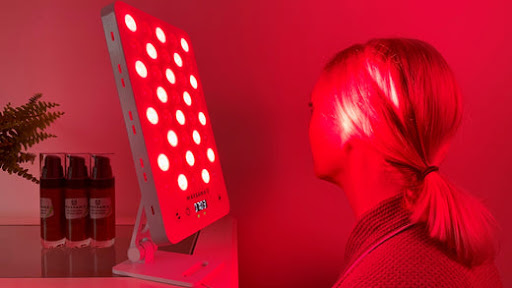
A red light therapy panel contains multiple LED lights that emit specific wavelengths of red and near-infrared light. When a user stands or sits near the panel, the light reaches the skin and underlying tissues.
The process typically involves:
- Emission of red and near-infrared wavelengths from LED sources.
- Absorption of light energy by cells.
- Support of cellular energy production.
- Potential stimulation of natural recovery and maintenance processes.
Because panels can cover larger treatment areas than handheld devices, they are often used for full-body or targeted treatments involving multiple muscle groups or larger sections of skin.
Common Applications of Red Light Therapy Panels
While research continues to explore the full range of benefits, red light therapy panels are commonly used in several areas.
Skin Health and Appearance
One of the most recognized applications is skin care. Red light therapy is frequently used to support a healthier-looking complexion and improve the overall appearance of the skin.
Users often seek treatment for concerns such as:
- Fine lines and wrinkles
- Uneven skin tone
- Skin texture improvements
- General skin rejuvenation
Muscle Recovery and Performance
Athletes and fitness enthusiasts commonly use red light therapy panels as part of their recovery routines. The technology is often incorporated before or after workouts to support muscle recovery and overall physical performance.
Larger panels are particularly useful because they can treat broad muscle groups simultaneously, making sessions more efficient.
Joint and Tissue Support
Red light therapy is also widely used for general joint and tissue wellness. Individuals experiencing everyday physical stress may use light therapy as part of a broader recovery or self-care program.
Its non-invasive nature makes it an attractive option for those seeking supportive wellness practices without lengthy recovery periods.
General Wellness and Relaxation
Many users report that regular light therapy sessions help them feel more relaxed and refreshed. Although experiences vary, red light therapy is often integrated into holistic wellness routines alongside exercise, healthy nutrition, and adequate sleep.
Advantages of Using a Red Light Therapy Panel
Compared with smaller devices, therapy panels offer several practical benefits:
- Larger treatment coverage areas
- Consistent light distribution
- Hands-free operation
- Potential time savings during sessions
- Suitable for both targeted and full-body use
These features have contributed to the growing popularity of panel-based systems in both commercial and home environments.
Safety Considerations
Red light therapy is generally considered a low-risk technology when used according to manufacturer guidelines. However, users should always follow recommended usage instructions and consult a qualified healthcare professional if they have specific medical concerns.
Eye protection may also be recommended depending on the intensity and duration of exposure. Proper positioning and session timing can help ensure a safe and comfortable experience.
Conclusion
Red light therapy panels represent a modern approach to light-based wellness, offering a convenient method for delivering red and near-infrared wavelengths to the body. From skin care and muscle recovery to general wellness support, these devices have found applications across a variety of personal and professional settings.
As scientific research continues to expand, interest in red light therapy panels is expected to grow, helping more people understand how this technology works and how it may fit into their overall health and wellness routines.