

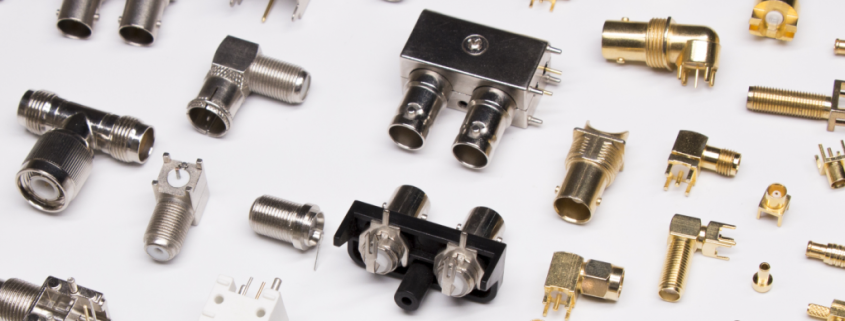
Industrial systems today depend on fast, stable, and secure electrical connections to maintain uninterrupted operation. From automation lines to communication networks and heavy machinery, every system relies on connectors that can handle continuous electrical load and harsh environmental conditions. A weak connection can quickly lead to downtime, signal loss, or equipment failure.
To meet these demands, engineers prioritize robust and well-engineered interconnection solutions designed for long-term stability. Among widely used industrial options, the m type connector is recognized for its reliable performance, mechanical durability, and ability to maintain stable signal and power transmission in challenging industrial environments.
Table of Contents
ToggleThe Importance of Reliable Industrial Connectivity
Reliable connectivity is the backbone of modern industrial operations. As systems become more automated and data-driven, connectors must ensure uninterrupted communication between sensors, controllers, and power systems.
Unstable connections can lead to:
- Data transmission errors and signal loss
- Unexpected machine downtime
- Reduced production efficiency
- Safety risks in automated systems
Because of these risks, connector reliability is a key factor in system design and engineering.
M Type Connectors in Industrial Applications
M Type connectors are circular industrial connectors designed to provide secure and stable electrical connections. Their structure is optimized for environments where vibration, moisture, and electromagnetic interference are common.
Inside the second paragraph, many industrial systems rely on the m type connector because it delivers consistent electrical performance and strong mechanical locking, ensuring uninterrupted connectivity in automation, communication, and machinery applications even under harsh operating conditions.
Their compact design also allows for flexible installation in space-limited environments.
Electrical Performance and Signal Stability
Electrical stability is essential for maintaining system accuracy and efficiency. Poor connector performance can result in signal distortion or power interruptions, which may affect entire industrial processes.
M Type connectors are engineered to support stable electrical performance through:
- Low contact resistance for efficient power transfer
- Consistent signal integrity across multiple cycles
- Shielding against electromagnetic interference
- Support for both analog and digital transmission
These features help ensure reliable communication between system components.
Mechanical Strength and Secure Locking Design
Industrial environments often involve vibration, movement, and mechanical stress. Connectors must remain securely fastened to prevent accidental disconnection or performance degradation.
M Type connectors use threaded locking mechanisms that provide strong and stable mating force. This design ensures that connections remain intact even in high-vibration applications such as robotics and heavy machinery.
Key mechanical advantages include:
- High resistance to vibration and shock
- Precision alignment for secure mating
- Durable housing materials for industrial use
- Long service life under repeated use cycles
These characteristics contribute to long-term system reliability.
Environmental Resistance for Harsh Conditions
Industrial systems often operate in environments exposed to dust, moisture, oil, and temperature fluctuations. Without proper protection, connectors can degrade quickly and compromise system performance.
M Type connectors are designed with sealing systems that protect internal components from environmental exposure.
Environmental protection features include:
- Sealed interfaces to block dust and water ingress
- Corrosion-resistant materials for durability
- Wide operating temperature tolerance
- Protection against humidity and chemical exposure
These features make them suitable for both indoor and outdoor industrial environments.
Applications Across Industrial Sectors
Due to their reliability and versatility, M Type connectors are widely used across multiple industrial sectors. Their ability to support both power and signal transmission makes them suitable for complex systems.
Common applications include:
- Industrial automation and control systems
- Robotics and motion control equipment
- Communication and sensor networks
- Transportation and railway systems
- Heavy machinery and manufacturing equipment
In these applications, stable connectivity is essential for safe and efficient operation.
Benefits of Using M Type Connectors
M Type connectors offer several advantages that make them a preferred choice in industrial environments. Their balanced design ensures both performance and durability.
Key benefits include:
- Reliable signal and power transmission
- Reduced system downtime due to connection failure
- Long operational lifespan with minimal maintenance
- Easy integration into industrial system designs
- Strong performance in harsh environments
These benefits contribute to improved operational efficiency and system stability.
Conclusion
Industrial connectivity requires connectors that can perform reliably under continuous stress and challenging environmental conditions. As automation and industrial systems become more advanced, the need for durable and efficient connection solutions continues to grow.
The m type connector provides a dependable solution by combining strong mechanical design, stable electrical performance, and resistance to harsh conditions. Its versatility and reliability make it an essential component in ensuring uninterrupted connectivity across modern industrial systems.