

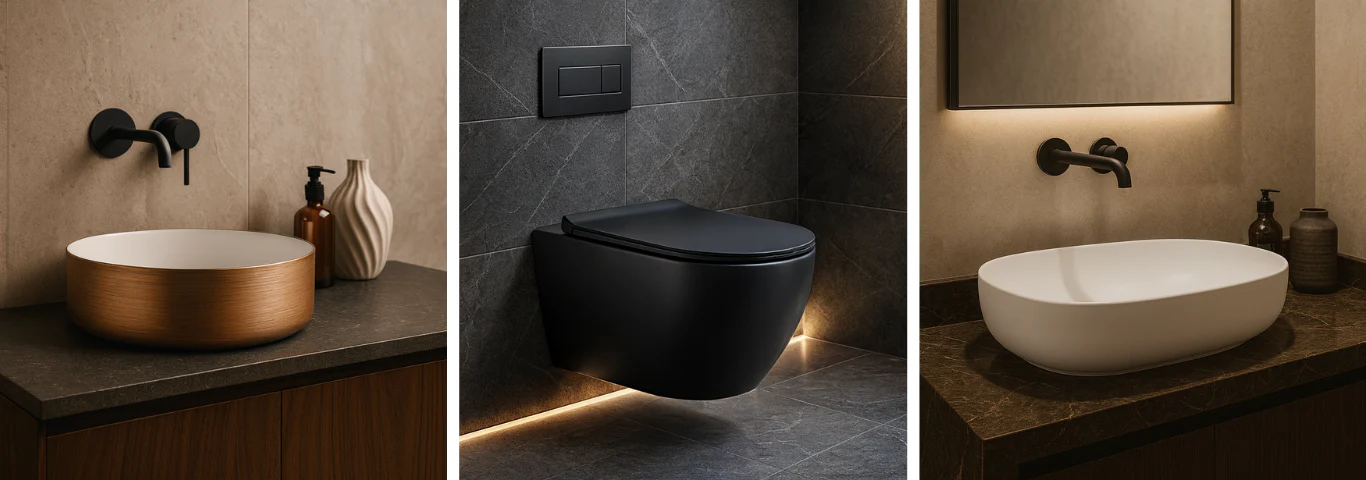
The sanitary ware manufacturing industry in China has developed into one of the most influential sectors in the global construction and home improvement market. Chinese factories produce a wide range of bathroom fixtures, including washbasins, toilets, bathtubs, shower trays, and countertops. These products are widely exported to markets in North America, Europe, the Middle East, and Asia. To successfully compete in international markets, manufacturers must meet strict regulatory requirements and obtain industry certifications that confirm product quality, safety, and environmental compliance.
Industry certifications are essential because they provide assurance that sanitary ware products meet specific technical standards and regulatory guidelines. These certifications not only enhance consumer confidence but also make it easier for manufacturers to access global markets. Buyers and construction companies often evaluate suppliers based on their certifications before establishing partnerships. Businesses seeking reliable suppliers frequently explore resources such as China Sanitary Ware Manufacturers, which highlight companies that meet recognized manufacturing and certification standards.
Table of Contents
ToggleISO 9001 Quality Management Certification
ISO 9001 is one of the most widely recognized quality management certifications in the manufacturing industry. Many sanitary ware manufacturers in China obtain ISO 9001 certification to demonstrate their commitment to maintaining consistent quality standards throughout the production process.
This certification requires companies to establish a structured quality management system that covers every stage of manufacturing, including product design, raw material procurement, production control, inspection procedures, and customer service. By implementing ISO 9001 guidelines, manufacturers ensure that their operations follow standardized processes designed to reduce errors and improve efficiency.
ISO 9001 certification also encourages continuous improvement within organizations. Manufacturers regularly review their processes, monitor performance, and implement corrective actions when necessary. As a result, certified companies are better equipped to deliver reliable and high-quality sanitary ware products to international markets.
ISO 14001 Environmental Management Certification
Environmental responsibility has become increasingly important in modern manufacturing industries. Sanitary ware production often involves energy-intensive processes such as ceramic firing, glazing, and surface finishing. To address environmental concerns, many Chinese manufacturers pursue ISO 14001 certification.
ISO 14001 focuses on environmental management systems and requires companies to minimize their environmental impact through responsible resource management. Manufacturers must monitor energy consumption, reduce emissions, manage waste responsibly, and implement sustainable production practices.
By obtaining ISO 14001 certification, sanitary ware manufacturers demonstrate their commitment to environmentally responsible manufacturing. This certification is particularly valuable for companies exporting to regions where environmental regulations are strict and sustainability standards are highly valued.
CE Certification for European Markets
For sanitary ware products exported to the European Economic Area, CE certification is often required. The CE mark indicates that a product meets European health, safety, and environmental protection requirements.
CE certification ensures that sanitary ware products comply with specific technical standards related to product durability, water safety, and material quality. Manufacturers must conduct testing and maintain technical documentation to prove compliance with European regulations.
Obtaining CE certification allows Chinese manufacturers to legally sell their products within European markets. It also demonstrates that the products meet internationally recognized safety and performance standards.
Water Efficiency and Environmental Product Certifications
Water conservation has become an important global concern, particularly in regions facing water shortages. As a result, many countries have introduced water efficiency standards for bathroom fixtures such as toilets, faucets, and shower systems.
Sanitary ware manufacturers often obtain water efficiency certifications to demonstrate that their products help reduce water consumption. These certifications are especially important for commercial construction projects and green building initiatives.
Water-efficient toilets with dual-flush systems and low-flow faucets are increasingly demanded by environmentally conscious consumers and developers. By meeting water efficiency standards, manufacturers can expand their presence in markets that prioritize sustainable building practices.
Product Testing and Safety Compliance
In addition to international certifications, sanitary ware manufacturers must ensure that their products undergo rigorous testing to verify performance and safety. Product testing typically includes evaluations of structural strength, water resistance, surface durability, and load-bearing capacity.
Testing laboratories analyze ceramic density, water absorption rates, and glaze quality to ensure products meet required technical specifications. These tests help confirm that sanitary ware products can withstand long-term use in residential and commercial environments.
Compliance with safety regulations also ensures that materials used in manufacturing do not contain harmful substances. This is particularly important for products that come into direct contact with water and human use.
Factory Audits and Third-Party Verification
Many international buyers conduct factory audits before entering into long-term supply agreements with sanitary ware manufacturers. These audits evaluate production capabilities, quality control procedures, working conditions, and environmental compliance.
Third-party inspection organizations often perform these audits to provide unbiased verification of manufacturing standards. Successful factory audits help manufacturers build trust with international partners and secure long-term business relationships.
Regular inspections also encourage manufacturers to maintain consistent operational standards and continuously improve their production systems.
Conclusion
Industry certifications are essential for sanitary ware manufacturers in China seeking to compete in the global market. Certifications such as ISO 9001, ISO 14001, CE marking, and water efficiency standards help ensure product quality, environmental responsibility, and regulatory compliance.
By obtaining these certifications and maintaining strict quality control systems, Chinese manufacturers demonstrate their commitment to producing reliable and safe sanitary ware products. As global demand for high-quality bathroom fixtures continues to grow, adherence to industry certifications will remain a key factor in maintaining competitiveness and building strong international partnerships.