

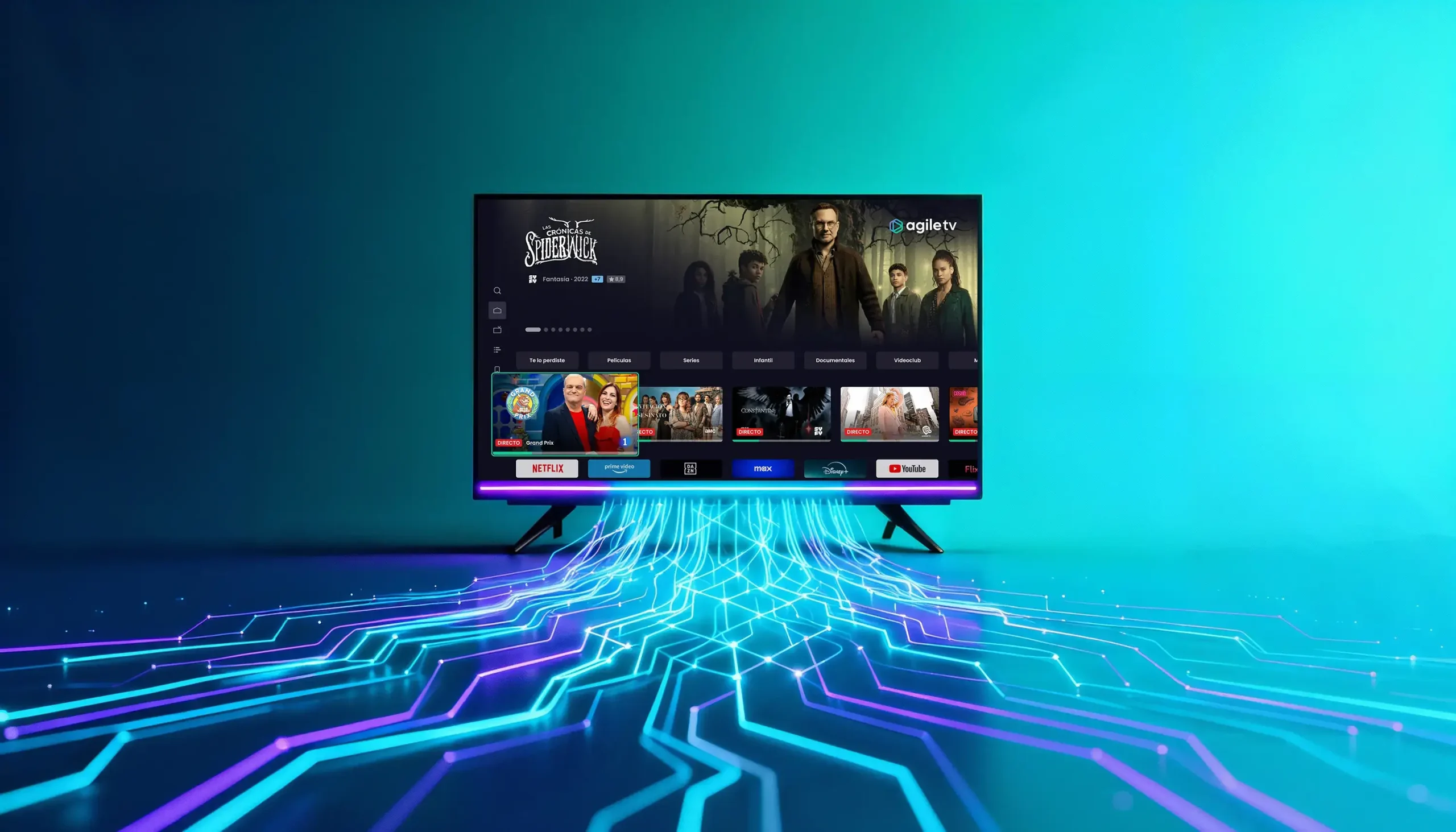
Connected TV advertising is rapidly becoming a central pillar in digital marketing, transforming how brands reach audiences across streaming platforms. With viewers increasingly cutting the cord and shifting from traditional cable to smart TVs and streaming devices, advertisers are gaining unprecedented access to targeted, measurable, and highly engaging campaigns. The evolution of Connected TV has opened doors for marketers to leverage real-time data, predictive insights, and AI-driven strategies to maximize return on ad spend. Understanding these trends is critical for brands planning their media strategies in 2026 and beyond.
For advertisers looking to stay ahead of the curve, analyzing CTV ad trends provides insight into the technologies and strategies that are defining the next wave of digital video marketing. These trends highlight how data-driven targeting, automated campaign optimization, and privacy-focused solutions are reshaping performance marketing and influencing consumer engagement.
The Rapid Growth of CTV Advertising Spend
One of the most notable shifts in the advertising landscape is the explosive growth of spend on Connected TV campaigns. As traditional television viewership declines, brands are allocating larger portions of their marketing budgets to streaming platforms.
This increase is driven by several factors:
-
Audience Migration: Consumers are spending more time streaming content on smart TVs, streaming sticks, and connected consoles, creating high-value inventory for advertisers.
-
Enhanced Engagement: CTV ads appear on large screens in focused viewing environments, which increases completion rates and brand recall compared to mobile or desktop advertising.
-
Measurable Impact: Advanced analytics and real-time performance metrics allow advertisers to track and attribute conversions accurately, encouraging higher investment in CTV channels.
Analysts predict that by 2026, CTV advertising could account for a significant share of the total digital video market, making it an essential component of omni-channel marketing strategies.
Privacy-First Targeting and Compliance
As privacy regulations become stricter globally, advertisers are adjusting their strategies to comply with laws like GDPR and CCPA while still delivering effective targeting. Privacy-first targeting approaches rely on aggregated data, anonymized identifiers, and consent-based audience segmentation.
Brands are increasingly focusing on:
-
First-party data utilization: Leveraging data collected directly from their own users rather than third-party sources.
-
Contextual targeting: Aligning ads with relevant content without requiring personal identifiers.
-
Consent management tools: Ensuring users control what data is collected, building trust and transparency.
This shift allows marketers to maintain precise targeting while respecting consumer privacy, reinforcing brand reputation and audience loyalty.
AI and Real-Time Measurement
Artificial intelligence and machine learning are central to the evolution of Connected TV advertising. AI allows marketers to optimize campaigns in real time, enhancing performance and efficiency.
Key applications of AI in CTV advertising include:
-
Dynamic Audience Segmentation: AI algorithms analyze viewing behavior to identify the most relevant audiences for each campaign.
-
Predictive Performance Modeling: Machine learning predicts which ad creatives and placements are most likely to drive conversions.
-
Automated Bid Optimization: AI systems adjust bidding strategies dynamically to maximize ROI and minimize wasted spend.
-
Real-Time Reporting: Continuous measurement enables advertisers to make instant adjustments, improving outcomes throughout the campaign lifecycle.
The integration of AI not only improves campaign performance but also allows brands to scale their advertising efforts while maintaining precision and relevance.
The Rise of Programmatic CTV
Programmatic buying has become increasingly prevalent in Connected TV advertising. Automated platforms allow marketers to purchase ad inventory efficiently, leveraging data-driven insights to deliver personalized campaigns at scale.
Benefits of programmatic CTV include:
-
Efficient Inventory Access: Marketers can reach audiences across multiple streaming platforms without negotiating each placement manually.
-
Targeted Reach: Programmatic platforms use audience data to ensure ads are delivered to the most relevant viewers.
-
Optimized Ad Delivery: Automated systems can adjust creatives, budgets, and bids in real time, improving campaign efficiency.
The combination of AI and programmatic automation is allowing advertisers to maximize performance while reducing operational complexity.
Creative Innovations in CTV Advertising
CTV advertising is also fostering innovation in ad formats. Interactive and shoppable ads are gaining popularity, allowing viewers to engage with brands directly from their TVs.
Examples of creative strategies include:
-
Clickable Calls to Action: Enabling viewers to respond or explore offers directly from the ad.
-
Personalized Video Experiences: Tailoring ad content to individual viewer preferences and behaviors.
-
Gamified or Interactive Campaigns: Encouraging audience engagement through immersive formats that enhance brand recall.
These innovations make CTV a more engaging and conversion-friendly medium compared to traditional linear TV advertising.
Measurement and Attribution Advancements
A critical advantage of Connected TV over traditional TV is its ability to measure performance accurately. Advertisers can track multiple touchpoints across devices, including how viewers interact with campaigns on smart TVs, mobile devices, and desktops.
Attribution advancements include:
-
Cross-device tracking: Connecting CTV ad exposure to downstream actions such as website visits, app installs, or purchases.
-
Real-time dashboards: Providing actionable insights that allow marketers to adapt campaigns quickly.
-
ROI-focused reporting: Evaluating the effectiveness of campaigns to inform future strategies.
This level of insight ensures that brands can justify investment and optimize marketing spend effectively.
Preparing for the 2026 Outlook
As we approach 2026, the Connected TV landscape is expected to become even more sophisticated. Advertisers are likely to see:
-
Wider adoption of AI-driven targeting and automation
-
Greater emphasis on privacy-first, consent-based strategies
-
More integrated cross-device campaign management
-
Enhanced interactive ad formats and viewer engagement techniques
For brands aiming to stay competitive, understanding the 2026 outlook for CTV advertising is crucial. Planning ahead will allow marketers to allocate budgets effectively, leverage emerging technologies, and maintain high-performance campaigns.
Conclusion
Connected TV advertising is transforming how brands engage with audiences. The combination of CTV ad trends, AI-driven targeting, real-time measurement, programmatic buying, and innovative ad formats is reshaping performance marketing strategies.
Advertisers who embrace these trends and invest in intelligent, data-driven approaches will gain a competitive edge, reaching the right audiences with the right message at the right time. As the industry evolves toward 2026, CTV will remain a critical channel for brands seeking measurable results, higher engagement, and optimized advertising spend.
By focusing on emerging trends, privacy compliance, and innovative campaign execution, businesses can maximize the impact of their CTV advertising strategies and position themselves for sustained success in the streaming era.