

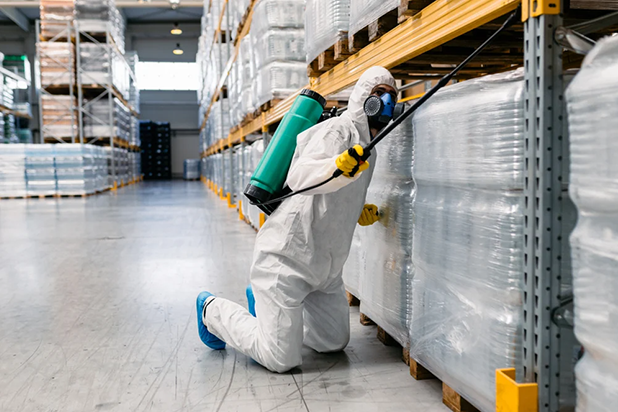
Maintaining hygiene in food manufacturing facilities is essential not only for regulatory compliance but also for protecting public health. Pests in food processing environments pose significant risks, including contamination, equipment damage, and reputational harm. Effective pest control strategies help safeguard products, maintain safety standards, and ensure smooth operations. Addressing pest issues proactively can prevent costly downtime, fines, and health hazards.
For businesses seeking reliable solutions, professional food manufacturing pest control services provide tailored strategies to protect facilities from rodents, insects, and other potential threats. These services combine inspection, preventive measures, and treatments specifically designed for food industry standards.
Common Pests in Food Manufacturing
Food processing facilities can attract a variety of pests due to the presence of food residues, moisture, and sheltering spaces. The most common pests include:
-
Rodents: Mice and rats can cause significant damage by chewing wires, packaging, and stored food. They also carry diseases that can contaminate products.
-
Cockroaches: These insects are nocturnal and thrive in warm, humid areas. They can spread bacteria, contaminate surfaces, and trigger allergies.
-
Flies: Houseflies and fruit flies can carry pathogens from waste or raw materials to food production areas.
-
Stored Product Pests: Beetles, moths, and weevils can infest raw ingredients and packaged goods.
Understanding the types of pests common to the facility helps in designing effective control strategies.
Health and Compliance Risks
Pests in food manufacturing environments pose serious risks:
-
Food Contamination: Pests can introduce bacteria, viruses, and parasites to products.
-
Regulatory Violations: Food safety authorities have strict regulations regarding pest management. Failure to comply can result in fines or shutdowns.
-
Damage to Reputation: Product recalls or contamination reports can harm consumer trust.
-
Operational Disruptions: Infestations may lead to downtime, increased cleaning costs, and production delays.
Preventive Measures for Pest Control
Proactive pest management is critical for food manufacturing facilities. Key measures include:
1. Facility Hygiene
Maintaining high cleanliness standards reduces the risk of attracting pests. Regular cleaning schedules for floors, machinery, and storage areas are essential. Waste disposal should be prompt and proper, with sealed bins and routine removal.
2. Structural Maintenance
Inspecting and sealing cracks, gaps, and openings in walls, doors, and windows prevents pests from entering the facility. Proper ventilation and humidity control also reduce favorable conditions for insects and rodents.
3. Food Storage Practices
Store raw materials and finished products in sealed containers. Rotate stock frequently to prevent long-term storage that may attract pests. Ensure pallets and storage areas are clean and elevated from the floor.
4. Monitoring and Inspection
Routine inspections help identify early signs of infestation. Sticky traps, bait stations, and visual checks can track pest activity and help evaluate the effectiveness of control measures.
Professional Food Manufacturing Pest Control Strategies
While preventive measures are essential, professional pest control provides comprehensive and targeted solutions to protect facilities:
1. Detailed Facility Assessment
Experts conduct thorough inspections to identify vulnerable areas, types of pests, and the extent of potential infestations. This assessment informs a customized pest control plan.
2. Integrated Pest Management (IPM)
IPM combines multiple strategies to eliminate pests while minimizing risks to products and workers:
-
Baiting and Trapping: Used to control rodent and insect populations effectively.
-
Chemical Treatments: Applied safely and in accordance with food industry standards.
-
Sanitation Protocols: Reinforce cleanliness and preventive measures throughout the facility.
-
Barrier Protection: Installing screens, air curtains, and seals to block pest entry.
3. Continuous Monitoring and Reporting
Professional services provide regular follow-ups and monitoring to ensure lasting control. Data-driven reporting helps facility managers make informed decisions and maintain compliance with food safety regulations.
4. Training and Staff Awareness
Educating staff on pest prevention and detection is an important component of food manufacturing pest control. Employees trained to follow proper hygiene, storage, and inspection protocols help reduce the likelihood of infestations.
Benefits of Professional Pest Control
Investing in expert pest control services offers several advantages:
-
Effective Elimination: Targeted treatments eradicate existing infestations.
-
Regulatory Compliance: Ensures adherence to local and international food safety standards.
-
Reduced Risk of Contamination: Protects products from pathogens and allergens.
-
Cost Savings: Prevents costly recalls, downtime, and equipment damage.
-
Peace of Mind: A systematic approach provides confidence in facility hygiene and safety.
Conclusion
Pests in food manufacturing facilities are more than just a nuisance—they are a serious threat to food safety, regulatory compliance, and brand reputation. Implementing preventive measures, maintaining high hygiene standards, and utilizing professional food manufacturing pest control services ensure effective eradication and long-term protection. By combining proactive facility management with expert intervention, manufacturers can safeguard their products, protect consumers, and maintain efficient operations in a safe and pest-free environment.