

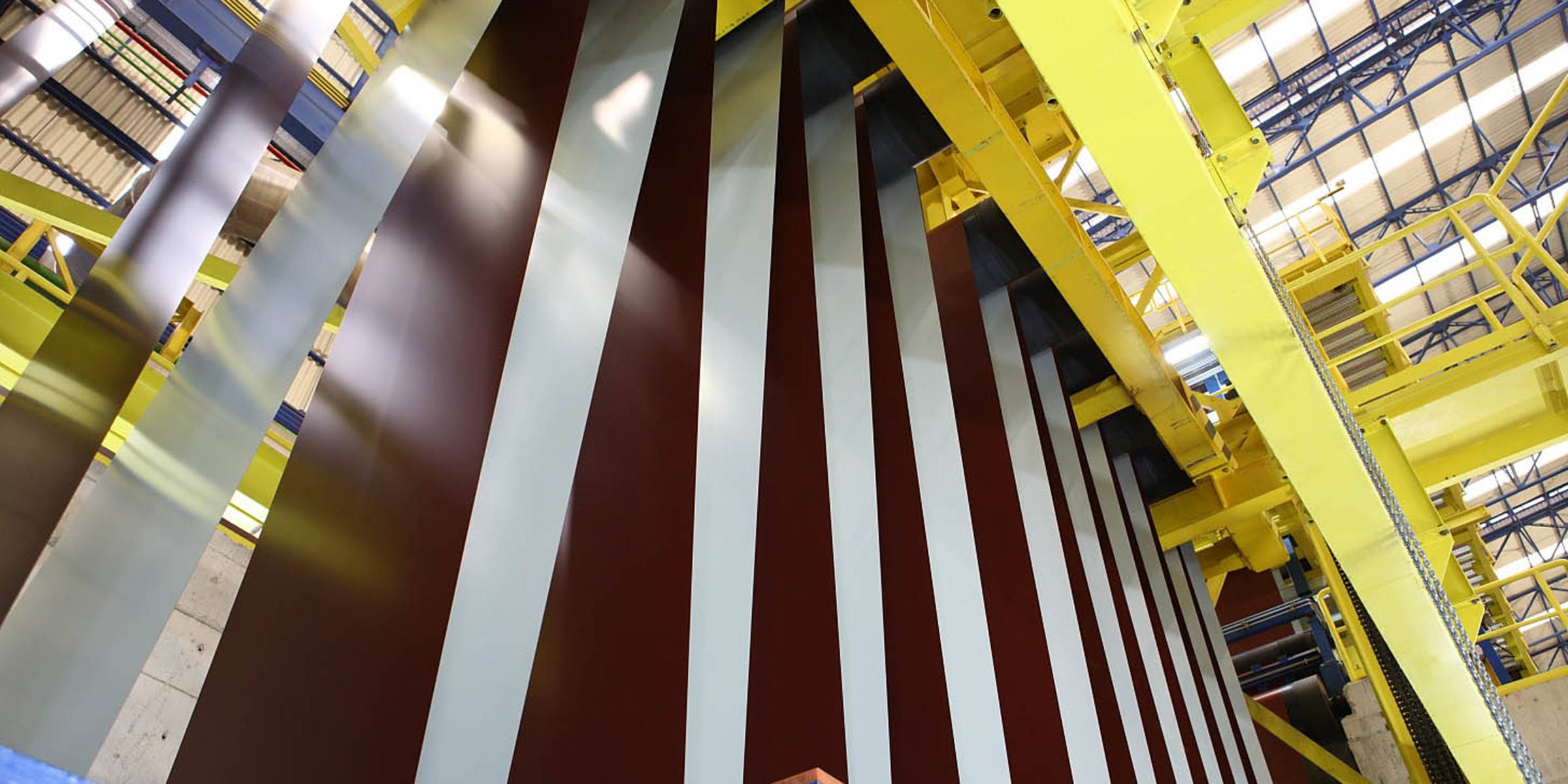
Coating quality is a critical factor in determining the performance, appearance, and durability of aluminum products. Even minor defects can lead to product rejection, reduced lifespan, or customer dissatisfaction. In continuous industrial production, identifying the root causes of coating issues and implementing preventive strategies is essential for maintaining stable output.
A modern aluminum coil coating line is designed to minimize defects through precise control of surface preparation, coating application, and curing conditions. However, defects can still occur due to material variation, equipment issues, or process instability, making systematic prevention strategies essential.
Table of Contents
ToggleUnderstanding the Nature of Coating Defects
Coating defects occur when the applied layer does not meet required standards for thickness, adhesion, appearance, or durability. These defects can appear at any stage of the production process and may only become visible after curing or final inspection.
Common categories include:
- Surface appearance defects
- Adhesion failures
- Thickness inconsistencies
- Curing-related issues
- Mechanical damage during handling
Understanding these categories helps manufacturers identify root causes more effectively.
Surface Contamination and Its Impact
One of the most common causes of coating defects is surface contamination. Any residue on the aluminum surface can interfere with coating adhesion and uniformity.
Typical contaminants include:
- Oil and grease residues
- Dust particles
- Oxidation layers
- Chemical residues from pretreatment
To prevent contamination-related defects, manufacturers must ensure thorough cleaning and controlled environmental conditions throughout the production line.
Poor Adhesion and Delamination Issues
Adhesion failure occurs when the coating does not properly bond to the aluminum surface. This can lead to peeling, flaking, or delamination over time.
Main causes include:
- Inadequate surface pretreatment
- Incorrect chemical concentration
- Insufficient curing temperature
- Moisture trapped beneath coating layers
Preventive measures involve optimizing pretreatment processes, maintaining proper curing profiles, and ensuring surface dryness before coating application.
Uneven Coating Thickness Problems
Inconsistent coating thickness can affect both appearance and performance. Thick areas may crack during forming, while thin areas may lack sufficient protection.
Causes of thickness variation include:
- Incorrect roller calibration
- Fluctuating line speed
- Improper coating viscosity control
- Worn application rollers
Regular equipment calibration and real-time monitoring help maintain uniform coating distribution across the entire coil surface.
Curing Defects and Thermal Issues
Curing is a critical stage where coating properties are permanently fixed. Improper curing can lead to multiple surface and structural defects.
Common curing-related issues include:
- Under-curing resulting in soft coatings
- Over-curing causing brittleness or discoloration
- Uneven heat distribution
- Rapid temperature fluctuations
To prevent these problems, curing ovens must maintain stable temperature profiles with proper airflow and zoning control.
Surface Appearance Defects
Visual quality is especially important in architectural and decorative applications. Even minor surface imperfections can significantly affect product acceptance.
Common appearance defects include:
- Orange peel texture
- Streaking or lines
- Craters or pinholes
- Color variation
These issues often result from improper coating flow, contamination, or unstable process parameters.
Mechanical Damage During Processing
Aluminum coils are continuously moved through rollers, guiding systems, and recoiling units. Improper handling can cause physical damage to the coated surface.
Typical mechanical issues include:
- Scratches from rollers
- Edge damage during winding
- Surface indentation
- Coil misalignment
Proper equipment maintenance and tension control are essential for preventing mechanical defects.
Role of Process Control in Defect Prevention
Modern coil coating lines rely on automated process control systems to minimize human error and maintain consistent production conditions.
Key control functions include:
- Real-time coating thickness monitoring
- Automatic line speed adjustment
- Temperature regulation in curing ovens
- Chemical dosing control
These systems ensure stable operation and early detection of potential issues.
Importance of Maintenance and Equipment Condition
Equipment condition has a direct impact on coating quality. Worn or poorly maintained components are a major source of production defects.
Critical maintenance areas include:
- Roller surface inspection and cleaning
- Pump and circulation system checks
- Sensor calibration
- Oven performance evaluation
Preventive maintenance schedules help reduce unexpected failures and quality issues.
Environmental Factors Affecting Coating Quality
Environmental conditions inside the production facility can also influence coating results. Temperature, humidity, and airborne particles must be carefully controlled.
Key environmental risks include:
- High humidity causing moisture defects
- Dust contamination in open areas
- Temperature instability affecting curing
- Poor ventilation in coating zones
Controlled production environments help ensure consistent coating performance.
Conclusion
Coating defects in aluminum coil production can arise from multiple sources, including surface contamination, process instability, equipment wear, and environmental conditions. While these issues can impact product quality, most of them can be effectively prevented through proper process control, maintenance, and system optimization.
A modern aluminum coil coating line integrates advanced automation and monitoring systems to minimize defects and ensure consistent output quality. By understanding common defect types and applying preventive strategies, manufacturers can significantly improve efficiency, reduce waste, and deliver high-performance coated aluminum products.