

Have you ever walked into your home after a long day and felt the temperature was completely off? Too warm in summer, too cold in winter—like your house never quite matches your routine. That small discomfort becomes a daily frustration more than most people realize.
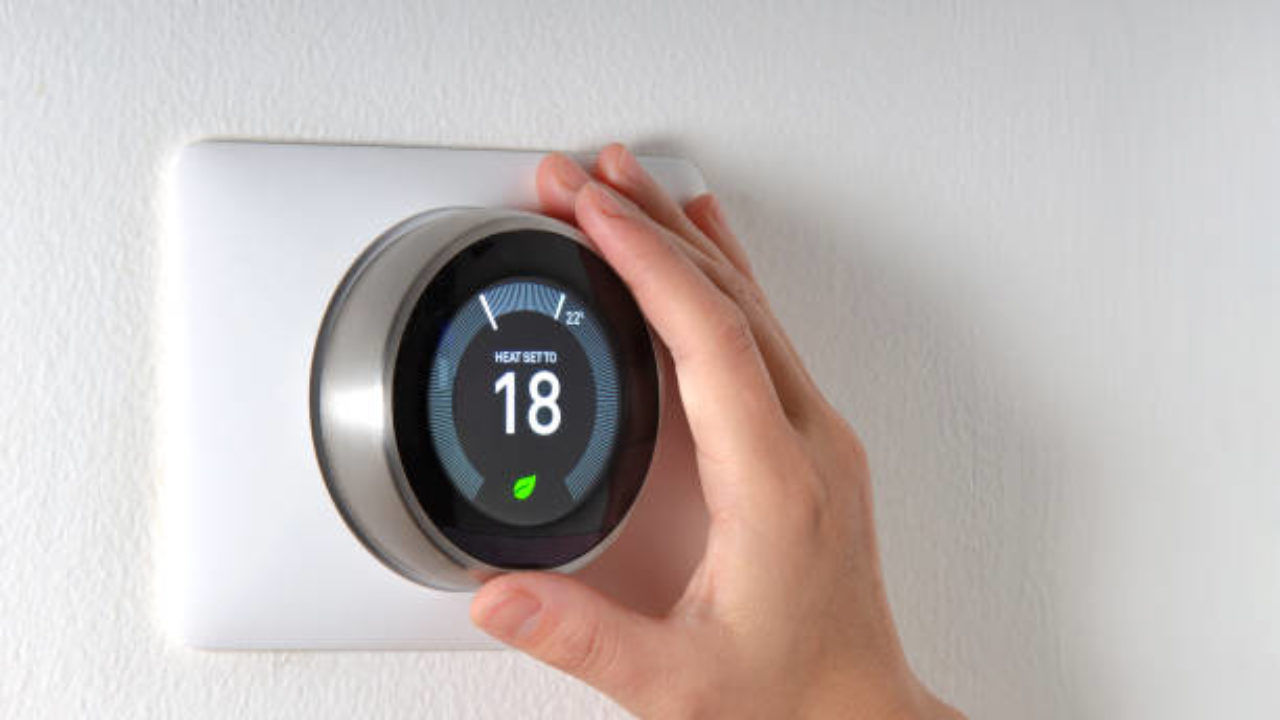
A Smart Thermostat changes that experience by giving you precise control over your home’s temperature, learning your habits, and adjusting automatically so your living space feels right when you need it most.
Why Home Temperature Control Matters More Than Ever
Modern homes are no longer used in a fixed routine. People work remotely, travel often, and spend time in different rooms throughout the day. This shift makes traditional heating and cooling systems feel outdated.
A manual thermostat requires constant adjustment. And honestly, most people forget. That’s where inefficiency begins.
Even a small mistake—like leaving the heater on all day—can impact comfort and energy bills.
Common Temperature Problems in Homes
Many households deal with:
- Rooms that heat unevenly
- Air conditioning running in empty spaces
- Forgetting to adjust settings before leaving home
- Sudden temperature swings during sleep
- High monthly electricity or gas bills
These issues don’t come from bad systems—they come from lack of intelligent control.
What a Smart Thermostat Actually Does
A smart thermostat is more than a digital temperature controller. It connects your heating and cooling system to Wi-Fi, allowing automation and remote access through apps.
But its real value is behavior-based control.
It observes patterns like:
- When you wake up
- When you leave home
- When you return
- Your preferred sleeping temperature
Then it adjusts settings without you needing to touch anything.
How It Improves Daily Comfort
The biggest advantage is consistency. Instead of sudden temperature changes, your home gradually adjusts based on your lifestyle.
Morning Comfort
Imagine waking up to a room that’s already at a comfortable temperature. No waiting, no manual adjustment.
Work-from-Home Balance
During the day, the system can reduce unnecessary heating or cooling in unused rooms, while keeping your workspace comfortable.
Evening Relaxation
In the evening, temperatures shift automatically to a more relaxing level, supporting rest and downtime.
Energy Efficiency Without Extra Effort
One of the strongest reasons people switch to smart climate control is energy savings.
Heating and cooling are among the biggest energy consumers in any home. Even small improvements in efficiency can make a noticeable difference over time.
How Energy Savings Happen
A smart system reduces waste by:
- Lowering temperature when no one is home
- Avoiding overcooling or overheating
- Learning seasonal usage patterns
- Optimizing runtime of HVAC systems
Instead of running continuously, your system operates only when needed.
Real-Life Example: A Household Upgrade
A family living in a mid-sized home noticed their energy bills rising every season. Their routine was inconsistent—sometimes the house stayed empty during the day, but the HVAC system kept running.
After installing a smart system:
- They set automatic “away mode” schedules
- The system reduced usage during work hours
- Night temperatures adjusted for better sleep
Within a few months, they noticed two changes:
- More stable indoor comfort
- Lower monthly energy usage
No lifestyle overhaul was needed—just smarter control.
Key Features That Make a Difference
Not all devices offer the same experience. When choosing a system, certain features matter more than others.
1. Remote Control via App
Control your home temperature from anywhere using a smartphone.
Useful for:
- Returning home earlier than planned
- Adjusting settings while traveling
- Checking system status remotely
2. Learning Capability
Some systems adapt automatically based on your habits.
For example:
- If you lower temperature every night at 10 PM, it will start doing it for you
- If mornings always require heating, it prepares in advance
3. Scheduling Options
Custom schedules allow you to define:
- Weekday routines
- Weekend preferences
- Seasonal adjustments
4. Energy Reports
Many systems provide insights into usage patterns so you can understand:
- Peak energy consumption times
- Efficiency improvements
- Cost-saving opportunities
Integration with Smart Home Systems
Modern homes are becoming more connected. Climate control no longer works in isolation.
Smart thermostats often integrate with:
- Google Home
- Amazon Alexa
- Apple HomeKit
- Smart lighting systems
- Security systems
This creates a unified home experience where everything works together.
Example Automation Scenario
- You leave home → thermostat lowers temperature
- Lights turn off automatically
- Security system activates
- Energy consumption drops instantly
Comfort During Seasonal Changes
Weather shifts are where smart systems show their real value.
Winter Season
- Pre-heats home before you wake up
- Maintains steady warmth without overheating
- Prevents energy spikes
Summer Season
- Cools home before arrival
- Maintains consistent indoor temperature
- Reduces unnecessary AC runtime
Instead of reacting to temperature changes, your home prepares in advance.
Common Mistakes People Make
Even with advanced technology, some users don’t get full value because of simple mistakes.
Not Setting Up Schedules Properly
Without proper scheduling, automation benefits remain limited.
Ignoring Room-Level Comfort
Some homes benefit from zoning systems, but users often stick to one setting for the entire house.
Forgetting App Features
Many devices come with advanced analytics and controls that users never explore.
How It Supports Sustainable Living
Energy efficiency is not just about cost savings—it also supports environmental responsibility.
By optimizing heating and cooling, smart systems help reduce:
- Unnecessary energy consumption
- Carbon emissions from power usage
- HVAC system overuse
Even small improvements across many homes can create a meaningful impact.
Installation and Setup Experience
Most modern systems are designed for simple installation, but professional help is sometimes recommended depending on your HVAC setup.
Basic setup includes:
- Connecting to Wi-Fi
- Syncing with mobile app
- Setting temperature preferences
- Creating initial schedules
Once configured, most adjustments become automatic.
Future of Home Climate Control
Climate technology is evolving quickly. Future systems are expected to become even more adaptive.
Upcoming trends include:
Predictive Temperature Adjustment
Systems that adjust before weather changes happen.
Occupancy Detection
More precise tracking of room usage for efficiency.
AI-Based Energy Optimization
Systems that continuously improve based on behavior patterns.
Why This Upgrade Matters
Unlike decorative upgrades, climate control directly affects daily comfort.
A well-optimized system helps you:
- Sleep better
- Work more comfortably
- Reduce monthly expenses
- Avoid manual adjustments
- Maintain consistent indoor conditions
It’s one of those improvements you feel every single day.
Final Thoughts
A modern home should adjust to your lifestyle—not the other way around. Intelligent climate control makes that possible by combining automation, learning behavior, and remote access into one system.
Whether you’re focused on comfort, efficiency, or long-term savings, upgrading your temperature control system brings practical benefits that extend far beyond convenience. It turns your home into a space that quietly works with you, not against you—day and night.