
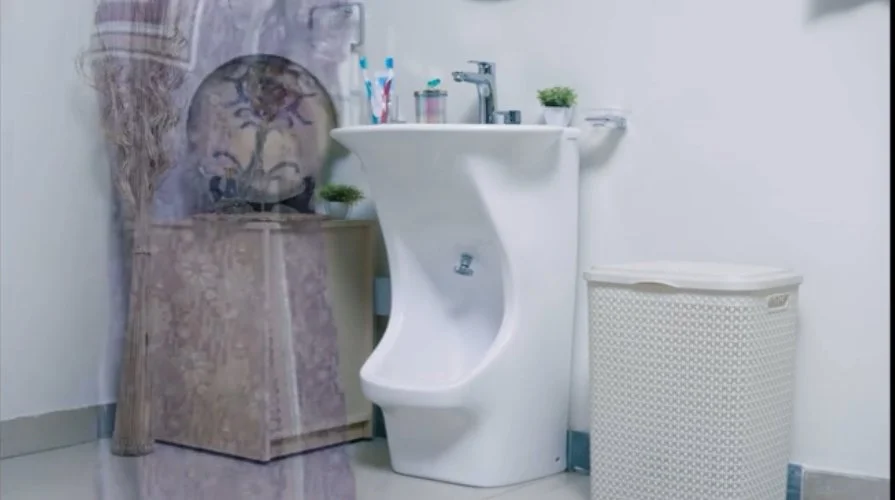
Modern Islamic infrastructure is rapidly evolving as architects, engineers, and manufacturers adopt advanced materials to improve hygiene, durability, and long-term performance in ablution areas. Mosques, Islamic centers, airports, and public prayer facilities require washing systems that can withstand continuous daily use while maintaining high aesthetic and functional standards. This has driven innovation in both material science and product engineering.
Today, material selection is no longer limited to traditional ceramic or stone options. Instead, engineered surfaces and hybrid composites are redefining how ablution systems are designed and manufactured. A well-developed Muslim Basin now integrates advanced materials that enhance performance, reduce maintenance costs, and support modern architectural requirements.
Table of Contents
ToggleEvolution of Materials in Ablution System Design
Historically, ablution areas were constructed using ceramic tiles, marble, or concrete-based basins. While these materials were widely available, they often presented challenges such as cracking, staining, and difficult maintenance over time.
Modern material innovation focuses on solving these issues through:
- Improved structural strength and flexibility
- Enhanced resistance to water and chemicals
- Seamless construction to improve hygiene
- Longer lifecycle performance with reduced repair needs
These advancements have significantly improved the quality and reliability of modern basin systems.
Solid Surface Technology in Modern Basin Construction
One of the most significant innovations in recent years is solid surface technology. This engineered material is widely used in contemporary ablution systems due to its balance of durability, hygiene, and design flexibility.
Key properties include:
- Non-porous structure that prevents water absorption
- Seamless fabrication without visible joints
- High resistance to stains and microbial growth
- Easy surface repair and refinishing capability
These features make solid surface materials particularly suitable for high-traffic mosque environments where hygiene and durability are critical.
Advanced Composite Materials for Durability
In addition to solid surface technology, advanced composite materials are increasingly being used in basin construction. These materials combine resins, minerals, and performance additives to create strong and lightweight structures.
Benefits include:
- High impact resistance for heavy daily usage
- Lightweight structure for easier installation
- Thermal stability in varying environmental conditions
- Long-term resistance to surface degradation
Such materials are especially useful in large-scale public facilities and export-oriented construction projects.
Anti-Bacterial and Hygienic Surface Innovations
Hygiene is a fundamental requirement in ablution spaces, and material innovation plays a crucial role in maintaining cleanliness. Modern basin materials are designed to actively resist bacterial growth and contamination.
Key hygienic features include:
- Anti-bacterial surface treatments
- Non-porous finishes that reduce microbial buildup
- Seamless joints that eliminate dirt accumulation points
- Easy-to-clean surfaces requiring minimal chemical use
These improvements ensure safer and more sanitary environments for users.
Water-Resistant and Sustainable Material Engineering
Sustainability is becoming an increasingly important factor in modern construction. Ablution systems consume significant amounts of water daily, making efficient material performance essential.
Innovative materials support sustainability by:
- Reducing water absorption and waste
- Supporting optimized drainage design
- Extending product lifespan and reducing replacements
- Lowering maintenance-related water usage
These features align with global environmental goals and green building standards.
Design Flexibility Through Material Innovation
Modern materials allow architects to design more flexible and visually appealing ablution systems. Unlike traditional materials, engineered surfaces can be shaped and customized for different architectural needs.
Design advantages include:
- Custom shapes for diverse mosque layouts
- Seamless multi-user basin configurations
- Smooth integration with modern interior design
- Consistent color and texture across large installations
This flexibility enhances both functionality and architectural harmony.
Performance in High-Traffic Environments
Muslim basin systems are used frequently throughout the day, especially during prayer times, requiring materials that can withstand continuous stress.
High-performance materials offer:
- Resistance to heavy impact and wear
- Stable performance under constant water exposure
- Long service life with minimal maintenance
- Reliable structural integrity in public spaces
These qualities are essential for mosques, airports, and large Islamic centers.
Export Market Demand for Advanced Materials
Material innovation is a key driver of competitiveness in global export markets. Buyers in regions such as the Middle East, Southeast Asia, and Africa increasingly prioritize long-lasting and hygienic solutions.
Export advantages include:
- Compliance with international construction standards
- Suitability for large-scale mosque infrastructure projects
- High demand for modern and sustainable designs
- Strong appeal to architects and government tenders
Manufacturers that highlight material innovation gain a clear advantage in global procurement processes.
Marketing Strategies for International Growth
To effectively reach global buyers, manufacturers must emphasize the technical advantages of their materials in marketing campaigns. Decision-makers in construction projects rely heavily on performance data and product reliability.
Effective strategies include:
- SEO-focused content targeting mosque and ablution infrastructure keywords
- Technical brochures highlighting material composition and benefits
- Case studies showcasing real-world installations
- B2B platform listings and international trade engagement
These approaches help build credibility and improve export opportunities.
Conclusion
Material innovation is transforming modern Muslim basin construction by improving hygiene, durability, sustainability, and design flexibility. As global demand for advanced Islamic infrastructure continues to grow, engineered materials such as solid surface and composite technologies are becoming essential components of modern ablution systems. A well-designed Muslim Basin reflects this progress by combining advanced material science with functional architectural design. Manufacturers and exporters who invest in material innovation are well-positioned to succeed in the expanding international market for Islamic facility infrastructure.


