Industrial machinery operates in a wide range of environments, from dusty construction sites and outdoor agricultural fields to controlled manufacturing facilities. Each setting creates different challenges for equipment components, particularly those responsible for preventing fluid leakage and protecting moving parts. Sealing solutions are essential for maintaining equipment efficiency, reducing contamination, and supporting reliable operation under demanding working conditions.
Across these industries, DMS Seals represent an important category of sealing components used in applications where dependable fluid retention and equipment protection are required. Selecting suitable seals depends on machinery design, operating pressure, temperature, movement, and exposure to environmental contaminants. Understanding their applications in construction, agriculture, and manufacturing helps equipment operators make better maintenance and component-selection decisions.
Why Industrial Seals Are Important Across Different Industries
Industrial seals create barriers between components to control the movement of liquids, gases, and contaminants. They are used in static connections as well as moving assemblies, including hydraulic cylinders, pumps, motors, valves, and rotating shafts.
Their importance extends beyond preventing leakage. Properly selected seals can help:
- Maintain hydraulic and pneumatic pressure.
- Prevent lubricants and operating fluids from escaping.
- Keep dust, dirt, and moisture away from sensitive components.
- Reduce wear caused by contamination.
- Support smooth movement in mechanical assemblies.
- Minimize equipment maintenance and unexpected downtime.
Although these functions are common across industries, the specific requirements differ depending on the machinery and its working environment.
Applications of DMS Seals in the Construction Industry
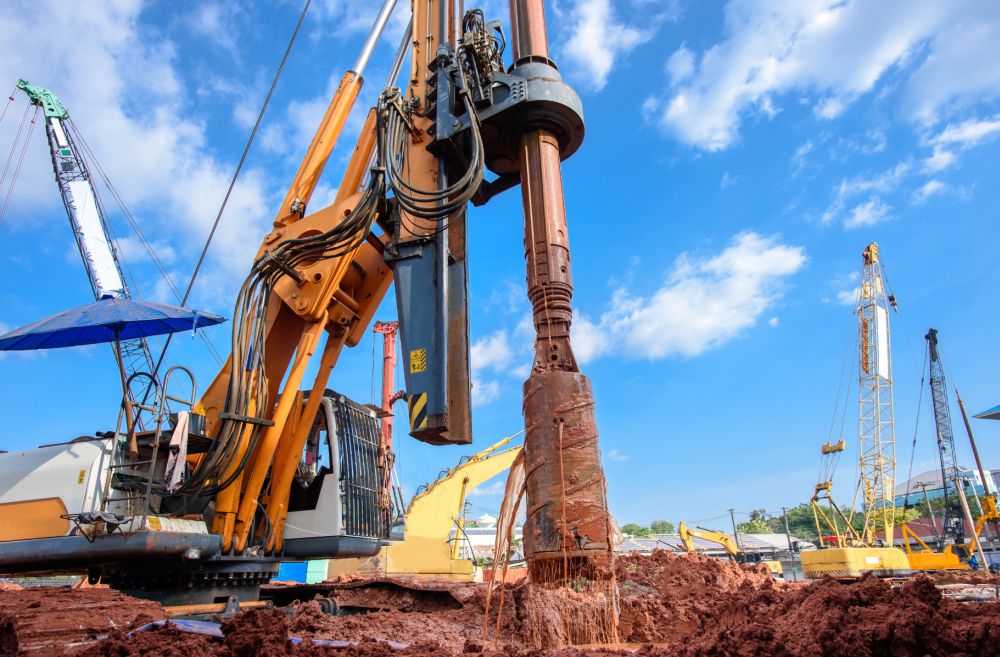
Construction equipment frequently operates under heavy loads, repeated movement, vibration, and exposure to dust, mud, and moisture. Machinery must perform reliably in environments where operating conditions can change throughout the working day.
Sealing components help protect hydraulic and mechanical systems from these demanding conditions.
Hydraulic Excavators
Excavators use hydraulic cylinders to control the boom, arm, and bucket. These cylinders depend on effective sealing to maintain fluid pressure and generate the force needed for digging and lifting.
Piston seals help prevent fluid from bypassing between cylinder chambers, while rod seals limit leakage around moving piston rods. Wiper seals remove dirt and other contaminants from exposed rod surfaces as they retract.
Damaged or unsuitable seals can cause pressure loss, reduced lifting performance, and hydraulic fluid leakage.
Bulldozers and Earthmoving Machinery
Bulldozers work in environments involving soil, rocks, dust, and heavy mechanical loads. Their hydraulic systems operate attachments and blade-control mechanisms that require consistent pressure.
Seals help retain hydraulic fluid and protect internal components from contamination. Wiper elements are particularly important because exposed moving surfaces can collect abrasive particles during earthmoving operations.
Wheel Loaders and Skid Steer Loaders
Wheel loaders and skid steer loaders use hydraulic systems to lift materials, operate buckets, and control attachments. Their repeated lifting and movement cycles place ongoing demands on hydraulic sealing components.
Suitable seals help maintain cylinder performance and reduce fluid leakage during frequent operation. Material selection should account for pressure, temperature, movement frequency, and the condition of exposed surfaces.
Cranes and Lifting Equipment
Mobile cranes and other lifting machines rely on hydraulic systems to extend booms, operate stabilizers, and control lifting mechanisms. These applications require dependable pressure management because inconsistent hydraulic performance can affect equipment operation.
Appropriate sealing arrangements help maintain hydraulic system integrity and reduce the likelihood of fluid loss during demanding lifting tasks.
Applications in the Agriculture Industry
Agricultural machinery operates in outdoor environments where dust, soil, moisture, plant residue, and changing temperatures can affect equipment performance. Many agricultural machines also rely on hydraulic systems for lifting, steering, positioning, and attachment control.
Sealing components help protect these systems and support reliable operation throughout seasonal workloads.
Tractors and Hydraulic Implements
Tractors use hydraulic systems to operate three-point hitches, front loaders, steering mechanisms, and other attachments. These systems experience repeated pressure changes and movement during everyday agricultural tasks.
Hydraulic seals help maintain pressure inside cylinders and prevent fluid leakage around moving parts. Suitable materials and designs can support consistent operation when tractors are used for extended periods.
Harvesting Machinery
Combine harvesters and other harvesting machines contain hydraulic and mechanical assemblies that operate in dusty fields. Crop residue and airborne particles can reach exposed components, increasing the risk of contamination.
Wiper seals and protective sealing arrangements help reduce the entry of dirt around moving rods and shafts. This protection can help limit abrasive wear and support the reliable operation of harvesting equipment.
Irrigation Systems and Agricultural Pumps
Agricultural irrigation systems use pumps, valves, and connected equipment to move water across fields and growing areas. Seals help prevent leakage around rotating shafts, pump housings, and other connection points.
The material must be compatible with the fluid and operating conditions. Applications involving treated water, fertilizers, or cleaning chemicals may require additional attention to chemical compatibility.
Sprayers and Fertilizer Equipment
Agricultural sprayers and fertilizer application machines often contain pumps, valves, and pressurized fluid systems. Their seals may come into contact with water, agricultural chemicals, oils, or other substances.
Selecting suitable materials is important because chemical incompatibility can cause swelling, hardening, cracking, or loss of sealing effectiveness. Regular inspection also helps identify deterioration before it affects application accuracy or equipment operation.
Applications in the Manufacturing Industry
Manufacturing facilities depend on machinery that can operate consistently across repeated production cycles. Equipment may run for extended hours and involve hydraulic pressure, pneumatic movement, rotating components, heat, and contact with industrial fluids.
Sealing solutions help maintain equipment performance while protecting internal systems from leakage and contamination.
Hydraulic Presses and Industrial Machines
Hydraulic presses use pressurized fluid to generate force for forming, shaping, compressing, and other manufacturing processes. Their cylinders and hydraulic connections require effective sealing to maintain operating pressure.
Piston seals, rod seals, and static seals are commonly used in these systems. Their selection depends on pressure levels, movement speed, temperature, and the hydraulic fluid involved.
Pumps and Motors
Industrial pumps and motors are used to move liquids, circulate lubricants, and power mechanical systems. Rotary shaft seals help retain lubricants and reduce the entry of contaminants around rotating components.
The correct seal design must account for shaft speed, surface finish, temperature, lubrication, and fluid compatibility. Poor selection can contribute to leakage, friction, and premature component wear.
Automated Production Equipment
Automated manufacturing lines use pneumatic cylinders, hydraulic actuators, robotic equipment, and positioning systems. These components often perform repeated movements with high operating frequency.
Seals help maintain pressure and support predictable movement in actuators and other mechanical assemblies. Low-friction materials may be useful in applications where smooth movement and reduced mechanical resistance are important.
Food and Beverage Processing Equipment
Food and beverage manufacturing requires equipment designed around strict hygiene and cleaning procedures. Pumps, valves, mixers, and processing machinery may expose sealing components to water, cleaning agents, heat, and process fluids.
Seal selection must consider chemical compatibility, temperature, cleaning methods, and applicable industry requirements. Materials intended for food-contact applications should meet the relevant regulatory and manufacturer specifications.
Choosing the Right Seal for Each Industrial Application
Different industries have different sealing requirements, so one material or design cannot be suitable for every machine. Selection should begin with a detailed assessment of the equipment and its working environment.
Important considerations include:
Operating Pressure
Hydraulic and pneumatic systems may experience continuous pressure, sudden pressure changes, or repeated pressure cycles. The selected seal must be appropriate for the application’s operating limits and equipment clearances.
Temperature Range
High temperatures can accelerate material aging, while low temperatures may reduce flexibility. Buyers should consider normal operating temperatures as well as temporary temperature changes during startup, shutdown, or heavy operation.
Fluid and Chemical Compatibility
Seals may come into contact with hydraulic oils, lubricants, water, fuels, cleaning agents, or agricultural chemicals. Material compatibility should be verified to prevent swelling, shrinking, or deterioration.
Movement and Friction
Static, reciprocating, and rotary applications require different sealing arrangements. Movement speed, frequency, lubrication, and surface finish can influence wear and friction.
Environmental Exposure
Construction and agricultural machinery often operate in dusty or wet conditions. Manufacturing equipment may face heat, process chemicals, or frequent cleaning. Protective elements such as wiper seals can help address contamination risks.
Common Seal Types Used in Industrial Machinery
Understanding common seal designs makes it easier to identify components suited to particular applications.
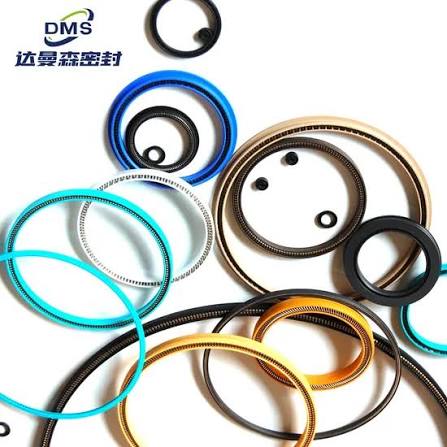
- O-rings: Used in many static connections and selected dynamic applications to prevent leakage between mating surfaces.
- Rod seals: Prevent hydraulic or pneumatic fluid from escaping around moving rods.
- Piston seals: Help maintain pressure between chambers in cylinders.
- Wiper seals: Remove dirt, moisture, and debris from exposed moving surfaces.
- Rotary shaft seals: Retain lubricants and help prevent contaminants from entering rotating equipment.
- Backup rings: Provide additional support in suitable high-pressure applications to reduce the risk of seal extrusion.
The final choice should be based on equipment specifications and the operating conditions rather than the seal category alone.
Maintenance Practices That Support Long-Term Performance
Regular maintenance helps identify seal deterioration before it causes significant equipment problems. Inspection procedures should reflect the machinery’s operating environment and workload.
Useful practices include:
- Inspect hydraulic cylinders, pumps, and connections for visible leakage.
- Check exposed rods and shafts for scratches, corrosion, and surface damage.
- Keep hydraulic fluids and lubricants clean.
- Replace filters according to equipment maintenance schedules.
- Monitor operating temperature and pressure.
- Check seals for cracking, swelling, hardening, or deformation.
- Replace damaged components using the correct specifications and installation procedures.
Construction and agricultural machinery may require more frequent checks because of outdoor exposure and contamination. Manufacturing equipment may need scheduled inspections based on production hours and operating cycles.
Conclusion
Sealing components support reliable performance in construction, agriculture, and manufacturing by helping prevent leakage, maintain pressure, and protect machinery from contaminants. Their applications range from hydraulic cylinders in excavators and tractors to pumps, presses, and automated production equipment.
Choosing the right seal requires careful consideration of pressure, temperature, material compatibility, movement, and environmental exposure. When appropriate components are combined with correct installation and regular maintenance, industrial operators can reduce premature wear, limit downtime, and support more dependable equipment operation.