Early detection plays an important role in controlling infectious diseases, guiding treatment decisions, and reducing the risk of further transmission. Many infections affect the respiratory tract, making specimen collection an essential part of the diagnostic process. Swab-based testing offers a practical way to obtain biological samples that can be analyzed for specific viruses, bacteria, or other infectious agents.
By collecting material from locations such as the nose, throat, or other affected areas, healthcare professionals can obtain specimens for different diagnostic methods. A Diagnostic Swab Test can support the identification of targeted pathogens when used with a compatible and properly validated testing system. These tests are valuable in clinical facilities, community screening programs, and certain approved home-testing situations.
What Is a Diagnostic Swab Test?
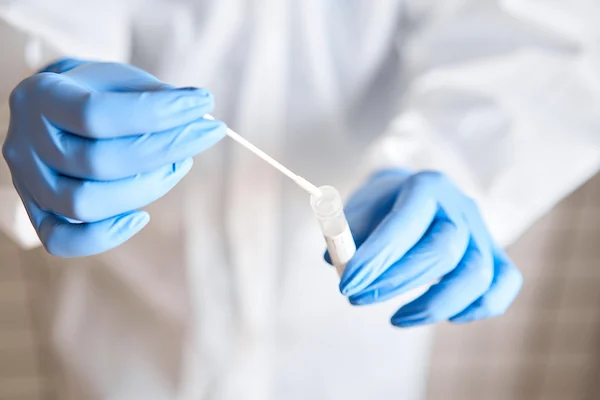
A diagnostic swab test is a specimen collection and testing method used to investigate the presence of infectious agents. A sterile swab is used to collect material from a specific body site, such as the nasal cavity, throat, or a wound. The sample is then processed using an appropriate diagnostic technique.
Depending on the test, detection may involve identifying pathogen proteins, genetic material, or other biological markers. Common methods include:
- Antigen testing: Detects specific proteins associated with a pathogen and may provide results relatively quickly.
- Molecular testing: Identifies genetic material from an infectious agent and can offer high analytical sensitivity.
- Culture-based testing: Attempts to grow microorganisms from a collected specimen to help identify the organism and, in some cases, assess antimicrobial susceptibility.
Each method has different requirements, advantages, and limitations. The appropriate approach depends on the suspected infection and the clinical purpose of testing.
How Swab Testing Helps Detect Infections Early
Swab-based diagnostics can help identify infections before symptoms become severe or complications develop. Their usefulness depends on collecting an appropriate specimen and selecting a test capable of detecting the target pathogen.
Identifying Pathogens at an Early Stage
Some infectious diseases initially cause symptoms that resemble common illnesses. A patient with fever, coughing, sore throat, or nasal congestion may have several possible infections.
Swab testing can help distinguish between these conditions by checking for specific pathogens. This information supports more informed decisions about treatment, isolation, and additional medical evaluation.
Supporting Timely Clinical Decisions
When a suitable rapid test is available, healthcare providers may receive preliminary diagnostic information without waiting for a longer laboratory process. This can help guide immediate decisions, although further testing may be necessary when results are inconclusive or inconsistent with the clinical picture.
Helping Reduce Disease Transmission
Identifying an infectious disease can help individuals and healthcare facilities take appropriate precautions. Depending on the pathogen, these measures may include isolation, protective equipment, hygiene practices, or contact management.
Supporting Screening Programs
Swab tests can be used in organized screening programs where identifying infections early is important. Their relatively straightforward collection procedures can make them useful in hospitals, workplaces, schools, and community healthcare settings.
Common Types of Diagnostic Swab Samples
Different infections affect different parts of the body, so specimen collection methods vary. The collection site should always match the requirements of the selected diagnostic test.
Nasal Swabs
Nasal swabs collect specimens from inside the nostrils. Anterior nasal sampling focuses on the front section of the nasal cavity, while nasopharyngeal sampling reaches deeper into the nasal passage.
These methods are commonly used in selected respiratory infection tests, including certain COVID-19 and influenza diagnostics.
Throat Swabs
Throat swabs collect material from areas such as the tonsils and back of the throat. They may be used to investigate infections caused by particular bacteria or viruses.
Proper technique is important because touching unrelated areas of the mouth can contaminate the sample or reduce its suitability.
Nasopharyngeal Swabs
Nasopharyngeal collection obtains a specimen from the upper part of the throat behind the nasal cavity. It may be used in diagnostic procedures for respiratory pathogens, depending on the test’s validated specimen requirements.
Because this method involves deeper insertion, it is generally performed by trained personnel when required.
Wound Swabs
Wound swabs may be collected to investigate suspected local bacterial infections. The sampling method depends on the wound’s condition and the clinical question. In some cases, other specimen types may provide more useful information than a superficial swab.
Infectious Diseases That May Be Investigated Through Swab Testing
Swab-based testing is used across several areas of infectious disease diagnosis. The specific pathogens detectable depend on the technology and intended use of each product.
| Infection or Disease | Potential Testing Application |
|---|---|
| COVID-19 | Detection of SARS-CoV-2 antigens or genetic material |
| Influenza | Identification of influenza A or B |
| Respiratory syncytial virus | Detection of RSV in appropriate respiratory specimens |
| Streptococcal throat infection | Investigation of group A Streptococcus |
| Selected wound infections | Collection of specimens for microbiological analysis |
Not every swab test detects every pathogen. Users should review the product’s intended use and approved specimen types before testing.
Factors That Influence Diagnostic Accuracy
A swab test’s performance depends on more than the technology used to analyze the sample. Collection quality, timing, handling, and interpretation can all affect the final result.
Proper Specimen Collection
The swab must reach the correct sampling location and collect an adequate amount of material. Incorrect insertion depth, insufficient contact, or poor technique may produce an unsuitable specimen.
Timing of Testing
The amount of detectable pathogen material can change throughout an infection. Testing too early or too late may affect the likelihood of detection, depending on the disease and diagnostic method.
Storage and Transportation
Some specimens need to be processed immediately, while others can be stored or transported under specified conditions. Temperature, storage duration, and transport media may influence sample integrity.
Test Sensitivity and Specificity
Sensitivity describes how effectively a test identifies people who have the target condition, while specificity describes how effectively it identifies people who do not. These performance characteristics should be considered alongside the test’s intended use and clinical context.
Result Interpretation
A positive result may indicate the presence of the target pathogen, but its meaning depends on the test and the individual’s circumstances. A negative result does not always exclude infection, particularly when symptoms or exposure history suggest otherwise.
Rapid Swab Tests and Laboratory-Based Diagnostics
Rapid and laboratory-based swab tests serve different purposes. Understanding their differences helps users and healthcare professionals select an appropriate diagnostic approach.
Rapid antigen tests detect pathogen proteins and are designed to provide results within a relatively short period. They are often useful when quick screening information is needed, although their sensitivity can vary with pathogen levels and testing conditions.
Molecular tests, including PCR-based methods, detect genetic material. They can identify low levels of target material in suitable specimens but may require laboratory equipment, trained personnel, and additional processing time.
Culture-based methods can help identify viable microorganisms and may support further investigation, such as antimicrobial susceptibility testing. However, they generally take longer than rapid diagnostic methods.
No single approach is ideal for every situation. Clinical needs, available resources, and the suspected infection should guide test selection.
Benefits of Diagnostic Swab Testing in Healthcare
Swab-based diagnostics offer several practical benefits when appropriately selected and performed.
- Accessible specimen collection: Many swab procedures are relatively simple and can be performed in different healthcare environments.
- Support for early identification: Testing can help identify specific pathogens and inform timely clinical decisions.
- Flexible diagnostic applications: Different swab types can be used for respiratory, throat, and wound-related investigations.
- Compatibility with multiple technologies: Swab specimens can support antigen, molecular, and microbiological testing when validated for the relevant method.
- Potential to support infection control: Timely identification can help healthcare teams implement appropriate precautions.
These benefits depend on using suitable collection materials and following the instructions established for each diagnostic system.
Best Practices for Reliable Swab Testing
Consistent procedures help reduce collection errors and improve the usefulness of diagnostic results. Healthcare facilities and individuals using approved self-tests should observe several basic practices.
- Check the test instructions: Confirm the intended specimen type, collection site, and testing procedure.
- Use sterile collection materials: Avoid using damaged, expired, or unsuitable swabs.
- Follow the correct sampling technique: Collect the specimen from the specified location using the recommended method.
- Prevent contamination: Avoid touching the swab tip or placing it on unclean surfaces.
- Observe handling requirements: Follow instructions for extraction, storage, transportation, and processing.
- Interpret results carefully: Consider symptoms, exposure history, and the possibility that additional testing may be needed.
When symptoms persist despite a negative result, individuals should consult a healthcare professional about whether repeat or confirmatory testing is appropriate.
Conclusion
Diagnostic swab tests are important tools for identifying infectious diseases and supporting early healthcare responses. By collecting specimens from appropriate body sites, these methods allow antigen, molecular, and other diagnostic technologies to detect specific pathogens.
Their effectiveness relies on proper specimen collection, suitable test selection, and accurate result interpretation. When integrated into appropriate clinical and screening procedures, swab-based diagnostics can support timely decisions, improve infection control, and contribute to better management of infectious diseases.