
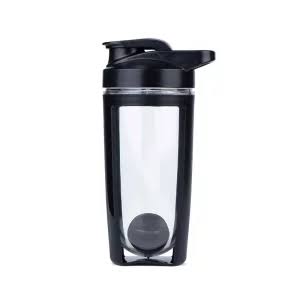
Packaging and product safety are two essential considerations in the drinkware industry. Whether a business sells reusable water bottles, insulated tumblers, travel mugs, glass cups, or promotional drinkware, every product must be protected during transportation and suitable for its intended use. Poor packaging can lead to scratches, breakage, contamination, or damaged components, while inadequate product safety measures can create risks for consumers and damage brand reputation.
A reliable Drinkware Manufacturer must consider product safety and packaging throughout the manufacturing process, from material selection and component production to final inspection and shipment preparation. These responsibilities help ensure that products reach customers in good condition and meet relevant quality expectations.
Understanding how packaging and safety work together can help retailers, distributors, wholesalers, and private-label businesses make better sourcing decisions.
1. Why Product Safety Matters in Drinkware Manufacturing
Drinkware products come into direct contact with beverages, making material safety particularly important. Customers expect bottles, cups, and tumblers to be suitable for their intended beverages without introducing unwanted substances or affecting taste and quality.
Manufacturers must consider the properties of each material and its suitability for food-contact applications.
For example, stainless steel, glass, plastics, silicone, and ceramic materials have different manufacturing and testing requirements. The selected material should be appropriate for the product’s intended temperature range, usage conditions, and cleaning methods.
Product safety also involves the design of lids, seals, handles, and other components. A poorly fitted closure may cause leakage, while unsuitable coatings or damaged surfaces may affect product performance.
2. Selecting Appropriate Food-Contact Materials
Material selection is one of the first steps in developing safe drinkware.
Manufacturers should evaluate material composition, intended use, temperature exposure, and applicable regulatory requirements before approving materials for production.
Common drinkware materials include:
- Stainless steel: Frequently used for reusable bottles and insulated tumblers because of its strength and corrosion resistance.
- Glass: Suitable for many beverage applications and valued for its nonporous surface, although it requires appropriate handling and protective packaging.
- Plastic: Used for lightweight bottles and cups, with material selection depending on the intended application.
- Silicone: Commonly used for seals, grips, sleeves, and flexible components.
- Ceramic: Often used for coffee mugs and other beverage containers, with attention to glaze and decoration safety.
Businesses should request material specifications and relevant food-contact documentation rather than relying on general descriptions such as food-grade or premium quality.
3. Understanding Food-Contact Compliance Requirements
Drinkware intended for commercial sale may need to comply with food-contact regulations in its destination market.
Requirements can vary depending on the product material, beverage type, temperature conditions, coatings, and intended use.
For example, businesses selling products in the European Union should consider applicable food-contact legislation, including relevant requirements for materials such as plastics and ceramics. Products entering the United States may also need to meet applicable FDA requirements for their intended food-contact use.
Manufacturers and buyers should identify the relevant market requirements before production begins.
Useful documentation may include:
- Material declarations
- Food-contact compliance statements
- Migration test reports
- Chemical composition information
- Coating and surface treatment details
- Relevant product test results
A certificate or test report should always be checked for its scope, validity, and relevance to the actual product being purchased.
4. Preventing Contamination During Production
Product safety does not depend only on the materials used. Manufacturing conditions and handling procedures also influence the cleanliness of finished drinkware.
Dust, oil residues, processing particles, and other contaminants may affect products if production and handling areas are not properly controlled.
Manufacturers can reduce these risks through organized production practices, including:
- Keeping work areas clean and maintained
- Controlling material storage conditions
- Using appropriate handling procedures
- Cleaning products after relevant manufacturing operations
- Protecting finished items from contamination
- Inspecting products before packaging
Cleaning requirements should be appropriate for the material and manufacturing process. Products should also be dry and properly protected before they are placed in their final packaging.
5. Why Packaging Is Essential for Product Protection
Packaging serves as a protective barrier between drinkware and the external environment during storage and transportation.
Without suitable packaging, products may experience scratches, dents, cracks, broken components, or surface damage.
The level of protection required depends on the product’s material, shape, weight, and shipping conditions.
For example, glass cups may need individual protective compartments, while stainless steel bottles may require surface protection to prevent scratches. Products with protruding handles or delicate accessories may need specially designed inserts.
Effective packaging helps reduce product damage, replacement costs, customer complaints, and unnecessary transportation waste.
6. Choosing the Right Packaging Materials
Different packaging materials provide different levels of protection.
Manufacturers should select packaging based on product characteristics and expected transportation conditions.
Common options include:
Corrugated Cardboard
Corrugated cartons are widely used for shipping because they provide structural protection and can be designed in different sizes and strengths.
Molded Paper Inserts
Molded paper inserts help hold products in position and reduce movement inside packaging. They can be useful for certain bottles, cups, and glass products.
Foam Inserts
Foam inserts provide cushioning for products that require additional impact protection. Their suitability should be considered alongside environmental and disposal requirements.
Paper Sleeves and Protective Wraps
Paper-based wraps and sleeves can help prevent surface contact and minor scratches during handling and storage.
Plastic Protective Bags
Protective bags can help keep products clean and separate components during packing. The selected material should be appropriate for the product and any applicable packaging requirements.
The goal is to select packaging that provides sufficient protection without creating unnecessary material use or excessive shipping weight.
7. Preventing Damage During Transportation
Transportation exposes drinkware to vibration, stacking pressure, handling impacts, and changes in storage conditions.
Packaging should therefore be designed to protect products throughout the expected shipping journey.
Manufacturers may use several protective measures:
- Separating individual products with suitable inserts
- Preventing movement inside cartons
- Protecting vulnerable lids and accessories
- Using appropriate carton strength
- Securing cartons for palletized shipments
- Labeling fragile shipments where necessary
Packaging performance should be evaluated according to the product’s risk profile and shipping method.
For products that are particularly vulnerable to damage, businesses may request packaging tests or conduct trial shipments before placing larger orders.
8. Designing Packaging for Different Drinkware Types
Packaging requirements vary significantly across drinkware categories.
Stainless steel bottles and tumblers: These products often need surface protection to prevent scratches, dents, and damage to coatings. Lids and accessories should be secured separately when necessary.
Glass bottles and cups: Fragile products require cushioning and individual separation to reduce the risk of breakage. Dividers and fitted inserts can help keep items stable.
Ceramic mugs: Handles are particularly vulnerable to impact. Packaging should provide sufficient space and cushioning around these areas.
Plastic drinkware: Although many plastic products are less fragile than glass, they may still become scratched, deformed, or damaged under excessive pressure.
Insulated travel mugs: Packaging should protect both the outer surface and functional components, including lids, seals, and moving mechanisms.
A packaging solution designed for one product category may not provide adequate protection for another.
9. Quality Inspection Before Packaging
Final inspection helps identify defects before products enter storage or distribution.
Manufacturers should establish inspection procedures based on the product specifications and agreed quality standards.
Depending on the drinkware type, inspections may cover:
- Product dimensions and capacity
- Surface finish and appearance
- Cracks, dents, or scratches
- Lid alignment and closure performance
- Leakage resistance
- Insulation performance where applicable
- Component fit and functionality
- Cleanliness and packaging condition
Defective items should be separated from acceptable products and handled according to established quality procedures.
Packaging should only begin after the relevant inspection requirements have been completed.
10. Packaging Hygiene and Product Separation
Packaging should help preserve product cleanliness after manufacturing and final inspection.
Drinkware components may come into contact with packaging materials during storage and transportation. Therefore, packaging materials should be clean, suitable for their intended purpose, and stored under appropriate conditions.
Manufacturers should also consider how individual components are packed.
For example, removable straws, lids, and silicone accessories may need separate protective packaging to prevent scratches, loss, or contamination.
Clear packing procedures can reduce handling errors and help ensure that customers receive complete product sets.
11. Sustainable Packaging and Environmental Considerations
Sustainability is becoming an important consideration for drinkware brands and consumers.
Businesses may prefer packaging that reduces unnecessary material use while still providing adequate protection.
Possible approaches include:
- Using recyclable cardboard cartons
- Reducing excessive packaging layers
- Selecting responsibly sourced paper materials
- Using appropriately designed molded pulp inserts
- Choosing packaging sizes that minimize empty space
- Avoiding unnecessary plastic components where practical
However, sustainability should not come at the expense of product protection. If insufficient packaging leads to damaged goods and replacement shipments, the overall environmental impact may increase.
Manufacturers should balance material efficiency, recyclability, product safety, and transportation requirements.
12. The Role of Packaging in Brand Presentation
Packaging also influences how customers perceive a drinkware product.
For retail businesses and private-label brands, customized packaging can create a consistent visual identity and improve the overall purchasing experience.
Customization options may include:
- Printed product boxes
- Branded sleeves
- Custom labels
- Product information cards
- Care and cleaning instructions
- Gift packaging
- Custom-designed inserts
Businesses should ensure that packaging information accurately represents the product. Claims about insulation, materials, safety, and environmental benefits should be supported by appropriate evidence.
Good packaging combines visual appeal with clear information and reliable protection.
13. How Manufacturers Manage Packaging Costs
Packaging costs can influence the final product price, especially for businesses ordering large quantities.
Manufacturers need to consider material prices, packaging dimensions, printing requirements, assembly labor, and shipping weight.
Several strategies can help control expenses:
- Selecting packaging that fits the product accurately.
- Standardizing carton sizes where practical.
- Reducing unnecessary packaging components.
- Comparing suitable packaging material options.
- Planning packaging purchases alongside production schedules.
- Testing designs before ordering large quantities.
Buyers should request a clear breakdown of packaging expenses when comparing supplier quotations.
A lower packaging cost is not necessarily better if it increases the risk of product damage during shipment.
14. What Buyers Should Ask About Packaging and Safety
Before placing an order, businesses should discuss product safety and packaging requirements with the manufacturer.
Important questions include:
- Which materials are used in the drinkware?
- Can you provide relevant food-contact documentation?
- What product safety tests are performed?
- How are products cleaned and handled before packaging?
- Which packaging materials are available?
- How are fragile products protected?
- Can packaging be customized with our branding?
- Are packaging samples available for approval?
- How are defective products identified and separated?
- Can packaging be tested for the intended shipping conditions?
These questions help buyers understand the manufacturer’s procedures and identify potential gaps before production begins.
15. Building a Reliable Packaging and Safety Process
Packaging and product safety should be treated as connected responsibilities rather than separate activities.
A well-managed process begins with appropriate material selection and continues through manufacturing, inspection, cleaning, packing, and shipment preparation.
Manufacturers should maintain clear specifications and inspection records so that product requirements remain consistent across production batches.
Buyers can support this process by providing accurate product specifications, approving samples, confirming packaging requirements, and agreeing on acceptance criteria before mass production.
Regular communication is particularly important when products involve customized materials, special coatings, or complex packaging designs.
Conclusion
Packaging and product safety play an important role in successful drinkware manufacturing. Appropriate materials, controlled production conditions, relevant compliance documentation, and effective quality inspections help ensure that drinkware is suitable for its intended use.
Protective packaging adds another layer of reliability by reducing the risk of damage during storage and transportation. At the same time, well-designed packaging can support brand presentation and improve the customer experience.
Businesses sourcing drinkware should evaluate both areas before choosing a manufacturing partner. By confirming material specifications, reviewing safety documentation, inspecting samples, and discussing packaging requirements, buyers can reduce sourcing risks and build a more dependable supply process.


