Selecting a reliable LED flood light manufacturer involves more than comparing product prices and available designs. For importers, wholesalers, contractors, and commercial project developers, product quality directly affects lighting performance, electrical safety, energy consumption, and long-term maintenance costs. Understanding the relevant quality standards before purchasing can help businesses avoid unreliable products and make better sourcing decisions.
China has a large LED lighting manufacturing industry, offering buyers access to different product categories, technologies, and price ranges. However, quality standards and manufacturing practices can vary between companies. When evaluating a China led flood light supplier, buyers should examine certifications, testing documentation, component quality, and manufacturing procedures to determine whether the products meet their project requirements.
Why Quality Standards Matter for LED Flood Lights
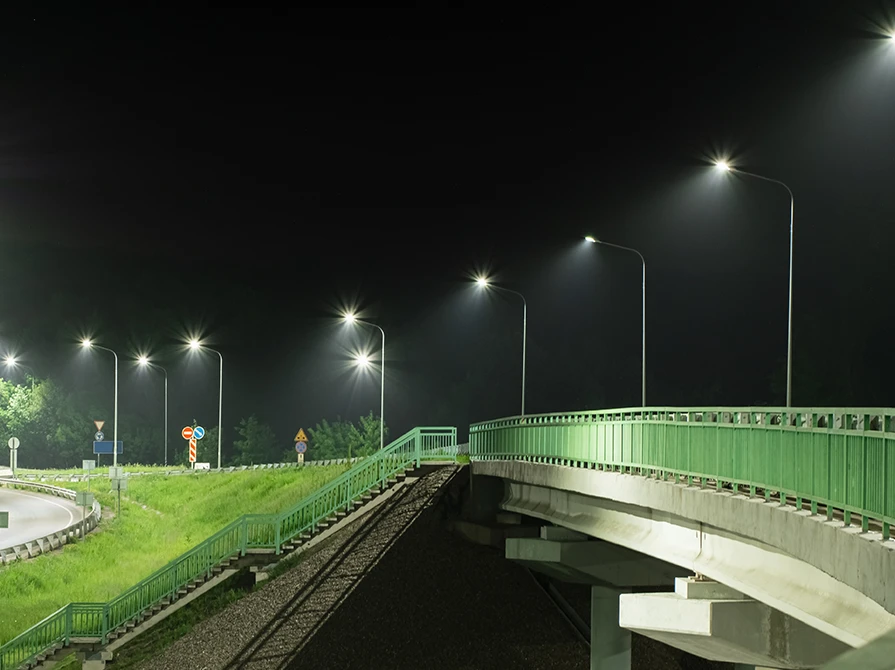
LED flood lights are commonly installed in demanding environments, including factories, warehouses, sports grounds, parking facilities, and outdoor commercial spaces. These applications often require lighting fixtures to operate for extended periods while handling dust, moisture, temperature changes, and electrical fluctuations.
Without appropriate quality controls, poorly manufactured products may experience premature failure, reduced brightness, overheating, or electrical problems.
Checking quality standards helps buyers assess whether a product has undergone relevant testing and whether its design is suitable for the intended application. It also makes supplier comparisons more objective and reduces the risk of unexpected costs after installation.
1. CE Marking and European Market Requirements
CE marking is an important consideration for LED flood lights intended for applicable European markets. It indicates that the manufacturer declares conformity with the relevant European Union requirements covering the product.
Depending on the product design and applicable legislation, electrical lighting equipment may need to comply with requirements relating to electrical safety, electromagnetic compatibility, and other relevant regulations.
Buyers should request the EU Declaration of Conformity and supporting technical documentation rather than relying only on a CE logo displayed on product packaging.
It is also important to understand that CE marking is generally based on the manufacturer’s conformity assessment and declaration. It should not automatically be interpreted as independent third-party certification.
2. RoHS Compliance for Environmental Safety
RoHS is another important standard to consider when sourcing LED flood lights for markets where restrictions on hazardous substances apply.
The Restriction of Hazardous Substances framework limits the use of certain substances in electrical and electronic equipment. These restrictions help reduce environmental and health risks associated with hazardous materials.
Ask the supplier for relevant RoHS compliance documentation or test reports covering the specific product model.
This is particularly important for businesses supplying lighting products to European customers or other markets with similar environmental requirements.
3. IP Ratings for Dust and Water Protection
Ingress Protection (IP) ratings indicate how effectively an electrical enclosure protects against solid objects and moisture.
For outdoor LED flood lights, IP protection is especially important because fixtures may be exposed to rain, dust, humidity, and changing weather conditions.
Common ratings include:
- IP65: Dust-tight protection and protection against water jets.
- IP66: Dust-tight protection and protection against powerful water jets.
- IP67: Dust-tight protection and temporary immersion protection under specified testing conditions.
The appropriate rating depends on the installation environment. For example, a standard outdoor parking area may have different protection requirements from an industrial location exposed to heavy water jets.
Request an IP test report and confirm that it applies to the complete fixture, including its housing, cable entries, seals, and assembled enclosure.
4. IEC Electrical Safety Standards
Electrical safety is essential when purchasing LED flood lights, particularly for commercial and industrial applications.
Relevant IEC standards help establish safety requirements for lighting equipment and its electrical components. One important reference is IEC 60598-1, which covers general requirements and tests for luminaires.
Depending on the product design, other applicable requirements may address insulation, grounding, electrical strength, temperature limits, and protection against electric shock.
Buyers should ask manufacturers which safety standards their products are designed and tested against.
Test reports from recognized laboratories can provide additional confidence that the lighting fixtures meet the required electrical safety criteria.
5. LM-79 Testing for Lighting Performance
LM-79 is an important testing method used to evaluate the electrical and photometric performance of solid-state lighting products.
It provides information about measurable characteristics such as:
- Total luminous flux.
- Electrical power consumption.
- Luminous efficacy.
- Color characteristics.
- Light distribution.
- Related photometric performance.
These measurements help buyers compare different LED flood lights using standardized testing information.
When reviewing an LM-79 report, confirm that the tested model matches the product being quoted. Differences in wattage, LED chips, drivers, or optical configurations may affect the results.
6. LM-80 Reports and LED Lifespan Evaluation
LED lifespan claims should be supported by relevant technical evidence rather than marketing statements alone.
LM-80 is a testing method used to measure lumen maintenance of LED packages, arrays, and modules over time under specified conditions.
It helps buyers understand how an LED light source maintains its light output during testing.
However, an LM-80 report does not independently establish the complete lifespan of an assembled LED flood light. Other components, including drivers, wiring, thermal management systems, and protective materials, also influence overall product reliability.
For a more complete assessment, ask whether the manufacturer can provide supporting information about the complete fixture’s design, operating conditions, and lifetime projections.
7. LED Driver Quality and Electrical Performance
The LED driver plays a major role in the safe and stable operation of a flood light. It converts incoming electrical power into the appropriate output required by the LED components.
An unreliable driver can cause flickering, unstable illumination, overheating, or premature product failure.
When evaluating a supplier, examine the driver’s specifications and request information about:
- Input voltage range.
- Power factor.
- Electrical efficiency.
- Surge protection.
- Overvoltage and overcurrent protection.
- Operating temperature.
- Applicable electrical safety compliance.
The driver should also be suitable for the electrical conditions in the destination market.
8. Thermal Management and Temperature Testing
Heat management is another important quality consideration because excessive operating temperatures can reduce LED performance and accelerate component degradation.
LED flood lights often use aluminum housings or dedicated heat sinks to transfer heat away from internal components.
A well-designed thermal management system helps maintain stable operating temperatures during extended use.
Ask suppliers whether they perform temperature-rise tests and whether their products have been evaluated under appropriate operating conditions.
It is also useful to examine the housing design, ventilation arrangements, and thermal contact between the LED board and heat-dissipation structure.
9. Surge Protection and Resistance to Electrical Fluctuations
Outdoor lighting installations can be exposed to electrical surges caused by lightning activity, switching operations, and fluctuations in power distribution systems.
Surge protection helps reduce the risk of damage to sensitive electronic components.
When comparing LED flood lights, ask about the driver’s surge protection rating and whether the product has undergone relevant surge immunity testing.
The required protection level depends on the installation location and electrical environment. Lighting fixtures installed in exposed outdoor areas may require additional protection compared with products used inside protected buildings.
Buyers should request relevant test documentation and confirm that the protection specifications match their project requirements.
10. Quality Management and Manufacturing Inspections
Product certifications are important, but consistent manufacturing practices are equally essential.
A manufacturer should maintain a structured quality management process covering raw materials, component assembly, production, and finished-product testing.
Ask whether the company follows an established quality management system, such as ISO 9001, and request evidence of its current certification where applicable.
You should also investigate the inspection procedures used during production.
Common quality control activities include:
- Incoming material inspections.
- LED chip and driver verification.
- Electrical performance testing.
- Aging and functional tests.
- Waterproofing inspections where applicable.
- Final product appearance and packaging checks.
These procedures help identify defects before products are shipped to international customers.
11. Color Consistency and Lighting Quality
Lighting quality involves more than brightness and energy efficiency. Color consistency is also important, especially when multiple fixtures are installed across a large area.
Two important specifications to review are correlated color temperature (CCT) and color rendering index (CRI).
CCT describes the visual appearance of white light, while CRI indicates how accurately colors appear under a light source compared with a reference.
For large installations, buyers should also consider LED color consistency and binning. Consistent color characteristics help maintain a uniform appearance across multiple fixtures.
Request photometric reports and confirm that the products meet the project’s lighting requirements.
How to Verify a Supplier’s Quality Claims
After identifying the relevant standards, buyers should verify whether the supplier can provide authentic and applicable documentation.
A practical verification process includes the following steps:
- Request certificates, declarations of conformity, and laboratory test reports.
- Confirm that the documents identify the correct manufacturer and product model.
- Check whether the testing laboratory is accredited for the relevant testing scope.
- Request product samples and inspect their construction and components.
- Compare technical datasheets with the actual product specifications.
- Arrange independent inspections before shipment for large orders.
Avoid accepting generic certificates that do not clearly identify the product being purchased. Documentation should be relevant, current where required, and consistent with the agreed specifications.
Questions to Ask Before Selecting a China LED Flood Light Supplier
Before placing an order, prepare a list of questions to help assess the manufacturer’s quality management and technical capabilities.
Consider asking:
- Which LED chip and driver brands are used?
- What IP rating does the complete fixture achieve?
- Can you provide LM-79 or other relevant photometric reports?
- Are applicable IEC electrical safety requirements addressed?
- What quality inspections are performed during production?
- Are samples available for independent testing?
- What warranty coverage is provided?
- Can a third-party inspection be arranged before shipment?
Clear answers to these questions can help distinguish manufacturers with documented quality procedures from suppliers relying mainly on promotional claims.
Conclusion
Quality standards play an important role in selecting LED flood lights for commercial, industrial, and outdoor applications. Certifications, IP ratings, electrical safety requirements, photometric testing, thermal management, and manufacturing inspections all provide useful information about product reliability.
For international buyers, checking these factors before placing an order can reduce procurement risks and help prevent unnecessary maintenance expenses.
Rather than relying solely on product prices or advertised lifespan claims, evaluate the supplier’s technical documentation, component quality, testing procedures, and after-sales support. A manufacturer that can provide transparent information and consistent quality controls is better positioned to support long-term lighting requirements and successful business partnerships.