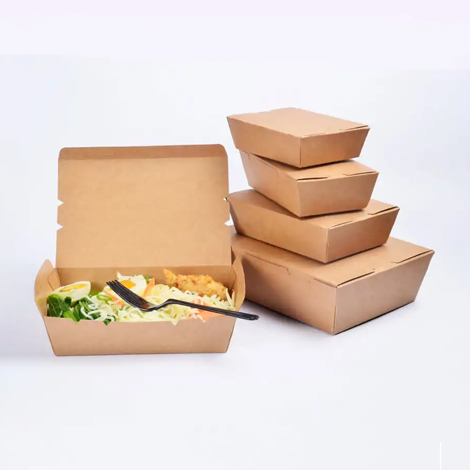
Food presentation plays an important role in creating a memorable dining experience. Even when customers order takeaway meals, the way food is arranged can influence their first impression and overall satisfaction. Restaurants are therefore paying more attention to packaging designs that keep meals organized while making individual ingredients look appealing.
One practical option is Cardboard Bento Boxes, which feature separate compartments for arranging different food items in one container. Their structured design gives restaurants an opportunity to present meals creatively while maintaining convenience for takeaway, catering, and delivery services.
1. Create Balanced Lunch Combinations
Restaurants can use compartment-based boxes to present complete lunch combinations in an organized way. A meal containing rice, grilled chicken, vegetables, and salad can be arranged in separate sections instead of being placed together.
This creates a balanced appearance and allows customers to identify each food component easily.
Businesses can also maintain consistent arrangements across similar menu items, helping establish a recognizable presentation style.
2. Highlight Different Colours and Textures
An attractive meal often includes ingredients with different colours, shapes, and textures. Restaurants can use separate compartments to make these differences more noticeable.
For example, colourful vegetables can be placed beside grilled proteins, while fresh salads can occupy another section. This arrangement creates visual contrast without requiring complicated decoration.
Food businesses should consider ingredient placement carefully so that each portion has enough space and remains visually appealing.
3. Present Healthy and Nutritionally Balanced Meals
Healthy meal options have become popular among customers looking for convenient food choices. Restaurants can use bento-style packaging to arrange different food groups in a clear and organized format.
A balanced meal might include:
- Whole grains or rice as the main portion.
- Grilled chicken, fish, tofu, or another protein.
- Fresh vegetables or cooked greens.
- A small portion of fruit or salad.
Separate compartments help maintain the appearance of each ingredient while making the meal easier to enjoy.
4. Design Attractive Asian-Inspired Meal Combinations
Bento-style presentation is particularly suitable for restaurants serving Asian-inspired cuisine. Japanese, Korean, and other Asian food menus often include several smaller dishes served together.
Restaurants can arrange rice, dumplings, vegetables, grilled items, and other side dishes in separate sections. This allows customers to enjoy a variety of flavours within one convenient package.
The arrangement can also reflect the restaurant’s menu identity without requiring additional serving containers.
5. Make Takeaway Meals Look More Professional
Takeaway packaging is often the first physical presentation customers see after placing an online order. A neat arrangement can help create a more professional impression.
Restaurants can establish simple packing guidelines that specify where different ingredients should be placed. Consistent portion arrangements can make meals look more organized across different orders.
Attention to small details, such as keeping sauces separate and avoiding overcrowded compartments, can improve the final appearance.
6. Use Separate Sections for Snacks and Side Dishes
Bento boxes are not limited to complete lunch or dinner meals. Restaurants can also use them to present smaller food combinations.
For example, cafés and quick-service restaurants can arrange sandwiches, fruit pieces, pastries, snacks, and other side items in separate sections.
This approach works well for customers who want variety without ordering several individual packages. It can also be useful for children’s meals and smaller catering portions.
7. Create Special Menus for Catering and Events
Catering businesses frequently prepare individual meals for meetings, corporate events, celebrations, and group gatherings. Packaging needs to be both practical and visually consistent.
Bento-style containers provide a structured format for arranging multiple dishes in individual portions. Restaurants can develop different meal combinations for various event requirements.
For example, a corporate lunch box might include a main dish, vegetable side, salad, and dessert. Keeping these items organized can make distribution easier and provide guests with a convenient serving arrangement.
8. Present Sauces and Condiments Separately
Sauces and dressings can influence both the taste and appearance of takeaway meals. When placed directly beside other ingredients, they may spread or make certain foods soggy.
Restaurants can use separate compartments for suitable condiments or include individual sealed sauce containers when additional leak protection is needed.
This is particularly helpful for salads, grilled meals, fried foods, and dishes that are intended to be combined immediately before eating.
It is important to remember that ordinary cardboard compartments are not necessarily liquid-tight, so packaging suitability should always be checked.
9. Match Meal Presentation with Restaurant Branding
Packaging can also support a restaurant’s visual identity. Businesses can select suitable box sizes and designs that complement their menu presentation and overall brand style.
Depending on the packaging specifications, custom printing or simple exterior branding may provide additional recognition.
However, branding should not distract from the food itself. The main objective should remain a clean, organized, and convenient presentation.
10. Experiment with Seasonal and Limited-Time Menus
Seasonal ingredients provide restaurants with opportunities to introduce creative meal combinations throughout the year.
For example, summer menus may feature fresh salads, vegetables, and chilled side portions, while winter combinations may include warm rice dishes, roasted vegetables, and other hearty foods.
Compartment-based packaging makes it easier to arrange these changing ingredients in a structured format. Restaurants can also introduce limited-time combinations without significantly changing their overall packaging approach.
11. Maintain Food Quality During Transportation
Creative presentation is only effective when food reaches customers in acceptable condition. Restaurants should therefore consider packaging performance alongside appearance.
The container must be suitable for the food’s temperature, moisture, and weight. Proper compartment sizing can reduce unnecessary movement, while secure closures help protect meals during transportation.
For foods containing sauces or excessive moisture, additional leak-resistant packaging may be necessary.
Conclusion
Cardboard bento-style packaging gives restaurants several opportunities to improve takeaway meal presentation. From balanced lunch combinations and colourful ingredient arrangements to catering portions and seasonal menus, compartment-based designs help businesses organize different foods in one convenient container.
By selecting appropriate box sizes, arranging ingredients thoughtfully, and considering food compatibility, restaurants can create attractive and practical meal presentations. A well-planned packaging approach supports a consistent customer experience while making takeaway meals easier to carry, serve, and enjoy.