The custom neon signage industry has grown significantly as businesses look for creative ways to improve brand visibility and attract customer attention. From restaurants and retail stores to offices, hotels, and entertainment venues, neon signs have become an effective visual communication tool. However, the quality and performance of these signs depend heavily on the expertise of the company producing them.
Choosing a professional Neon Sign Manufacturer requires looking beyond attractive designs and competitive prices. A reliable manufacturer combines technical knowledge, quality materials, advanced production methods, and customer-focused services to deliver signage that meets different business requirements. Understanding these qualities can help businesses identify a supplier capable of producing dependable and visually appealing custom signs.
Extensive Industry Experience and Technical Knowledge
One of the most important qualities that distinguish a professional manufacturer is industry experience. Companies with established manufacturing knowledge understand the technical and creative aspects of neon signage, allowing them to handle projects with different levels of complexity.
Experience also helps manufacturers identify suitable materials, lighting configurations, and construction methods for specific applications. Whether a customer needs a simple business name or a detailed illuminated logo, technical expertise plays an important role in achieving accurate results.
A manufacturer’s previous projects can provide useful evidence of its capabilities. Reviewing its portfolio helps businesses evaluate design variety, finishing quality, and consistency across different signage applications.
High-Quality Materials and Reliable Components
The materials used in neon sign production have a direct impact on durability, appearance, and performance. Professional manufacturers pay close attention to the quality of LED components, protective tubing, backing materials, electrical connections, and power supplies.
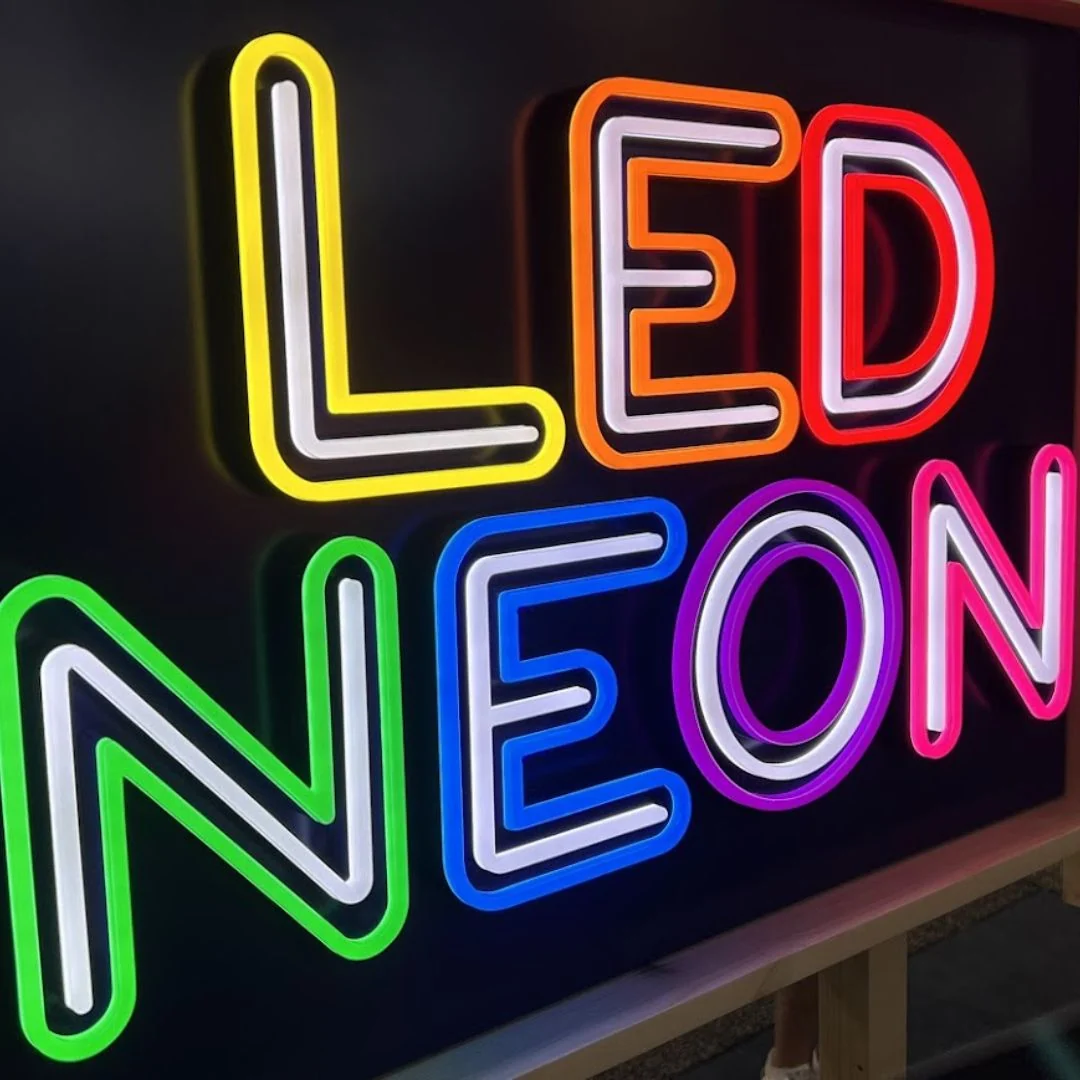
For modern LED neon signs, high-quality silicone or PVC housing can help protect the lighting elements while providing a smooth and consistent appearance. Reliable electrical components also contribute to stable illumination and safe operation.
Important quality considerations include:
- Consistent brightness throughout the sign.
- Durable materials suitable for the intended environment.
- Properly insulated wiring and secure electrical connections.
- Accurate color reproduction and clean finishing.
- Appropriate protection against dust and moisture where required.
Using dependable components helps reduce maintenance concerns and supports longer product life.
Advanced Manufacturing Technology
Modern production technology allows manufacturers to create more precise and detailed signage. Professional companies invest in suitable equipment and production processes to improve accuracy, efficiency, and consistency.
Digital design software, cutting equipment, bending tools, and quality inspection systems can help transform customer concepts into finished products. These technologies are particularly useful when producing complex lettering, custom logos, and distinctive shapes.
However, equipment alone does not guarantee excellent results. Skilled technicians and experienced production teams are equally important because they ensure that technology is used correctly throughout the manufacturing process.
Flexible Customization Capabilities
Every business has different branding requirements, which makes customization an essential service in the neon signage industry. A professional manufacturer should be capable of adapting designs to match specific business identities and installation requirements.
Customization may include different fonts, colors, dimensions, shapes, lighting effects, and backing materials. Manufacturers should also be able to work with customer-provided logos, artwork, and design references.
Some common customization possibilities include:
- Business names and illuminated logos.
- Decorative wall signs and interior displays.
- Restaurant and hospitality signage.
- Retail storefront lettering.
- Promotional and event signage.
- Personalized signs for commercial spaces.
The ability to accommodate different requirements demonstrates a manufacturer’s flexibility and understanding of customer needs.
Strong Quality Control Procedures
Quality control separates professional manufacturing operations from suppliers that focus primarily on production speed. Each sign should undergo appropriate inspections before packaging and delivery.
These inspections may include checking lighting consistency, electrical connections, structural stability, color accuracy, and overall finishing. Testing is particularly important for customized products because design complexity can introduce additional production challenges.
A professional manufacturer should also have procedures for identifying defects and correcting issues before products reach customers.
Consistent quality checks help businesses receive signage that matches the approved specifications and performs as expected.
Transparent Pricing and Clear Quotations
Pricing is another factor that influences purchasing decisions. Professional manufacturers provide clear quotations that explain the costs associated with materials, customization, production, and delivery.
Instead of offering an unclear total price, a reliable supplier should explain what is included in the quotation and identify any additional charges that may apply.
Businesses should compare manufacturers based on overall value rather than choosing the lowest offer automatically. Differences in component quality, finishing, warranty coverage, and customization services can significantly influence the long-term value of a neon sign.
Transparent pricing also helps establish trust and reduces the possibility of unexpected expenses during the ordering process.
Reliable Production and Delivery Management
Meeting production deadlines is essential for businesses working around opening dates, marketing campaigns, exhibitions, or renovation schedules.
Professional manufacturers establish realistic production timelines and communicate clearly about order progress. They should explain how long design approval, manufacturing, testing, and packaging are expected to take.
Packaging is equally important, particularly when signs are shipped over long distances. Proper protective materials can help minimize the risk of damage during transportation.
For international orders, customers should also confirm shipping arrangements, tracking availability, customs responsibilities, and estimated delivery schedules.
Effective Communication and Customer Support
Excellent customer service is another characteristic of a professional manufacturer. Clear communication helps ensure that customer expectations are understood before production begins.
A dependable supplier should respond to inquiries, explain technical specifications, provide design guidance, and keep customers informed throughout the manufacturing process.
After-sales support is equally valuable. Businesses should ask about warranty conditions, replacement components, technical assistance, and procedures for reporting product defects.
Manufacturers that maintain communication after completing an order demonstrate a stronger commitment to customer satisfaction.
Commitment to Energy Efficiency and Safety
Energy efficiency and electrical safety have become increasingly important considerations for commercial signage. LED neon technology offers several practical advantages, including relatively low power consumption, flexible designs, and reduced heat generation compared with traditional glass neon systems.
Nevertheless, performance depends on component quality and proper manufacturing. Professional manufacturers should use suitable power supplies, secure wiring, and appropriate electrical protection.
For outdoor installations, businesses should also check the product’s ingress protection rating and confirm that its construction is appropriate for local weather conditions.
These considerations help ensure that signage is suitable for its intended location and operating requirements.
A Strong Portfolio and Positive Industry Reputation
A manufacturer’s reputation provides additional insight into its professionalism. Companies with a history of completed projects and satisfied customers are often easier to evaluate than suppliers with limited public information.
Before placing an order, businesses should review:
- Previous commercial signage projects.
- Independent customer reviews and testimonials.
- Product photographs and design examples.
- Experience with similar customization requirements.
- Responsiveness to customer questions and concerns.
It is also useful to request references or examples of projects that closely match your intended signage application.
A strong portfolio demonstrates practical capabilities, while consistent customer feedback can help establish confidence in the manufacturer’s services.
Final Thoughts
A professional neon sign manufacturer stands out through a combination of technical expertise, quality materials, modern production methods, customization flexibility, and dependable customer service. These qualities contribute to signage that meets business requirements while maintaining consistent appearance and performance.
When comparing potential suppliers, businesses should evaluate more than pricing and design options. Reviewing manufacturing experience, quality control procedures, delivery capabilities, warranty conditions, and customer feedback can lead to a more informed decision.
Ultimately, choosing a manufacturer that prioritizes quality, transparency, and customer satisfaction can help businesses invest in custom neon signage that strengthens their visual identity and supports their long-term branding goals.