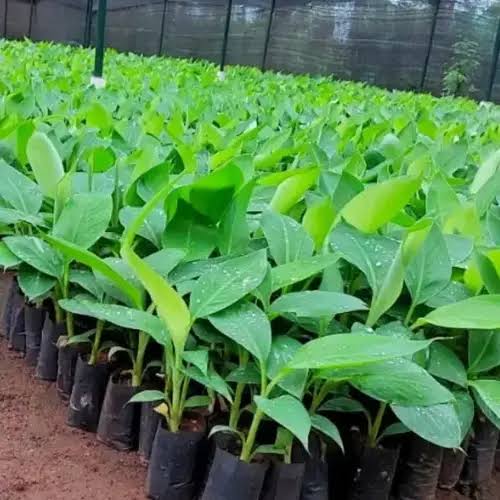
Gardening has become an increasingly popular way to improve living spaces, create relaxing outdoor environments, and add natural beauty to homes and commercial properties. As interest in different plant varieties grows, tissue culture propagation has become an important method for supplying healthy planting material. This technique allows plants to be multiplied under controlled laboratory conditions, providing growers with access to a wide selection of ornamental and agricultural varieties.
For people exploring Tissue Culture Plants for Sale, understanding the advantages of this propagation method can help them make better purchasing decisions. Tissue culture plants can be suitable for indoor collections, outdoor landscapes, home gardens, and commercial nursery production. Their benefits depend on the plant variety, quality standards, and growing conditions provided after delivery.
1. Access to a Wide Variety of Plant Species
One of the main advantages of tissue culture propagation is the ability to produce many types of plants. Buyers can explore ornamental foliage, flowering plants, succulents, ferns, and selected agricultural crops through this method.
Popular choices include:
- Monstera: Known for its distinctive leaves and tropical appearance.
- Philodendron: Available in numerous leaf shapes, colors, and growth habits.
- Aglaonema: Valued for colorful foliage and indoor adaptability.
- Anthurium: Popular for decorative leaves and attractive flowers.
- Orchids: Appreciated for their diverse flower forms and colors.
- Syngonium: Recognized for its arrow-shaped leaves and varied patterns.
This variety makes tissue culture useful for gardeners who want to develop diverse plant collections and nurseries seeking products for different customer groups.
2. More Consistent Plant Characteristics
Tissue culture propagation can help produce plants with consistent characteristics when they are multiplied from carefully selected parent material under controlled conditions.
This consistency is particularly useful for ornamental plants where leaf color, growth habits, and overall appearance influence purchasing decisions.
For home gardeners, similar plant characteristics can make it easier to create coordinated indoor displays or landscape arrangements. Commercial nurseries can also benefit from more uniform batches when preparing plants for retail sales.
However, consistency depends on correct propagation practices and stable plant genetics. Buyers should still confirm cultivar identity and supplier quality standards.
3. Efficient Production of Large Quantities
Traditional propagation methods may require considerable time and suitable parent plants to produce large quantities of planting material. Tissue culture techniques allow selected plants to be multiplied in controlled environments, making larger-scale production possible.
This can benefit commercial nurseries, landscaping businesses, and agricultural growers that need a regular supply of particular varieties.
Large-scale production can also help nurseries plan their inventory more effectively. Instead of relying entirely on seasonal propagation from mature plants, they may be able to source batches according to their production schedules and market requirements.
4. Suitable Options for Indoor Gardening
Indoor gardeners often look for plants that add color, texture, and visual interest without requiring extensive outdoor space. Many ornamental varieties propagated through tissue culture are suitable for indoor containers and decorative arrangements.
Popular Indoor Choices
- Aglaonema: A popular foliage plant with green, silver, pink, and red patterns.
- Monstera: Suitable for spacious rooms where its large leaves can become a focal point.
- Philodendron: Offers climbing, trailing, and upright growth forms.
- Syngonium: Works well in containers and hanging displays.
- Selected Anthuriums: Provide attractive foliage and, in some varieties, colorful flowers.
The suitability of each plant depends on light availability, humidity, temperature, and maintenance requirements. Buyers should choose varieties that match their indoor environment rather than assuming every tropical plant will thrive in the same conditions.
5. More Choices for Outdoor Gardening
Tissue culture is also used to propagate plants for outdoor applications. Depending on the species and local climate, these plants may be used in gardens, landscape projects, agricultural production, and ornamental planting areas.
Some suitable categories include:
- Flowering ornamentals for garden displays.
- Selected ferns for shaded outdoor spaces.
- Succulents for suitable dry or well-drained environments.
- Banana plants for agricultural cultivation.
- Certain ground-cover and landscape varieties.
Before purchasing, gardeners should check the plant’s temperature tolerance, sunlight requirements, water needs, and suitability for local soil conditions.
6. Potential for Healthier Starting Material
Tissue culture production takes place in controlled laboratory environments, where growing conditions and propagation procedures can be carefully managed. This provides opportunities to produce clean planting material and monitor plants during early development.
When properly conducted, the process can help reduce the risk of carrying certain pests and pathogens into the growing environment.
However, tissue culture does not automatically guarantee that every plant will be disease-free. Quality control, handling, packaging, and transportation all influence the condition of the final product. Buyers should select suppliers that can explain their inspection and contamination-control procedures.
7. Efficient Use of Growing Space
Space is an important consideration for both home gardeners and commercial growers. Small tissue culture plantlets can be supplied in compact containers or trays, depending on their production stage.
For nurseries, this can make it easier to receive and organize larger numbers of young plants before transferring them into individual pots. It may also support more structured inventory planning.
Home gardeners with limited space can benefit from purchasing smaller plantlets and raising them gradually. However, they should consider the eventual size of each variety and provide enough room as the plants mature.
8. Opportunities to Grow Rare and Specialty Varieties
Some ornamental varieties are difficult to propagate quickly through conventional methods. Tissue culture can support the multiplication of selected cultivars, helping make certain specialty plants more accessible to collectors and nurseries.
Examples may include variegated Monstera, selected Philodendron cultivars, unusual Anthurium varieties, and particular orchids.
Availability can change according to production capacity and market demand. Buyers interested in specialty plants should confirm the exact cultivar, expected characteristics, and current supply before placing an order.
9. Support for Nursery Business Expansion
Commercial nurseries need reliable planting material to maintain product availability and respond to changing customer preferences. Tissue culture sourcing can provide access to different plant categories without requiring every variety to be propagated on-site.
This can offer several business advantages:
- Expanding product collections.
- Testing demand for new varieties.
- Planning inventory in larger batches.
- Serving different customer segments.
- Reducing dependence on limited parent-plant stock.
Nurseries should still evaluate the cost of purchasing, acclimatization, growing space, labor, and expected selling time before expanding their product range.
10. Better Planning for Plant Collections
Tissue culture plants can help gardeners build collections around specific themes or design preferences. For example, an indoor collection might focus on tropical foliage, while an outdoor garden may include flowering ornamentals and suitable landscape plants.
Because different varieties have different care requirements, planning is essential. Grouping plants with similar needs can simplify watering, humidity management, and light placement.
Commercial growers can use similar planning principles to organize plants by variety, growth stage, and expected delivery or sales schedule.
11. Opportunities for More Predictable Plant Supply
A consistent supply of planting material is valuable for nurseries and growers working with planned production cycles. Tissue culture propagation can support repeat production of selected varieties, provided the supplier maintains suitable facilities and production capacity.
For commercial buyers, this may make it easier to coordinate incoming stock with potting schedules, greenhouse space, and customer orders.
Home gardeners can also benefit from access to a broader selection when choosing plants for seasonal projects or expanding an existing collection.
The actual availability of each variety will depend on production schedules, demand, and supplier inventory.
12. Important Considerations Before Buying
Although tissue culture offers several advantages, buyers should understand the condition and growth stage of plants before purchasing them.
Confirm the Growth Stage
Plants may be supplied in sealed culture containers, as rooted plantlets, or after acclimatization. Each stage requires different handling and care.
Review Plant Quality
Check available photographs and product specifications. Look for normal development, healthy leaves, suitable root formation, and signs of contamination where visible.
Understand Acclimatization
Plantlets raised in laboratory conditions may need gradual adjustment to normal humidity, light, and temperature. Ask for suitable care instructions before delivery.
Compare Supplier Standards
Evaluate product information, packaging methods, shipping arrangements, and communication. A clear supplier process can make purchasing easier and reduce avoidable problems.
Match Varieties to Growing Conditions
Consider whether plants will be grown indoors, outdoors, in a greenhouse, or in a commercial nursery. Select species according to their environmental requirements.
When comparing sourcing options, buyers can review the available product information from Young Plants and confirm the specifications of varieties that match their gardening or production needs.
13. Tips for Successful Growth After Purchase
The benefits of tissue culture plants depend partly on how they are handled after arrival. Proper care helps young plants adjust to their new environment and develop successfully.
For better results:
- Prepare suitable growing containers and clean growing media in advance.
- Follow the supplier’s instructions for unpacking and transferring plants.
- Maintain appropriate humidity during acclimatization.
- Avoid exposing newly transferred plantlets to intense direct sunlight.
- Water according to the plant species and growing medium.
- Monitor leaves and roots for signs of stress.
- Gradually adjust environmental conditions as plants become established.
Avoid making sudden changes to temperature, light, or humidity. Young plants may need time to adapt, particularly if they have recently been removed from sealed laboratory containers.
Conclusion
Buying tissue culture plants can offer several advantages for indoor and outdoor gardening. These include access to diverse varieties, opportunities for more consistent plant characteristics, efficient large-scale production, and greater flexibility in developing personal collections or commercial nursery inventories.
However, successful results depend on choosing suitable varieties, checking plant quality, understanding growth stages, and providing proper care after delivery. By evaluating supplier standards and matching plant requirements to the intended growing environment, gardeners and commercial growers can make informed decisions and build healthier, more diverse plant collections.