
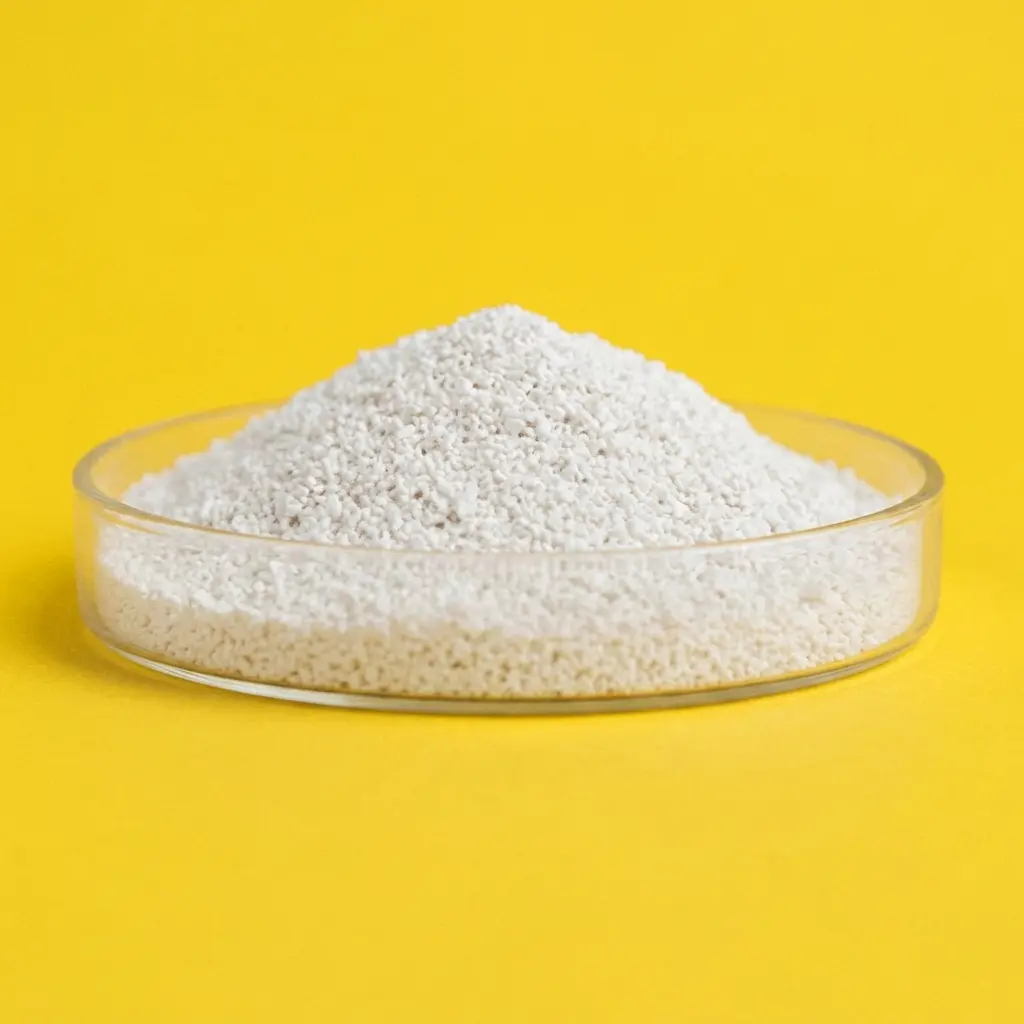
Water disinfection is an important part of maintaining public health, protecting water systems, and supporting hygienic conditions in residential, commercial, and industrial environments. Chlorine-based disinfectants are widely used because they can inactivate many types of microorganisms when applied under appropriate conditions. Among these products, sodium dichloroisocyanurate, commonly known as Dichlor, is valued for its available chlorine content, water solubility, and versatility in selected disinfection applications.
Understanding the chemical properties of a disinfectant helps users determine whether it is suitable for a particular treatment process. When evaluating a Dichlor Sanitizer, buyers and water treatment professionals should consider its formulation, available chlorine specification, dissolution characteristics, application requirements, and safety documentation. These factors influence product selection and help support consistent disinfection practices.
What Is Dichlor Sanitizer?
Dichlor is the common name for sodium dichloroisocyanurate, also referred to as SDIC or NaDCC. It is an organic chlorine compound that releases available chlorine when dissolved in water.
The released chlorine acts as an oxidizing disinfectant. It can damage essential components of susceptible microorganisms, helping reduce microbial contamination under suitable treatment conditions.
Dichlor is commonly supplied as granules or powder, although other formulated products may be available. Its relatively high water solubility makes it suitable for certain applications where a dissolving chlorine source is required.
Chemical Composition and Key Properties
Understanding Dichlor’s composition helps explain its behavior during storage, preparation, and use.
Sodium Dichloroisocyanurate
The active compound in Dichlor is sodium dichloroisocyanurate. It belongs to the chlorinated isocyanurate family and provides a source of available chlorine when introduced into water.
Its chemical structure allows it to release active chlorine under appropriate conditions. The resulting disinfection performance depends on water chemistry, microbial characteristics, contact conditions, and the presence of substances that consume chlorine.
Available Chlorine Content
Available chlorine is a key specification for comparing chlorine-based disinfectants. Dichlor is commonly available in different formulations with different available chlorine percentages.
- Anhydrous Dichlor: Commonly specified at approximately 62% available chlorine.
- Dichlor dihydrate: Commonly specified at approximately 56% available chlorine.
These values are typical specifications rather than guarantees for every product. Buyers should verify the actual content through the manufacturer’s technical data sheet and batch-specific certificate of analysis.
Water Solubility
Dichlor is generally readily soluble in water. This property can make it convenient for preparing treatment solutions and using it in suitable dosing procedures.
Dissolution behavior may vary according to particle size, formulation, water temperature, and mixing conditions. Product instructions should determine the appropriate preparation and application method.
How Dichlor Works in Water Disinfection
When Dichlor dissolves, it releases available chlorine into the water. Active chlorine species react with essential cellular components of susceptible microorganisms, interfering with their biological functions.
The effectiveness of disinfection depends on several operating conditions.
Chlorine Concentration
The amount of available chlorine influences the potential disinfection effect. However, the required concentration depends on the water source, treatment objective, and applicable standards.
Contact Time
Microorganisms need sufficient exposure to the disinfectant. Treatment systems should provide suitable contact conditions and verify performance through appropriate monitoring.
pH and Temperature
Water pH affects chlorine chemistry and the proportion of active chlorine species. Temperature can also influence reaction rates and microbial susceptibility.
Organic Matter and Chlorine Demand
Organic compounds, ammonia, and other reactive substances can consume available chlorine. This reduces the amount remaining for microbial inactivation.
Pre-treatment may therefore be necessary to reduce contaminants that interfere with disinfection.
Common Applications of Dichlor Sanitizer
Dichlor may be used in various water treatment and sanitation settings when the specific product is authorized and suitable for the intended application.
Swimming Pool Water Disinfection
Swimming pools require regular disinfection to control microorganisms and maintain acceptable water quality. Dichlor can be used as a chlorine source in suitable pool maintenance programs.
Its stabilizer contribution is an important consideration. Dichlor adds cyanuric acid to pool water, which helps protect chlorine from ultraviolet degradation in outdoor pools. However, repeated use can cause stabilizer levels to accumulate.
Pool operators should monitor free chlorine, pH, and cyanuric acid regularly and follow applicable pool water quality guidance.
Industrial Water Treatment
Industrial facilities may use chlorine-based products to manage microbial growth in selected water systems. Dichlor may be considered where its chemical characteristics are compatible with the system and its use is permitted.
Before selection, operators should assess water composition, material compatibility, chlorine demand, discharge conditions, and the potential formation of disinfection by-products.
Institutional and Commercial Sanitation
Certain Dichlor formulations may be suitable for approved sanitation applications involving equipment, facilities, and appropriate surfaces.
The product label must specify the permitted use, preparation instructions, contact time, and safety precautions. A product intended for water treatment should not automatically be assumed suitable for every surface disinfection task.
Drinking Water Treatment
Dichlor-based products should only be used for potable water treatment when the specific product is authorized for that purpose and meets applicable drinking water requirements.
Facilities must consider product purity, impurities, chemical residuals, and potential disinfection by-products. Local regulations and approved treatment protocols should determine whether a particular formulation is acceptable.
Factors That Influence Disinfection Performance
Dichlor does not perform identically in every water source. Several physical and chemical factors can influence its effectiveness.
Water Quality
Turbidity, suspended solids, organic matter, and other contaminants can interfere with disinfectant contact or consume available chlorine.
Reducing these contaminants through appropriate filtration or pre-treatment can improve conditions for the disinfection stage.
Mixing and Distribution
Consistent distribution helps ensure that the disinfectant reaches the water being treated. Poor mixing or unsuitable dosing arrangements may create areas with inadequate exposure.
Treatment equipment should be selected and operated according to the product formulation and system design.
Product Formulation
Powder and granular products may differ in particle size, handling characteristics, and dissolution behavior. Buyers should select the formulation that fits the intended application and equipment.
Monitoring and Process Control
Routine testing helps determine whether treatment conditions remain within the required operating range. Depending on the application, monitoring may include chlorine residual, pH, turbidity, and microbiological indicators.
Dichlor Compared with Other Chlorine Disinfectants
Dichlor is one of several chlorine-based products used in water treatment. Other common options include trichloroisocyanuric acid, calcium hypochlorite, and sodium hypochlorite.
| Disinfectant | General characteristics | Important consideration |
|---|---|---|
| Dichlor | Stabilized chlorine compound, generally readily soluble | Adds cyanuric acid |
| TCCA | Stabilized chlorine, commonly supplied in tablets or granules | Adds cyanuric acid and has different dissolution characteristics |
| Calcium hypochlorite | Unstabilized chlorine source | Adds calcium to treated water |
| Sodium hypochlorite | Liquid, unstabilized chlorine source | Requires suitable storage and concentration management |
The appropriate choice depends on treatment objectives, water chemistry, equipment, product approvals, and operating requirements. Available chlorine percentage alone is not enough to determine which disinfectant is most suitable.
Storage and Handling Safety
Dichlor is an oxidizing chemical and must be handled according to its safety data sheet and applicable workplace procedures.
Maintain Dry Storage Conditions
Store the product in its original, tightly closed packaging in a cool, dry, well-ventilated location. Protect it from moisture, excessive heat, and contamination.
Keep Away from Incompatible Materials
Never mix Dichlor with acids, ammonia, reducing agents, other chlorine products, or cleaning chemicals. Dangerous reactions and toxic gas release may occur.
Keep the product away from oils, grease, combustible materials, and other incompatible substances.
Use Appropriate Protective Equipment
Follow the manufacturer’s handling instructions and workplace risk assessment. Chemical-resistant gloves, eye protection, and protective clothing may be required.
Avoid breathing dust and prevent direct contact with skin and eyes. Personnel should also understand the appropriate procedures for spills, disposal, and emergency response.
How to Evaluate Dichlor Product Quality
Selecting a reliable product requires checking more than its stated available chlorine percentage.
Verify Chemical Specifications
Review the formulation, available chlorine content, physical form, and relevant quality parameters. Request a batch-specific certificate of analysis to confirm that the supplied product meets the agreed specification.
Review Technical Documentation
A dependable supplier should provide a technical data sheet and safety data sheet. These documents explain product properties, storage requirements, handling precautions, and application limitations.
Check Packaging and Shelf Life
Packaging should protect the product from moisture and contamination during transportation and storage. Buyers should check manufacturing dates, shelf-life information, and recommended storage conditions.
Assess Supplier Consistency
Consistent manufacturing quality and batch traceability are important for facilities that depend on predictable treatment performance. Supplier reliability and technical support should form part of the purchasing decision.
Conclusion
Dichlor sanitizer is a chlorine-based disinfectant valued for its water solubility, available chlorine content, and suitability for selected water treatment and sanitation applications. Its performance depends on factors such as water quality, pH, temperature, contact time, and chlorine demand.
Choosing the right formulation requires careful review of product specifications, application approvals, and safety documentation. With suitable process control, routine testing, and responsible handling, Dichlor can support effective disinfection as part of a broader water quality management program.


