

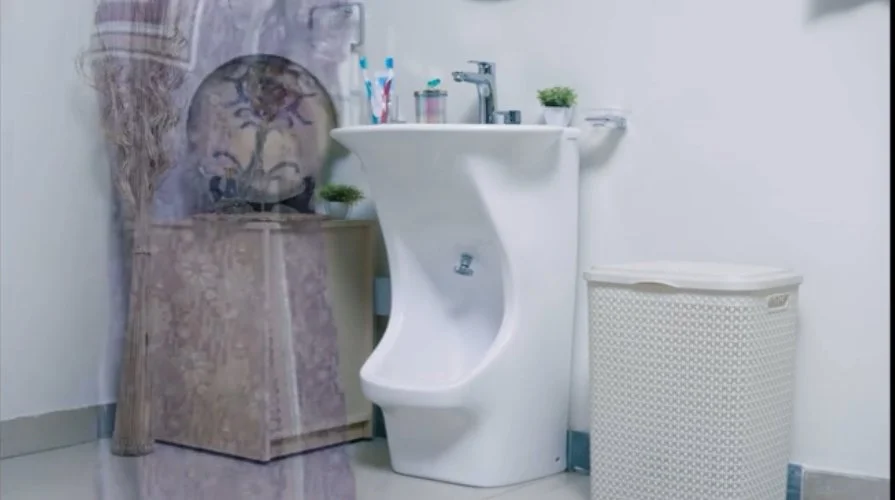
Modern public infrastructure is increasingly focused on inclusivity, hygiene, and user convenience. In this context, the Wudu Wash Basin has become an essential feature in mosques, airports, schools, and commercial facilities where ablution areas must accommodate a diverse range of users efficiently and safely.
For exporters and manufacturers in the sanitary ware industry, this growing demand also represents a strong opportunity to expand into international markets. Buyers are no longer looking only for basic functionality—they expect thoughtful design that improves comfort, reduces maintenance, and aligns with modern architectural standards. A well-designed Wudu Wash Basin reflects how innovation and usability can work together in today’s global construction projects.
Table of Contents
ToggleThe Importance of Comfort in Ablution Spaces
Ablution is a routine activity performed multiple times a day, making comfort a critical design factor. Poorly designed spaces can create inconvenience, especially in high-traffic environments.
Comfort-focused designs help:
- Reduce physical strain during use
- Improve posture and accessibility
- Support elderly and disabled users
- Enhance overall user satisfaction
For facility planners, prioritizing comfort leads to better user experience and smoother crowd management.
Ergonomic Design for Better Accessibility
One of the most important aspects of modern ablution systems is ergonomics. Designers now focus on making Wudu areas more accessible for people of all ages and physical conditions.
Key ergonomic features include:
- Lowered or adjustable basin heights
- Built-in seating or support structures
- Footrests positioned for stability
- Spacious layout for easy movement
These features ensure that users can perform ablution safely and comfortably without unnecessary effort.
Space-Efficient Layouts for Public Facilities
In many commercial and public buildings, space is limited. Efficient design helps maximize usability without overcrowding the area.
Modern layouts often include:
- Compact multi-user stations
- Wall-aligned basin arrangements
- Integrated drainage systems
- Smart zoning for wet and dry areas
Such space optimization is especially important in airports, universities, and large mosques where foot traffic is high.
Hygienic and User-Friendly Surfaces
Hygiene is a top priority in shared washing environments. Modern basin designs now incorporate materials and finishes that support cleanliness and easy maintenance.
Important design considerations include:
- Smooth, non-porous surfaces
- Minimal joints to reduce dirt buildup
- Stain and moisture resistance
- Easy-to-clean drainage systems
These features reduce cleaning time and help maintain a healthier environment for users.
Water Management and Safety Features
Effective water control is essential for both comfort and safety. Poor drainage or excessive splashing can make ablution areas unsafe.
Well-designed systems often include:
- Controlled water flow mechanisms
- Splash-resistant basin shapes
- Anti-slip flooring integration
- Proper slope for drainage efficiency
These improvements help prevent accidents and ensure smooth usage even during peak hours.
Inclusive Design for All Users
Accessibility is no longer optional in modern infrastructure—it is a requirement. Wudu spaces must accommodate children, elderly users, and individuals with mobility challenges.
Inclusive design elements include:
- Wide access paths for wheelchair users
- Support rails for stability
- Clearly defined washing zones
- Comfortable reach distances for all fixtures
Such features ensure that ablution facilities serve every member of the community equally.
Export Opportunities in Modern Sanitary Solutions
From a business perspective, the growing demand for improved ablution facilities is creating strong opportunities in global trade. Exporters who focus on quality and design innovation can position themselves competitively in international markets.
Effective export marketing strategies include:
- Showcasing real-world installation projects
- Creating technical brochures for architects and contractors
- Targeting construction companies and facility planners
- Using SEO-driven content to attract global buyers
- Highlighting durability and compliance with standards
These strategies help build trust and generate long-term business relationships.
Role of Design in Global Market Growth
Design innovation plays a key role in influencing purchasing decisions. Buyers today look for solutions that combine aesthetics with functionality.
Modern Wudu wash areas are no longer just utility spaces—they are part of architectural design. This shift creates demand for products that are visually appealing, durable, and easy to integrate into different building styles.
Conclusion
Comfort and accessibility are now central to the design of modern ablution facilities. Thoughtfully engineered Wudu wash basin systems improve user experience, enhance safety, and support inclusive infrastructure development.
For exporters and manufacturers, this evolving demand represents a valuable opportunity. By focusing on ergonomic design, hygiene, and efficient space usage, businesses can strengthen their presence in international markets and meet the growing global need for advanced sanitation solutions.