Buying POS hardware in large quantities requires more careful planning than purchasing a few individual devices. Businesses managing multiple stores, franchises, warehouses, or large checkout operations need equipment that offers consistent performance, dependable quality, and predictable availability across every unit.
When comparing a POS Hardware Manufacturer for a bulk order, businesses should look beyond the initial unit price. Manufacturing capacity, product consistency, customization options, quality control, delivery planning, technical support, and long-term product availability can all influence the success of a large-scale hardware deployment.
Start With Product Requirements
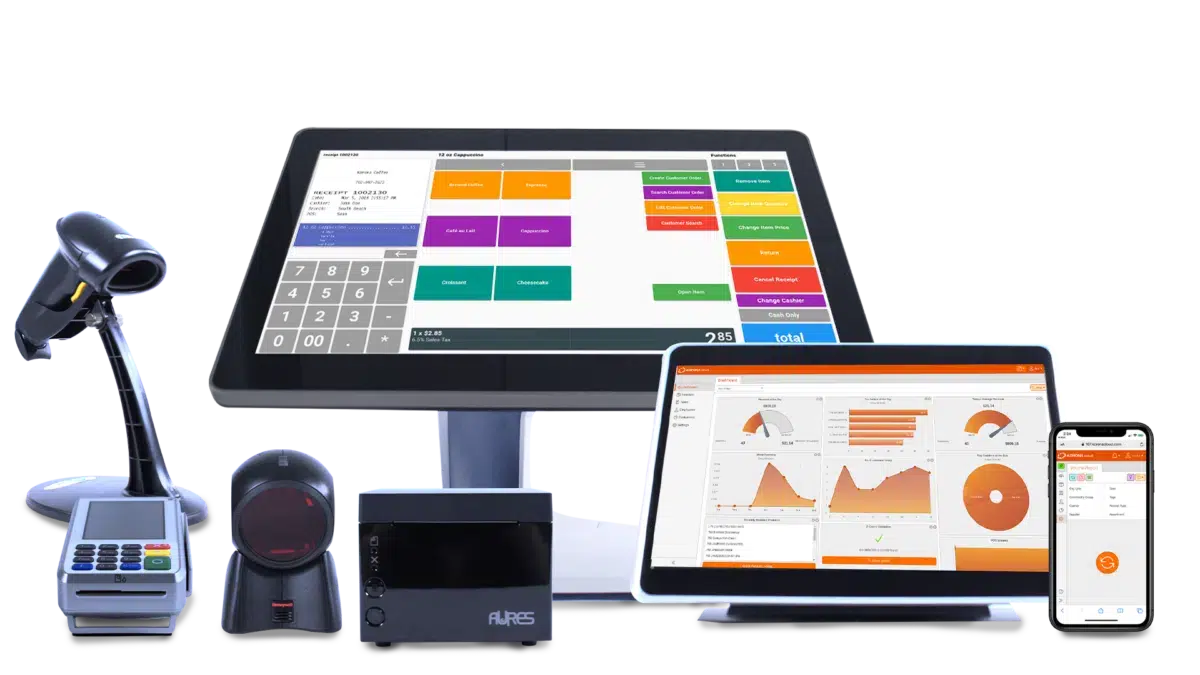
Before comparing manufacturers, establish exactly what equipment the business needs. A bulk order may include POS terminals, displays, scanners, receipt printers, cash drawers, mounts, or other accessories.
Creating a detailed equipment list makes it easier to compare manufacturers on the same criteria. It also reduces the risk of ordering incompatible components or overlooking important accessories.
Compare Product Quality
Quality becomes especially important when purchasing dozens or hundreds of units. A minor hardware weakness can become a significant operational issue when it affects equipment across multiple locations.
Review the materials, component specifications, expected operating conditions, and reliability of each product. Businesses should also consider whether the hardware is designed for continuous commercial use.
Evaluate Manufacturing Capacity
A manufacturer may offer suitable products but still struggle to fulfill a large order within the required timeframe. Production capacity should therefore be part of the comparison.
Ask about manufacturing capabilities, standard production timelines, order volumes, and the ability to maintain supply during periods of increased demand. This information can help businesses plan installations more accurately.
Review Quality Control Processes
Consistency is essential for bulk purchasing. Businesses generally want each unit to have the same specifications and performance characteristics, particularly when equipment will be distributed across multiple locations.
Ask how products are inspected and tested during manufacturing. Quality control procedures may cover components, assembly, connectivity, functionality, and final performance before shipment.
Examine Product Consistency
Bulk deployments benefit from standardized hardware. Using different configurations across locations can make employee training, maintenance, troubleshooting, and replacement more complicated.
When comparing manufacturers, determine whether they can provide consistent models and specifications throughout the expected purchasing period. This can make large-scale deployment easier to manage.
Consider Customization Options
Some businesses have requirements that standard POS devices cannot fully address. They may need specific ports, mounting arrangements, display configurations, branding elements, or peripheral integration.
If customization is important, ask each manufacturer what modifications are available and how those changes affect production timelines, minimum order quantities, and pricing.
Assess Compatibility
Every component in a POS setup needs to work with the software and peripherals already used by the business. Compatibility should therefore be verified before placing a large order.
Review supported operating systems, connection interfaces, peripheral compatibility, and software requirements. Testing a sample unit before committing to a full purchase can also help identify potential integration problems.
Compare Pricing Beyond the Unit Cost
Price is an important factor in bulk purchasing, but the lowest quoted price does not necessarily represent the best value.
Consider the complete financial picture, including:
- Hardware unit cost
- Customization expenses
- Shipping and logistics
- Installation requirements
- Warranty coverage
- Replacement parts
- Technical support
- Potential maintenance costs
Looking at the total cost can provide a more realistic comparison between manufacturers.
Ask About Minimum Order Quantities
Manufacturers may have different minimum order requirements for standard and customized products. Understanding these conditions early can help businesses determine whether a supplier is suitable for their purchasing volume.
Minimum quantities may also vary depending on product configuration or custom specifications, so these details should be confirmed before finalizing an order.
Review Delivery and Logistics
Large hardware orders require organized logistics. Delays can affect store openings, equipment upgrades, and scheduled installations.
Ask about estimated production times, packaging, shipping arrangements, order tracking, and procedures for handling damaged or incomplete shipments. Clear logistics planning can reduce avoidable disruptions.
Investigate Warranty and After-Sales Support
A bulk purchase can represent a significant investment, making post-purchase support particularly important. Even reliable hardware may eventually require troubleshooting, repairs, or replacement components.
Review warranty duration, coverage terms, replacement procedures, and available technical support. A manufacturer with a clear support process can make it easier to manage equipment issues across multiple locations.
Check Replacement Part Availability
Hardware purchased today may need replacement components several years later. This makes long-term parts availability an important consideration.
Ask whether the manufacturer can supply compatible power adapters, cables, stands, displays, internal components, or other replacement items. Consistent access to parts can help extend the useful life of a large hardware deployment.
Request Samples Before a Large Order
A sample or evaluation unit can provide valuable information that specifications alone cannot reveal. Businesses can test the device in a real working environment before committing to a large quantity.
During evaluation, consider:
- Build quality
- Touchscreen responsiveness
- Peripheral connectivity
- Software compatibility
- Ease of installation
- Employee usability
- Overall physical footprint
Practical testing can expose issues early and reduce the risk associated with large orders.
Consider Long-Term Supply Stability
Bulk purchasing is often part of a broader hardware strategy rather than a one-time transaction. Businesses may need additional units later for new locations, replacements, or expansion.
Consider whether the manufacturer is likely to maintain product availability and consistent specifications over the expected deployment period. Stable supply can simplify future purchasing and standardization.
Compare Communication and Responsiveness
Communication can have a major effect on large projects. Manufacturers should be able to provide clear information about specifications, production schedules, customization, documentation, and support.
Pay attention to how efficiently questions are answered during the evaluation process. Strong communication before an order can be a useful indicator of how smoothly future coordination may work.
Make the Comparison Methodical
Once information has been collected, create a simple comparison based on the factors that matter most to the business. Rather than focusing on one specification, evaluate each manufacturer across quality, capacity, pricing, compatibility, support, delivery, and long-term availability.
This approach makes the purchasing decision more objective and helps businesses identify trade-offs before committing to a large investment.
Conclusion
Comparing POS hardware manufacturers for bulk purchasing involves much more than negotiating a favorable unit price. Businesses need to evaluate production capacity, product consistency, quality control, compatibility, customization, logistics, warranty coverage, and long-term support.
A thorough comparison process can reduce purchasing risks and make large-scale POS deployments easier to manage. By testing equipment, reviewing manufacturing capabilities, and considering the total cost of ownership, businesses can select hardware that supports reliable operations across their locations.