A swimming pool is an important addition to any property, offering opportunities for relaxation, recreation, and outdoor entertainment. However, every property has different dimensions, architectural features, and landscaping requirements. A standard pool design may not always accommodate these differences, which is why personalized planning can make a significant difference. Having the freedom to select the pool’s layout, dimensions, materials, and features allows homeowners to create an outdoor space that reflects their individual preferences.
Choosing a Custom Swimming Pool provides greater control over the design process, making it easier to balance appearance, functionality, and available space. Rather than adjusting the property to fit a predetermined design, homeowners can explore solutions that work with their existing surroundings. This flexibility also makes it possible to incorporate practical features that support specific activities and long-term lifestyle needs.
1. Freedom to Choose the Pool Shape and Layout
One of the biggest advantages of custom pool construction is the ability to select a shape that suits the property’s layout. Standard designs may offer limited configurations, while a personalized approach allows homeowners to explore different shapes and dimensions.
Popular options include:
- Rectangular pools: Suitable for modern properties and homeowners interested in swimming laps.
- Freeform pools: Feature flowing curves that complement natural landscaping.
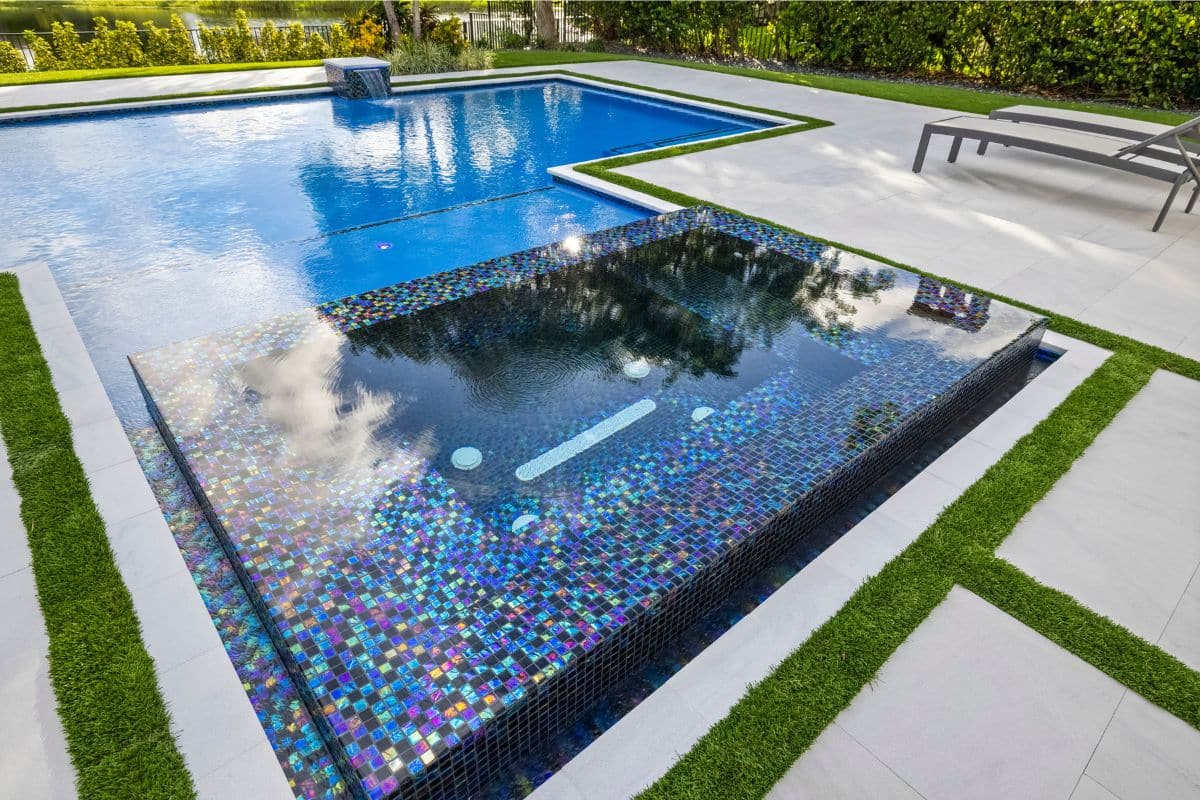
- L-shaped pools: Provide opportunities to separate swimming and recreational areas.
- Geometric pools: Offer distinctive layouts that work well with contemporary architecture.
- Compact plunge pools: Make efficient use of smaller outdoor spaces.
The ability to modify these configurations helps create a pool that fits naturally into the available environment.
2. Better Use of Available Outdoor Space
Not every backyard has a large, open area suitable for a conventional pool. Some properties have irregular boundaries, existing gardens, sloped ground, or limited access points.
Custom design provides an opportunity to work around these conditions. Pool dimensions and positioning can be adjusted to accommodate existing structures, pathways, patios, and landscaping.
This approach also helps preserve valuable outdoor space for other activities. Homeowners can maintain areas for dining, seating, gardening, and entertainment instead of allowing the swimming pool to dominate the entire backyard.
A professional site assessment is essential to determine which layouts are practical and structurally appropriate.
3. Personalized Depth and Swimming Areas
Different households have different swimming requirements. Some prioritize exercise, while others want a comfortable environment for family recreation and relaxation.
A personalized design allows homeowners to consider depth variations and functional zones according to their intended use.
For example, a pool may include a shallow lounging area, a deeper swimming section, and integrated steps for convenient access. Built-in benches and tanning ledges can also provide additional opportunities for relaxation.
These features should be planned carefully to maintain safe transitions between different areas and comply with applicable pool safety standards.
4. Greater Control Over Materials and Finishes
The materials used in pool construction have a major influence on its appearance, durability, and maintenance requirements. Custom-built designs allow homeowners to explore different finishes and coordinate them with their property’s architectural style.
Interior Pool Finishes
Options may include plaster, tiles, aggregate finishes, and vinyl liners, depending on the construction method. Each material offers different aesthetic qualities, installation requirements, and maintenance considerations.
Decking and Coping
The surrounding surfaces can be selected to complement the pool interior and outdoor environment. Natural stone, textured concrete, and suitable pavers are popular choices because they offer different combinations of appearance and practicality.
Color Coordination
Pool interior colors influence how the water appears under different lighting conditions. Neutral shades can create a subtle, timeless look, while darker finishes may produce a more dramatic visual effect.
Having greater control over these choices helps create a consistent design throughout the outdoor space.
5. Opportunities to Incorporate Unique Features
Custom construction makes it easier to include features that reflect personal preferences and improve the swimming experience.
Depending on the available space and budget, homeowners may consider:
- Waterfalls and decorative fountains.
- Underwater LED lighting.
- Integrated spa sections.
- Built-in seating and lounging areas.
- Heating and temperature control systems.
- Automated cleaning equipment.
- Water jets for recreation or exercise.
These additions should be considered during the initial planning stage. This allows contractors to coordinate the necessary plumbing, electrical connections, and structural requirements before construction begins.
6. Integration With Existing Landscaping
A swimming pool should complement the property’s outdoor environment rather than appear disconnected from it. Custom design makes it possible to coordinate the pool with existing trees, gardens, outdoor structures, and architectural elements.
For example, a curved pool may blend naturally into a landscaped garden, while a geometric design can complement a contemporary patio.
Homeowners can also plan surrounding pathways, privacy screens, decorative plants, and seating areas as part of the overall layout.
This coordinated approach creates a more balanced outdoor environment and improves the connection between the swimming pool and the rest of the property.
7. Design Choices That Support Energy Efficiency
Design flexibility is not limited to appearance. It can also help homeowners make practical decisions about energy consumption and routine maintenance.
The selection and positioning of equipment can be considered alongside the pool’s dimensions and layout.
Some useful options include:
- Variable-speed pumps to improve circulation efficiency.
- Energy-efficient heating systems suited to the local climate.
- Automatic pool covers to reduce evaporation and heat loss.
- Efficient filtration equipment to support water quality.
- LED lighting to reduce electricity consumption.
The surrounding environment should also be considered. Suitable positioning can take advantage of natural sunlight, while thoughtful landscaping may provide shade where needed.
These decisions can contribute to more manageable operating costs over the pool’s lifespan.
8. Adaptation to Different Architectural Styles
Every property has its own architectural character, and the swimming pool should ideally complement it. Custom construction gives homeowners more freedom to coordinate shapes, materials, colors, and surrounding features with the home’s design.
Modern properties may benefit from straight edges, minimalist finishes, and subtle lighting. Traditional homes may look more balanced with curved pool shapes, natural stone, and established landscaping.
For properties with distinctive architectural features, a personalized layout can help maintain visual consistency between indoor and outdoor spaces.
The result is a swimming pool that feels like an intentional part of the property rather than an unrelated addition.
9. Flexibility to Match Different Lifestyles
A major benefit of personalized pool design is the ability to prioritize features based on how the household will use the space.
Families may prefer shallow recreational areas and convenient entry points. Fitness enthusiasts may prioritize a longer swimming section or exercise equipment. Homeowners who enjoy entertaining may want additional seating, decorative lighting, and nearby dining spaces.
Understanding these priorities helps ensure that the finished pool supports everyday activities rather than simply looking attractive.
It is also worth considering future needs. A design that accommodates changing household requirements can remain useful for many years.
10. More Control Over the Overall Project
Custom-built pools involve several decisions, and greater design flexibility gives homeowners more opportunities to participate in the planning process.
Working with an experienced pool designer allows them to review different layouts, compare materials, evaluate additional features, and make adjustments before construction starts.
This collaboration also helps establish realistic expectations regarding project costs, installation timelines, maintenance requirements, and structural limitations.
Although greater customization may introduce additional design and construction costs, careful prioritization can help homeowners achieve a practical result within their budget.
Conclusion
Custom-built swimming pools offer greater design flexibility because they allow homeowners to make decisions based on their property’s characteristics, personal preferences, and intended use. From selecting unique shapes and dimensions to incorporating specialized features, materials, and landscaping, each element can be planned to create a more cohesive outdoor environment.
The most successful design balances creativity with practical considerations such as safety, durability, energy efficiency, and maintenance. By working with qualified professionals and carefully evaluating available options, homeowners can create a swimming pool that complements their property and provides lasting enjoyment.