Construction projects increasingly involve complex building designs, greater working heights, and demanding installation requirements. From commercial developments and industrial facilities to bridges and infrastructure projects, workers need reliable access to elevated areas throughout different stages of construction. Properly planned temporary structures help provide that access while supporting organized site operations.
Modern Scaffolding Construction combines suitable materials, modular components, engineering principles, and safety practices to create dependable temporary access systems. Advances in manufacturing and scaffold design have made it possible to configure equipment for different structural layouts and working conditions. Understanding these developments helps contractors select appropriate systems, manage installation requirements, and maintain safer construction environments.
Understanding Modern Scaffolding Construction
Scaffolding construction refers to the planning, assembly, use, and dismantling of temporary structures designed to provide access and working platforms during construction or maintenance activities.
Modern systems use standardized components that can be assembled into different configurations according to project requirements. Depending on the application, these may include vertical standards, horizontal ledgers, diagonal braces, platforms, base jacks, guardrails, and access equipment.
A properly designed scaffold should account for several important factors:
- Required working height and platform arrangement.
- Expected loads from workers, tools, and materials.
- Building geometry and available installation space.
- Ground conditions and supporting structures.
- Wind exposure and other environmental forces.
- Access, fall protection, and inspection requirements.
These considerations help determine the appropriate scaffold type and configuration before installation begins.
Different Types of Scaffolding Used in Modern Construction
Construction projects require different access arrangements depending on their scale, design, and working conditions. Several scaffold systems are widely used across the industry.
1. Frame Scaffolding
Frame scaffolding consists of prefabricated frames connected through compatible braces and accessories.
It is commonly used for residential construction, commercial buildings, exterior finishing, and general maintenance activities.
Its standardized components can simplify assembly and make it suitable for projects with relatively regular layouts.
2. Ringlock Scaffolding
Ringlock scaffolding uses vertical standards fitted with circular rosette plates. Horizontal ledgers and diagonal braces connect to these plates through wedge-based locking mechanisms.
This modular arrangement allows connections in multiple directions, making it useful for projects involving irregular shapes, different elevations, and complicated access requirements.
It is frequently considered for industrial construction, infrastructure development, and large-scale projects.
3. Cuplock Scaffolding
Cuplock systems use cup-shaped connection components to secure horizontal members to vertical standards.
Their modular design supports efficient assembly and dismantling when compatible components are used correctly.
These systems are commonly applied in building construction, formwork support, and selected infrastructure projects.
4. Tube-and-Coupler Scaffolding
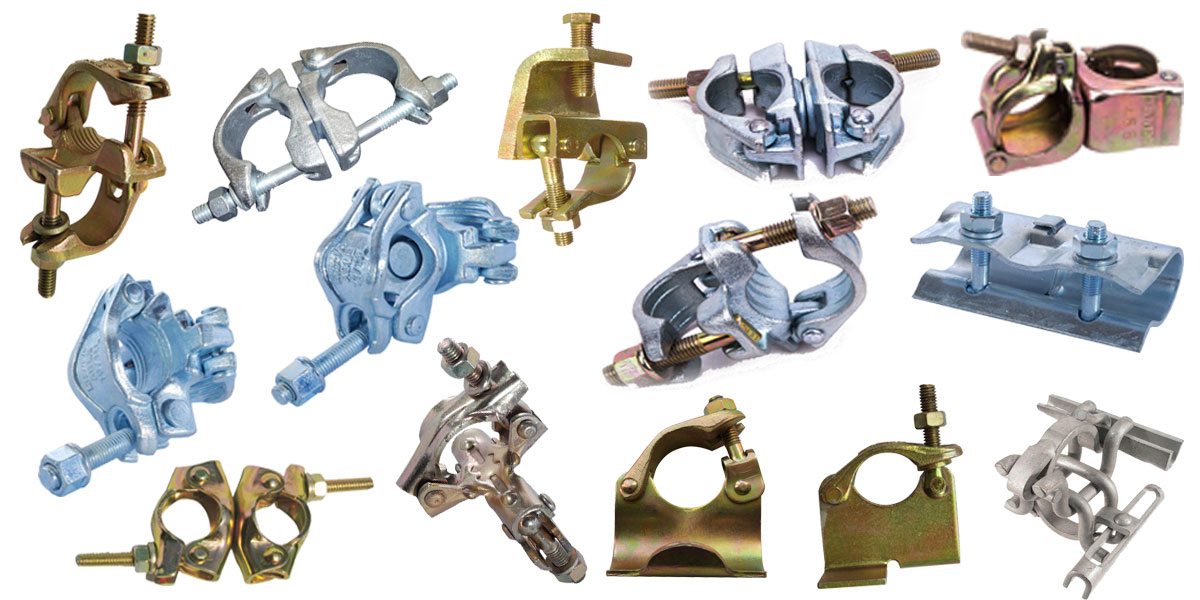
Tube-and-coupler scaffolding uses individual tubes connected with specialized fittings.
Its flexible arrangement allows contractors to develop customized structures around obstacles, curved surfaces, and unusual building geometries.
However, its installation requires careful connection placement, suitable tightening procedures, and competent supervision.
5. Suspended Scaffolding
Suspended scaffolding uses working platforms supported by suspension equipment attached to an overhead structure.
It is often used for high-rise façade maintenance, exterior painting, window installation, and repair activities.
Because the working platform is suspended, its lifting equipment, suspension points, anchorage, and fall-protection arrangements require specific design and inspection.
How Modern Scaffold Design Supports Complex Projects
Complex construction environments often require access systems that can adapt to unusual structural shapes, restricted spaces, and varying working levels.
Modern modular scaffolding helps address these requirements through standardized components and adaptable connection arrangements.
Flexible Structural Configurations
Modular systems allow compatible components to connect at predetermined positions, creating different scaffold layouts.
For example, rosette-based systems can accommodate multiple connection directions, which may be useful around industrial equipment, curved structures, and complicated building façades.
The final configuration must still be established through appropriate engineering and design procedures.
Access to Multiple Working Levels
Large construction projects often require workers to perform different activities at several elevations.
Scaffold standards, ledgers, platforms, and access components can be arranged to provide suitable working levels and designated routes between them.
This helps coordinate activities and reduce unnecessary movement around the construction site.
Adaptation to Industrial Environments
Industrial facilities frequently contain pipelines, tanks, machinery, and structural obstacles.
Modular components can be arranged to provide access around these features when the installation has been properly designed.
This flexibility is particularly useful during maintenance, inspection, installation, and repair work.
Support for Infrastructure Development
Bridge construction, tunnels, transportation facilities, and other infrastructure projects may involve unusual dimensions and demanding loading conditions.
Specialized scaffold arrangements can provide access to selected structural areas while accommodating project-specific geometry.
Because these structures can be technically demanding, their design should be reviewed by qualified professionals.
The Importance of Material Quality in Scaffolding Construction
Materials influence the strength, durability, weight, and environmental performance of scaffold components.
Steel and aluminum are among the most commonly used materials, with each offering different characteristics.
Steel Scaffolding
Steel is widely used for standards, ledgers, braces, frames, and other structural components.
Its strength and durability make it suitable for many demanding construction applications. Protective treatments such as hot-dip galvanizing can also help reduce corrosion when equipment is exposed to moisture and outdoor conditions.
Aluminum Scaffolding
Aluminum offers lower weight than comparable steel components and can be easier to transport and reposition.
It is commonly used in selected access and maintenance applications where handling efficiency is important.
However, its structural capacity must be evaluated according to the product specifications and intended scaffold configuration.
Manufacturing and Quality Control
Reliable scaffold components depend on consistent manufacturing procedures.
Cutting, forming, welding, machining, and surface treatment should be controlled to maintain suitable dimensions and product quality.
Inspection procedures may include material verification, dimensional checks, weld examinations, and testing where required.
Safety Principles in Modern Scaffolding Construction
Safety remains one of the most important considerations when designing and using temporary access structures.
Even high-quality equipment can create hazards if it is installed incorrectly, overloaded, or used without suitable protective measures.
Proper Foundation Preparation
Scaffolding must be supported by a firm and suitable foundation.
Before installation, contractors should evaluate ground conditions and provide appropriate base plates, adjustable jacks, sole boards, or other support arrangements where required.
The supporting surface must be capable of carrying the loads transferred through the scaffold.
Correct Bracing and Tying
Diagonal braces help maintain the intended structural arrangement, while scaffold ties connect the structure to suitable supporting points where required.
Their positions and installation details should follow the approved design and manufacturer’s guidance.
Removing or changing these components without authorization can compromise stability.
Guardrails and Toe Boards
Guardrails help protect workers from falling at exposed platform edges.
Toe boards help reduce the risk of tools and materials falling from elevated working areas.
These components should be installed wherever required by applicable regulations and the scaffold design.
Safe Access Arrangements
Workers should use designated ladders, stairways, or other approved access systems to move between scaffold levels.
Climbing scaffold frames or using unsuitable structural members as access routes can increase the risk of falls.
Load Management
Every scaffold has specific loading requirements based on its design and intended use.
Contractors must consider the combined weight of workers, tools, equipment, and stored materials. Platforms should not be overloaded, and loads should be distributed according to the approved arrangement.
The Role of Technology in Modern Scaffolding Projects
Technology is changing how scaffold structures are planned, manufactured, and managed.
Digital tools can improve communication between designers, contractors, and installation teams while helping identify potential problems before work begins.
Computer-Aided Design
Computer-aided design software allows engineers to develop detailed scaffold layouts and examine component positioning.
These models can help contractors understand clearances, access routes, and potential conflicts with permanent building structures.
Building Information Modeling
Building Information Modeling can support coordination between scaffolding layouts and other construction activities.
When integrated into project planning, digital models may help identify installation constraints and reduce clashes with mechanical, electrical, and structural elements.
Improved Manufacturing Equipment
Modern cutting, forming, and welding equipment can improve dimensional consistency and production efficiency.
More controlled manufacturing processes also support repeatable component specifications and better inventory management.
Digital Inspection Records
Digital documentation can help contractors record inspection results, identify damaged components, and maintain equipment histories.
Organized records make it easier to monitor equipment condition and plan maintenance activities.
Planning and Installing Scaffolding Efficiently
Effective scaffold construction begins before the first component is assembled.
Early planning helps ensure that the selected system matches the project requirements and that installation activities can be coordinated with other site operations.
Important planning steps include:
- Assess the site: Review ground conditions, building geometry, access restrictions, and surrounding hazards.
- Define working requirements: Identify required heights, platform levels, intended activities, and expected loads.
- Select the scaffold system: Choose a suitable configuration based on technical and operational requirements.
- Prepare the design: Establish component arrangements, support details, bracing, ties, and access provisions.
- Organize equipment: Confirm that all required components are available and compatible.
- Coordinate installation: Assign trained personnel and arrange suitable supervision.
- Inspect before use: Have the completed structure checked by a competent person.
A planned installation process can reduce unnecessary delays, improve equipment organization, and support safer working conditions.
Maintenance and Inspection for Long-Term Reliability
Scaffolding components are repeatedly assembled, dismantled, transported, and stored. These activities can cause wear or damage over time.
Regular inspections help identify defects before equipment is reused.
Inspection procedures should include checking:
- Standards, frames, and tubes for bending or deformation.
- Welds and connection points for cracks or damage.
- Couplers, wedges, and locking mechanisms for wear.
- Platforms for damaged surfaces or fittings.
- Base jacks and adjustment threads for defects.
- Protective coatings for corrosion or deterioration.
Damaged components should be removed from service until they have been assessed and repaired or replaced using approved procedures.
After dismantling, equipment should be cleaned when necessary, sorted by type, and stored in suitable conditions to reduce unnecessary exposure to moisture and physical damage.
Choosing a Reliable Scaffolding Supplier
The quality of scaffold equipment depends partly on the supplier’s manufacturing standards, product range, and technical support.
Contractors should evaluate suppliers carefully before purchasing components or complete systems.
Important considerations include:
- Experience with the relevant scaffold system.
- Material specifications and manufacturing quality.
- Availability of compatible accessories.
- Corrosion protection and finishing options.
- Product testing and quality documentation.
- Technical support and installation guidance.
- Replacement component availability.
Buyers should also confirm that equipment complies with the standards and regulatory requirements applicable to the intended project and location.
Conclusion
Modern scaffolding construction supports complex projects by combining adaptable modular systems, durable materials, improved manufacturing processes, and structured installation practices. Different scaffold types provide solutions for residential buildings, commercial developments, industrial facilities, and infrastructure projects.
However, effective performance depends on more than selecting suitable components. Proper engineering, foundation preparation, bracing, access arrangements, load management, and regular inspections are essential for maintaining a reliable temporary structure.
By planning carefully and using compatible, quality-assured equipment, construction professionals can improve site organization, support worker safety, and manage elevated activities more efficiently.