
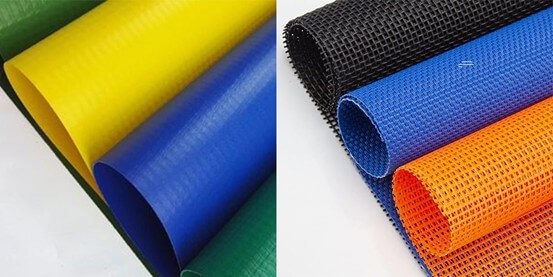
Purchasing PVC tarpaulins in bulk is an important decision for businesses involved in transportation, construction, agriculture, warehousing, and industrial supply. Since these products are often used in demanding environments, buyers need materials that offer consistent quality, reliable waterproofing, and long-term durability. Choosing an unsuitable supplier can result in production delays, inconsistent product specifications, and unnecessary replacement costs.
Before committing to a large purchase, businesses should carefully evaluate their potential suppliers rather than making decisions based on price alone. Comparing PVC Tarpaulin Manufacturers involves examining several factors, including raw material quality, manufacturing capabilities, product customization, quality control, pricing, and delivery reliability. A structured evaluation process can help buyers reduce purchasing risks and establish dependable long-term supply relationships.
1. Evaluate Raw Material Quality
Raw materials have a direct impact on the strength, flexibility, and performance of PVC tarpaulins. Before placing a bulk order, buyers should understand what materials a manufacturer uses and whether they meet the requirements of the intended application.
Important specifications to review include:
- Polyester fabric quality: Check the yarn strength, weaving density, and fabric construction.
- PVC coating composition: Evaluate the coating formulation and its suitability for the required application.
- Material thickness: Confirm that the thickness is consistent with the product specifications.
- Weight per square meter: Compare product weights to understand differences in material construction.
- Protective additives: Ask whether UV stabilizers, flame-retardant additives, or other specialized treatments are included.
A manufacturer should be able to provide clear technical information rather than relying on general descriptions such as premium or heavy-duty quality.
2. Compare Manufacturing Capabilities
A supplier’s production capabilities determine whether it can handle large orders while maintaining consistent product quality.
Businesses should evaluate the manufacturer’s equipment, production processes, and experience with different PVC tarpaulin specifications.
Consider asking the following questions:
- Does the manufacturer operate modern coating or lamination equipment?
- Can it produce different thicknesses and fabric weights?
- Does it offer customized widths, lengths, and colors?
- Can it manufacture specialized products for industrial applications?
- Does it have sufficient capacity to fulfill recurring bulk orders?
Production capacity is particularly important for distributors and businesses with ongoing material requirements. A supplier that cannot maintain production consistency may struggle to meet large or repeated orders.
3. Examine Product Quality and Performance
PVC tarpaulins are designed to provide protection under different environmental and mechanical conditions. However, actual performance can vary depending on material composition and manufacturing quality.
Buyers should compare measurable product characteristics instead of depending exclusively on marketing claims.
Waterproof Performance
Waterproofing is essential for truck covers, outdoor storage, agricultural protection, and temporary shelters.
Ask manufacturers whether their products undergo waterproof testing and whether they can provide relevant test reports.
Tensile Strength
Tensile strength indicates how much pulling force the material can withstand before breaking.
This specification is especially important for tarpaulins exposed to tension during installation or transportation.
Tear Resistance
Tear resistance measures the material’s ability to withstand tearing forces. Products with suitable tear resistance are generally more appropriate for demanding applications involving repeated handling.
UV Resistance
For outdoor use, UV resistance is an important consideration. Prolonged exposure to sunlight can gradually affect the flexibility, appearance, and durability of PVC-coated fabrics.
Compare the available UV protection features and ask whether the manufacturer conducts relevant weathering tests.
Coating Adhesion
The PVC coating should remain properly bonded to the polyester fabric. Poor adhesion can cause separation and reduce the product’s useful life.
Comparing these technical properties helps buyers identify differences that may not be visible during a basic visual inspection.
4. Request Samples Before Ordering in Bulk
One of the most practical ways to evaluate a manufacturer is to request product samples before making a large financial commitment.
Samples allow purchasing teams to examine the material directly and determine whether it meets their requirements.
During sample evaluation, check:
- Surface smoothness and finishing.
- Fabric flexibility and handling.
- Coating uniformity.
- Material thickness and weight.
- Edge finishing and overall construction.
- Available product colors.
Where possible, arrange independent testing for critical performance characteristics.
A sample approval process also creates a useful reference for comparing the quality of future production batches against the originally approved product.
5. Compare Customization Options
Different industries require different tarpaulin dimensions, finishes, and performance characteristics. Therefore, customization should be an important part of supplier evaluation.
Depending on their production capabilities, manufacturers may offer:
- Customized fabric widths and lengths.
- Different material thicknesses and weights.
- Various colors and surface finishes.
- UV-resistant formulations.
- Flame-retardant options.
- Reinforced edges and welded seams.
- Printed designs and customized branding.
Before placing an order, provide detailed product specifications and confirm that the manufacturer can reproduce them consistently.
Clear customization requirements help avoid misunderstandings during production and reduce the possibility of receiving unsuitable materials.
6. Analyze Pricing Beyond the Initial Quotation
Price is an important consideration when purchasing PVC tarpaulins in large quantities. However, selecting the lowest quotation does not always result in the lowest overall purchasing cost.
Different manufacturers may quote different prices because of variations in raw materials, fabric weight, coating thickness, production technology, and quality standards.
When comparing quotations, consider:
Unit Price: Check the cost per square meter, roll, or other agreed measurement.
Minimum Order Quantity: Confirm the minimum quantity required for each product specification.
Customization Charges: Identify additional costs for special colors, printing, reinforced edges, or specific treatments.
Packaging Costs: Check whether packaging expenses are included in the quotation.
Shipping and Logistics: Compare freight charges, delivery terms, and any additional transportation expenses.
Payment Terms: Review deposits, balance payments, credit arrangements, and other financial conditions.
A complete cost comparison provides a more realistic understanding of the total purchasing expense.
7. Verify Quality Control Procedures and Certifications
Quality control is particularly important when ordering large quantities because even small manufacturing inconsistencies can affect an entire shipment.
Ask potential suppliers about their inspection procedures and the standards they follow during production.
Important quality checks may include:
- Raw material inspections.
- Fabric weight and thickness measurements.
- Tensile and tear resistance testing.
- Waterproof performance assessments.
- Coating adhesion tests.
- Finished product inspections.
Depending on the application, buyers may also request relevant certifications or laboratory reports.
For example, an ISO 9001 quality management certification can provide information about a manufacturer’s quality management system. However, certification alone does not guarantee that every product meets specific technical requirements.
Always verify the scope and validity of relevant documents.
8. Assess Production Capacity and Delivery Reliability
Bulk purchasing requires dependable production scheduling and logistics management.
A manufacturer may offer competitive pricing but still create problems if it cannot complete orders within the agreed timeframe.
Before finalizing a supplier, discuss:
- Monthly or annual production capacity.
- Current production schedules.
- Estimated manufacturing lead times.
- Order fulfillment history.
- Packaging and shipping arrangements.
- Procedures for handling production delays.
It is also useful to understand how the supplier manages unexpected increases in demand or repeat orders.
Reliable delivery planning helps businesses maintain inventory levels and avoid interruptions in their operations.
9. Review Communication and Customer Support
Effective communication can make a significant difference throughout the purchasing process.
A professional manufacturer should be able to explain product specifications, answer technical questions, provide quotations, and communicate production updates clearly.
Pay attention to how quickly the supplier responds and whether its representatives understand your application requirements.
Good communication is particularly valuable when dealing with customized orders, technical changes, and quality-related concerns.
Buyers should also clarify the supplier’s procedures for handling defective products, shipment discrepancies, and after-sales support.
10. Check Export Experience and Documentation
For international bulk orders, export experience is another important factor to consider.
Manufacturers supplying overseas markets should understand packaging requirements, shipping procedures, and the documentation needed for international transactions.
Depending on the destination and agreement, relevant documents may include:
- Commercial invoices.
- Packing lists.
- Certificates of origin.
- Bill of lading or other transport documents.
- Product test reports.
- Applicable compliance certificates.
Buyers should confirm documentation requirements with their customs broker or logistics provider before shipment.
A supplier familiar with international trade procedures can help reduce administrative complications and shipping delays.
11. Compare Manufacturers Using a Standard Evaluation Checklist
When evaluating several potential suppliers, using the same comparison criteria makes the selection process more objective.
The following checklist can help purchasing teams organize their findings.
| Evaluation factor | What to check |
|---|---|
| Raw materials | Polyester quality and PVC formulation |
| Product specifications | Thickness, weight, and fabric density |
| Performance | Waterproofing, tensile strength, and UV resistance |
| Manufacturing | Equipment and production capacity |
| Customization | Sizes, colors, coatings, and finishes |
| Quality control | Testing procedures and inspection reports |
| Pricing | Total cost and payment terms |
| Delivery | Production lead time and shipping arrangements |
| Documentation | Certifications and export paperwork |
| Customer support | Communication and after-sales service |
Using a consistent checklist makes it easier to identify suppliers that offer the best balance of quality, cost, and operational reliability.
12. Common Mistakes to Avoid When Placing Bulk Orders
Even experienced purchasing teams can encounter problems when evaluating new suppliers.
Avoid these common mistakes:
Choosing Based Only on Price: Low quotations may involve differences in material specifications or product performance.
Skipping Sample Testing: Ordering large quantities without evaluating samples increases the risk of receiving unsuitable products.
Ignoring Technical Specifications: Vague descriptions can lead to disagreements about thickness, weight, and coating quality.
Overlooking Delivery Terms: Unclear production schedules and shipping arrangements can create unnecessary delays.
Failing to Confirm Quality Standards: Verbal assurances should not replace documented specifications and appropriate testing.
Not Establishing Acceptance Criteria: Buyers should agree in advance on how finished products will be inspected and what happens if they fail to meet the agreed requirements.
Addressing these issues before production begins can make bulk procurement more predictable and manageable.
Conclusion
Comparing PVC tarpaulin suppliers before placing bulk orders requires a detailed evaluation of product quality, manufacturing capabilities, pricing, customization, and delivery reliability. Businesses should look beyond initial quotations and focus on measurable specifications that determine the material’s actual performance.
Requesting samples, reviewing technical documents, checking quality-control procedures, and establishing clear purchasing agreements can significantly reduce procurement risks.
By following a structured supplier evaluation process, businesses can make more informed purchasing decisions, maintain consistent product quality, and develop reliable supply relationships that support their long-term operational requirements.


