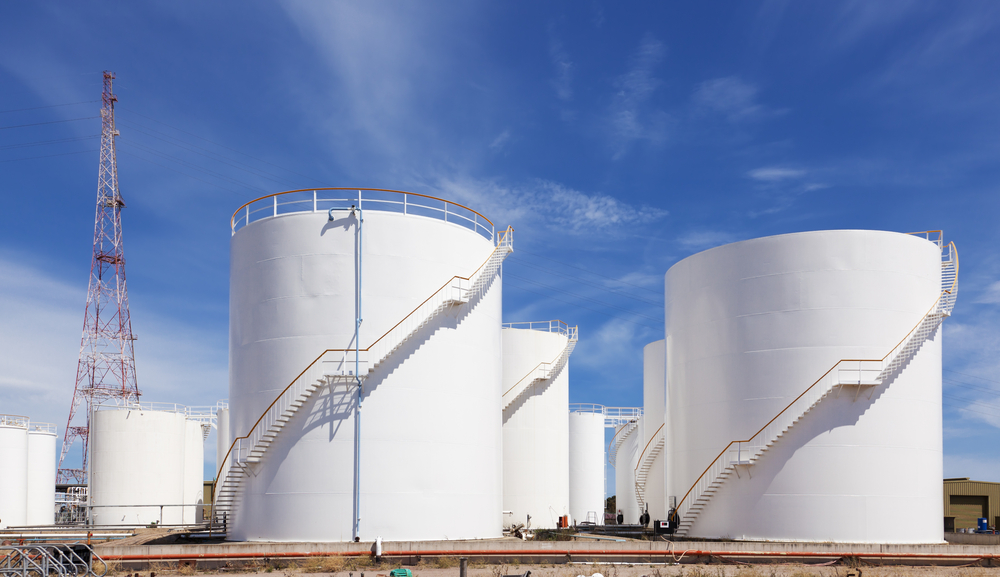
Industrial facilities rely on secure storage systems to manage fuels, lubricants, process oils, and other petroleum-based liquids. Selecting the right storage solution is essential for protecting stored materials, maintaining operational efficiency, and reducing the risk of leaks, contamination, and workplace accidents. A suitable tank must meet the facility’s capacity requirements while supporting safe handling and long-term reliability.
Choosing an appropriate Oil Storage Tank requires careful consideration of material compatibility, construction quality, storage conditions, safety features, and maintenance requirements. Different industrial applications involve different operating pressures, temperatures, and environmental conditions, so a tank designed for one purpose may not be suitable for another. Evaluating these factors before purchasing helps businesses make practical decisions and avoid unnecessary operating costs.
Understanding Industrial Oil Storage Requirements
Before selecting a tank, businesses should identify the type of oil being stored and the conditions under which it will be handled. Industrial oils vary in viscosity, chemical composition, flash point, and sensitivity to temperature changes.
Common applications include:
- Storing diesel, gasoline, and other industrial fuels.
- Holding lubricating oils used in manufacturing equipment.
- Managing hydraulic oils for industrial machinery.
- Storing heating oil for boilers and industrial heating systems.
- Keeping process oils available for production operations.
- Supporting oil distribution and transportation facilities.
Understanding the intended application helps determine the appropriate tank design, capacity, construction material, and supporting equipment.
1. Determine the Required Storage Capacity
Storage capacity is one of the first factors to evaluate. A tank that is too small may require frequent refilling, while an unnecessarily large tank can increase installation costs and occupy valuable facility space.
Businesses should consider several operational factors:
Daily consumption: Estimate how much oil the facility uses during normal operations.
Delivery frequency: Consider supplier schedules, transportation availability, and possible delivery interruptions.
Peak demand: Account for seasonal changes or periods of increased production.
Available space: Measure the installation area and consider access for inspection, maintenance, and delivery vehicles.
Expansion plans: Allow for potential increases in production or storage demand.
Capacity calculations should also account for the required operating fill limits and any additional volume needed for safe handling.
2. Select a Suitable Tank Construction Material
The material used to manufacture a storage tank affects its strength, durability, corrosion resistance, and compatibility with the stored oil.
Carbon Steel Tanks
<AsyncImage query=”large industrial carbon steel oil storage tank facility” aspectRatio=”16:9″ width=”100%”/>
Carbon steel is widely used in industrial oil storage because it offers high structural strength and is suitable for many petroleum products. These tanks can be manufactured in different sizes and configurations to meet specific facility requirements.
However, carbon steel may require protective coatings, corrosion monitoring, and regular inspections, particularly when exposed to moisture or aggressive environmental conditions.
Stainless Steel Tanks
<AsyncImage query=”industrial stainless steel liquid storage tanks factory” aspectRatio=”16:9″ width=”100%”/>
Stainless steel provides strong corrosion resistance and is useful in applications where product purity or resistance to particular chemicals is important. Its suitability depends on the stored substance, operating environment, and selected stainless steel grade.
Although stainless steel tanks can involve higher initial costs, their durability may make them appropriate for specialized industrial applications.
Other Tank Materials
Certain applications may use specialized alloys or engineered materials. The choice should be based on compatibility with the oil, mechanical requirements, temperature conditions, and applicable storage standards.
3. Consider Tank Design and Installation Requirements
Industrial storage tanks are available in several configurations. The right design depends on the quantity of oil, available space, site conditions, and installation preferences.
Vertical Storage Tanks
Vertical tanks are commonly used where large storage volumes are required and sufficient ground space is available. Their design can make efficient use of the installation footprint.
Horizontal Storage Tanks
Horizontal tanks are useful for smaller facilities, fuel storage applications, and locations with limited vertical clearance. They may also be installed on suitable supports or transport platforms.
Aboveground Tanks
Aboveground tanks are generally easier to inspect and maintain because their exterior surfaces and connections remain accessible. However, they require suitable foundations, protective measures, and appropriate site arrangements.
Underground Tanks
Underground tanks can save surface space and provide protection from certain environmental conditions. Their installation requires careful consideration of soil conditions, groundwater, corrosion protection, leak detection, and inspection access.
Regardless of configuration, the tank foundation must support its full operating weight and maintain structural stability.
4. Evaluate Corrosion Protection and Leak Prevention
Corrosion can weaken tank walls, damage connections, and increase the risk of oil leakage. Selecting suitable protective systems is therefore essential for long-term storage reliability.
Important measures include:
- Applying compatible internal and external protective coatings.
- Using corrosion-resistant materials where required.
- Inspecting welds, seams, and connection points.
- Monitoring tank surfaces for rust, cracking, or deterioration.
- Maintaining protective coatings according to manufacturer guidance.
- Installing appropriate leak detection systems.
Facilities should also evaluate secondary containment arrangements. Bunds or containment barriers can help prevent spilled oil from spreading beyond the designated storage area.
5. Check Essential Safety Features
Industrial oil storage involves potential fire, environmental, and workplace hazards. Safety features should be selected according to the properties of the stored material and applicable regulations.
Pressure and Vacuum Protection
Some tanks require pressure and vacuum relief devices to protect against excessive internal pressure or vacuum conditions. These devices must be properly selected and maintained.
Level Monitoring Systems
Level indicators help operators monitor the amount of oil inside a tank and reduce the risk of overfilling. Facilities may use mechanical gauges, electronic sensors, or automated monitoring systems.
Emergency Shutoff Arrangements
Suitable isolation valves and emergency controls can help operators stop oil flow when an abnormal condition occurs.
Fire Protection
Fire protection requirements depend on the type of oil, tank capacity, facility layout, and local regulations. Depending on the application, systems may include fire detection, suitable extinguishing equipment, and emergency access arrangements.
Secure Access and Ventilation
Access openings, ladders, platforms, and vents should be designed to support safe inspection and operation. Facilities must also control unauthorized access and follow appropriate confined-space procedures.
6. Consider Temperature and Environmental Conditions
Oil properties can change with temperature. Some products become more viscous in cold conditions, while excessive heat may affect product quality or increase vapor-related risks.
Before selecting a tank, consider:
Operating temperature: Confirm that the tank materials and components can withstand the expected temperature range.
Insulation requirements: Insulation may help reduce heat loss or limit temperature fluctuations in certain applications.
Heating systems: Some oils require controlled heating to maintain suitable flow characteristics. Any heating arrangement must be compatible with the stored product and designed with appropriate safety controls.
Weather exposure: Outdoor tanks may need protective coatings, suitable foundations, drainage arrangements, and weather-resistant components.
Ventilation: Tank venting must be appropriate for the stored material and designed in accordance with relevant engineering and safety requirements.
7. Examine Tank Accessories and Supporting Equipment
A storage tank is only one part of an industrial oil handling system. Accessories and supporting components influence how efficiently and safely the facility operates.
Depending on the application, useful components may include:
- Inlet and outlet connections.
- Isolation and control valves.
- Level gauges and monitoring sensors.
- Drain and sampling connections.
- Pumps and transfer pipelines.
- Filters and strainers.
- Inspection openings and access platforms.
- Pressure and vacuum relief devices.
All accessories should be compatible with the stored oil and designed for the expected operating conditions. Proper connection sizing and installation help reduce leaks and flow restrictions.
8. Review Applicable Standards and Regulatory Requirements
Industrial oil storage systems must comply with relevant safety, environmental, and engineering requirements. Applicable standards may cover tank construction, material specifications, welding, inspection, fire protection, and installation.
Requirements differ depending on the stored product, tank design, capacity, and location. Businesses should consult qualified engineers and relevant authorities before finalizing a tank specification.
Documentation should include suitable technical drawings, material information, inspection records, operating instructions, and maintenance guidance.
9. Compare Maintenance Needs and Long-Term Costs
The purchase price is only one part of the total cost of owning an industrial storage tank. Installation, inspection, cleaning, corrosion protection, repairs, and operating expenses also influence long-term value.
When comparing options, consider:
- Expected service life under normal operating conditions.
- Availability and cost of replacement components.
- Ease of accessing inspection and maintenance points.
- Frequency of required inspections.
- Compatibility with existing pumps and pipelines.
- Manufacturer support and technical documentation.
- Costs associated with protective coatings and repairs.
A tank that is straightforward to inspect and maintain can help reduce downtime and support more predictable operating expenses.
10. Establish a Regular Inspection and Maintenance Program
Even well-designed tanks require ongoing attention. Routine inspections help identify developing problems before they affect storage safety or facility operations.
A practical maintenance program should include:
- Checking tank surfaces for corrosion and physical damage.
- Inspecting welds, supports, valves, and pipe connections.
- Monitoring protective coatings for deterioration.
- Testing level indicators and leak detection systems.
- Checking vents and pressure relief devices.
- Examining foundations for settlement or structural changes.
- Removing accumulated water or sediment when appropriate.
- Maintaining records of inspections, cleaning, and repairs.
Inspection frequency should follow applicable standards, manufacturer recommendations, and a risk-based assessment of the storage system. Internal inspections and maintenance work must be performed using appropriate isolation and confined-space safety procedures.
Common Mistakes to Avoid When Selecting an Oil Storage Tank
Some purchasing decisions can create operational difficulties even when the tank appears suitable at first.
Choosing capacity without evaluating actual demand: This may lead to frequent deliveries or unnecessary storage expenses.
Ignoring material compatibility: Tank materials, coatings, seals, and fittings must be compatible with the stored product.
Overlooking installation conditions: Ground stability, drainage, vehicle access, and available space should be assessed before installation.
Treating safety accessories as optional: Appropriate vents, monitoring systems, containment, and emergency arrangements are essential parts of a safe installation.
Focusing only on initial purchase price: Long-term inspection, maintenance, and repair costs should also influence the decision.
Neglecting documentation: Missing technical records can make operation, inspection, and future maintenance more difficult.
Conclusion
Selecting the right industrial oil storage tank requires a balanced assessment of capacity, construction materials, tank configuration, corrosion protection, safety features, and environmental conditions. Businesses must also consider supporting equipment, regulatory requirements, and long-term maintenance needs.
A carefully specified and properly installed storage system can help protect valuable oil supplies, reduce leakage risks, and support reliable industrial operations. By working with qualified professionals and following an appropriate inspection program, facilities can maintain safer and more efficient oil storage over the long term.