
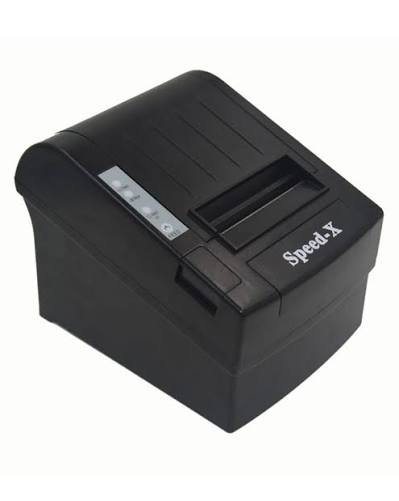
Choosing a manufacturing partner is an important decision for businesses that rely on thermal printing equipment. Product quality, operational reliability, and long-term supply consistency can all influence business performance. While pricing and product specifications are important considerations, the manufacturer’s industry experience deserves equal attention.
An experienced Thermal Printer Manufacturer is more likely to understand the technical challenges involved in designing, producing, and testing different types of printing equipment. Years of manufacturing experience can also help a company develop efficient production methods, improve quality control, and respond to changing customer requirements. Understanding these advantages makes it easier for buyers to evaluate potential suppliers and make informed purchasing decisions.
1. Better Understanding of Thermal Printing Technology
Thermal printing involves specialized technologies that require knowledge of electronic components, printheads, printing mechanisms, and software integration. Manufacturers with substantial industry experience have generally had more opportunities to work with different printer designs and technical requirements.
They may understand the practical differences between direct thermal and thermal transfer printing, including the materials, operating conditions, and applications associated with each method.
This knowledge helps manufacturers develop products that meet specific business needs. It also supports more informed decisions when selecting components and designing printer mechanisms.
2. Improved Product Design and Engineering
Experience plays an important role in product development. Manufacturers that have worked on multiple printer generations often gain valuable knowledge about design limitations, common performance issues, and opportunities for improvement.
This experience can influence several aspects of product engineering, including:
- Printer housing design and durability.
- Internal component arrangement.
- Paper-feeding mechanisms.
- Printhead positioning and performance.
- Connectivity and interface options.
- Heat management and power efficiency.
An experienced engineering team may also identify potential design problems earlier in the development process, reducing the likelihood of costly modifications after production begins.
3. More Consistent Manufacturing Quality
Maintaining consistent quality across large production volumes requires established procedures and careful process management. Manufacturers develop these practices through technical experience, repeated production cycles, and continuous evaluation.
Experienced companies may have more mature inspection systems covering incoming components, assembly operations, and finished products.
For thermal printers, quality checks can include printing clarity, barcode readability, paper-feed accuracy, connectivity, and mechanical performance.
Consistent manufacturing procedures help reduce variations between individual units. This is particularly important for distributors and businesses that purchase equipment in bulk and expect similar performance across their inventory.
4. Greater Ability to Identify and Prevent Production Problems
Manufacturing challenges can occur at different stages of production. Component defects, assembly inaccuracies, software compatibility issues, and mechanical problems may affect the performance of finished printers.
An experienced manufacturer is more likely to recognize recurring problems and understand their underlying causes.
For example, if a printer repeatedly experiences paper-feeding issues, the technical team can investigate the roller mechanism, sensor positioning, paper specifications, and assembly tolerances.
Instead of relying only on corrective repairs, experienced production teams can introduce preventive measures that address problems before products leave the factory.
5. Stronger Component Selection and Supplier Relationships
Thermal printers depend on components that must work together reliably. Printheads, motors, control boards, sensors, rollers, and power supplies all contribute to the final product’s performance.
Manufacturers with established industry experience may have developed relationships with component suppliers and gained a better understanding of material quality.
They can use this knowledge when evaluating component specifications, comparing suppliers, and selecting suitable parts for different printer models.
Reliable sourcing practices also help manufacturers manage component availability and maintain more consistent production schedules.
6. More Efficient Production Processes
Experience allows manufacturers to refine production workflows over time. Repeated manufacturing activities help teams identify unnecessary steps, improve workstation arrangements, and coordinate different production stages more effectively.
An efficient production process may include:
- Standardized assembly procedures.
- Organized component preparation.
- Appropriate use of automated equipment.
- Clearly defined inspection stages.
- Better coordination between production departments.
- Regular equipment maintenance.
These improvements can reduce production errors, minimize material waste, and support more predictable manufacturing timelines.
For buyers, efficient production management may translate into better order fulfillment and fewer unexpected delays.
7. Greater Flexibility for Customized Requirements
Not every business can use standard thermal printer models. Some require specific product dimensions, customized branding, different connectivity options, or modified firmware.
Manufacturing experience can help a company manage these requirements more effectively because its engineering and production teams may have handled similar projects in the past.
An experienced manufacturer may be better prepared to assess whether a requested modification is technically practical, identify the components involved, and estimate the development timeline.
Businesses considering OEM or ODM services should ask about previous customization projects, prototype development procedures, minimum order quantities, and the technical support available throughout production.
8. Better Support for Different Industry Applications
Thermal printing equipment is used in many business environments, and each application may have different operating requirements.
For example, retail stores often need receipt printers that support frequent transactions. Warehouses require barcode label printers that can produce readable identification labels. Delivery companies may prefer compact mobile printers for field operations.
Manufacturing experience across multiple industries can help a supplier understand these differences.
It may also support more appropriate product recommendations based on printing volume, environmental conditions, connectivity requirements, and workflow compatibility.
9. More Reliable Technical Troubleshooting
Technical support becomes particularly valuable when printers are integrated into business operations. A device that stops printing or fails to communicate with connected software can interrupt important activities.
Manufacturers with experienced technical teams may be more familiar with common hardware and software issues.
They may provide assistance with:
- Printer installation and configuration.
- Driver and software compatibility.
- Network and wireless connectivity.
- Print-quality problems.
- Paper-feed and cutting issues.
- Firmware updates.
- Routine maintenance procedures.
A manufacturer’s ability to explain technical problems clearly and provide practical solutions should be considered during the supplier evaluation process.
10. Better Understanding of Industry Standards and Compliance
Thermal printers are electronic products that may need to meet specific safety, electromagnetic compatibility, and environmental requirements in different markets.
Manufacturers with established industry experience are often more familiar with the documentation and testing processes associated with international product distribution.
However, buyers should not assume that experience automatically guarantees compliance. They should request relevant certificates and test reports and verify that the documentation applies to the exact printer models being considered.
Understanding compliance requirements helps businesses reduce potential difficulties when importing, distributing, or using electronic equipment in regulated markets.
11. More Realistic Production Planning and Delivery Estimates
Manufacturing experience also affects how companies plan orders and manage production schedules.
An established manufacturer may have a better understanding of the time needed for component sourcing, assembly, testing, customization, and packaging.
This knowledge can support more realistic delivery estimates and help buyers plan inventory requirements.
When evaluating a supplier, ask how it manages large orders, urgent requirements, seasonal demand, and unexpected component shortages.
It is also useful to review the company’s ability to communicate production updates and explain possible delays.
12. Greater Capacity to Improve Products Over Time
Thermal printer technology continues to develop as businesses demand more efficient printing, improved connectivity, and better integration with digital systems.
Manufacturers with long-term industry involvement may have accumulated useful technical knowledge through product development, customer feedback, and manufacturing improvements.
This experience can support ongoing improvements in areas such as:
- Wireless and network connectivity.
- Printing speed and accuracy.
- Energy efficiency.
- Device compatibility.
- Product durability.
- User-friendly operation.
A manufacturer that regularly reviews product performance and invests in development may be better positioned to adapt to changing market requirements.
13. How to Verify a Manufacturer’s Actual Experience
A company may describe itself as experienced, but buyers should look for evidence that supports these claims.
Several practical checks can help establish whether a manufacturer’s experience is relevant to the required products.
Review company history: Examine how long the company has been involved in thermal printer production and whether its manufacturing activities have remained consistent.
Study its product portfolio: Check whether it produces the specific printer categories required for your business.
Request product samples: Testing samples provides direct information about construction, print quality, and operating performance.
Ask about previous projects: Discuss its experience with similar order volumes, customization requirements, and industry applications.
Examine quality documentation: Request information about inspection procedures, testing capabilities, and relevant certifications.
Evaluate technical communication: Ask detailed questions about specifications, compatibility, and production processes to assess the team’s knowledge.
These steps help distinguish practical manufacturing expertise from general marketing claims.
14. Experience Should Be Considered Alongside Other Selection Factors
Although manufacturing experience is valuable, it should not be the only factor influencing a purchasing decision.
A company with many years in the industry may still have limitations in production capacity, product customization, or after-sales support.
Buyers should compare several factors before making a final choice:
| Evaluation factor | What to examine |
|---|---|
| Manufacturing experience | Relevant industry history and completed projects |
| Production capacity | Ability to fulfill expected order volumes |
| Product quality | Testing procedures and product consistency |
| Engineering resources | Technical development and customization support |
| Component sourcing | Supplier reliability and material quality |
| Delivery performance | Production schedules and order fulfillment |
| After-sales service | Warranty, spare parts, and technical assistance |
Considering these areas together provides a more balanced picture of a manufacturer’s suitability.
Conclusion
Manufacturing experience matters because it can influence nearly every stage of thermal printer production, from product design and component selection to assembly, testing, and technical support. Experienced manufacturers may have developed more effective production procedures, stronger supplier relationships, and a better understanding of different industry requirements.
However, buyers should verify this experience through product samples, technical discussions, quality documentation, and an assessment of actual production capabilities. By combining manufacturing history with practical performance checks, businesses can make a more informed decision and select a supplier capable of supporting their long-term thermal printing requirements.

