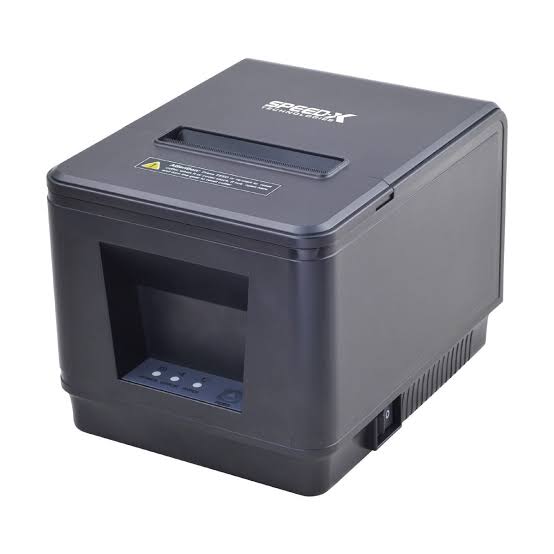
Reliable printing equipment plays an important role in many business operations. Retail stores depend on receipt printers to process transactions, warehouses use label printers to organize inventory, and logistics companies rely on printed shipping information to manage deliveries. As businesses expand, their printing requirements often become more complex, making dependable equipment suppliers an important part of long-term operational planning.
Building a lasting relationship with a trusted Thermal Printer Manufacturer can provide advantages beyond purchasing individual products. A strong manufacturing partnership can improve product consistency, simplify procurement, support customization, and help businesses adapt to changing market demands. Instead of treating each purchase as a separate transaction, companies can develop a supply relationship that supports their wider growth objectives.
1. Maintaining Consistent Product Quality
Product consistency is one of the main reasons businesses benefit from long-term manufacturing relationships. When companies purchase thermal printers from different suppliers, they may encounter variations in print quality, operating performance, components, and compatibility.
Working with an established manufacturing partner can make product specifications and quality expectations easier to maintain. Both parties can develop a clearer understanding of the required printing performance, operating conditions, and technical standards.
Consistency is especially important for businesses that operate multiple locations. Using similar printer models across branches can simplify installation, employee training, maintenance, and replacement procedures.
2. Improving Supply Chain Stability
Unreliable equipment supply can interrupt business operations, particularly when companies depend on printers for daily transactions, labeling, or shipping activities.
A long-term partnership gives manufacturers and buyers more opportunities to coordinate purchasing schedules, production requirements, and inventory planning.
For example, a retailer preparing for seasonal demand can communicate expected printer requirements in advance. The manufacturer can then evaluate production capacity and plan deliveries more effectively.
Although no supplier relationship can eliminate every supply chain risk, ongoing communication and coordinated planning can reduce uncertainty and make procurement more predictable.
3. Reducing Procurement Costs Over Time
The lowest initial purchase price does not always represent the best long-term value. Businesses must also consider product reliability, maintenance expenses, replacement requirements, shipping costs, and operational downtime.
A continuing relationship with a manufacturer may create opportunities to improve purchasing efficiency. Repeat orders can make forecasting easier, while established specifications can reduce the time spent evaluating products for every new purchase.
Potential cost benefits include:
- More predictable purchasing arrangements
- Reduced time spent searching for new suppliers
- Better coordination of bulk orders
- Fewer compatibility-related replacement expenses
- More efficient communication during procurement
- Improved planning for spare parts and accessories
Any pricing advantages will depend on order volume, product specifications, market conditions, and the agreement between both parties.
4. Making Product Customization Easier
Different businesses have different operational and branding requirements. A standard thermal printer may be suitable for everyday receipt printing, but some companies need specific interfaces, product configurations, housing designs, or packaging arrangements.
A long-term manufacturing partner becomes more familiar with these requirements over time. This can make discussions about product modifications and customized solutions more efficient.
For example, a distributor developing its own printer brand may require customized packaging, logos, firmware settings, or selected hardware configurations.
An established relationship can help both sides manage these requirements more systematically, from initial specifications to sample evaluation and production.
5. Supporting Business Expansion
Business growth often brings new technical and purchasing requirements. A small retailer may initially need only a few receipt printers, but expansion into additional locations can increase equipment demand significantly.
Similarly, a logistics company may need more label printers as its warehouse network grows.
A reliable manufacturing relationship can support this transition through better communication, product planning, and coordinated supply arrangements.
Businesses can discuss anticipated demand, evaluate suitable printer models, and establish purchasing plans before expansion takes place.
This makes it easier to maintain consistent equipment standards while introducing printers into new facilities or operating environments.
6. Improving Technical Communication and Support
Thermal printers involve several technical considerations, including print resolution, printing speed, connectivity, media compatibility, drivers, and firmware.
When businesses work with a manufacturer over an extended period, technical discussions can become more focused because both parties understand the products and applications involved.
This familiarity can help resolve questions about installation, configuration, compatibility, and maintenance.
Clear technical communication is particularly valuable when a business integrates printers with POS systems, inventory platforms, warehouse software, or mobile devices.
A strong partnership should also establish clear expectations regarding documentation, troubleshooting procedures, warranty coverage, and available technical assistance.
7. Simplifying Quality Control and Product Evaluation
Product testing is important when purchasing thermal printers in significant quantities. Businesses need to confirm that equipment performs according to the required specifications before placing large orders.
A long-term partnership can make evaluation procedures more consistent. Buyers and manufacturers can agree on important testing criteria, including:
- Print clarity and barcode readability
- Printing speed and output consistency
- Paper or label feeding performance
- Connectivity and software compatibility
- Cutter operation, where applicable
- Durability under expected operating conditions
- Performance across different workloads
Over time, documented testing requirements can help both parties identify recurring issues and improve product consistency.
This is especially useful for companies distributing printers to multiple customers, where product reliability can influence customer satisfaction and brand reputation.
8. Strengthening Inventory and Demand Planning
Poor inventory management can create unnecessary expenses. Excess stock ties up working capital, while insufficient inventory can delay orders and affect business operations.
Long-term manufacturer relationships can improve demand forecasting through regular communication about sales trends, expected orders, and seasonal requirements.
For example, a distributor can share historical purchasing information and expected demand for upcoming quarters. The manufacturer can use this information when reviewing production schedules and component requirements.
Better coordination does not guarantee immediate availability, but it can help both parties make more informed decisions about inventory and manufacturing capacity.
9. Creating Opportunities for OEM and Private Label Growth
OEM and private label businesses often depend on reliable manufacturing partners to develop and supply products under their own brands.
A lasting relationship can make it easier to coordinate product specifications, packaging, branding requirements, and production schedules.
It can also support the gradual development of customized product ranges as the business gains a clearer understanding of customer preferences.
However, OEM projects require careful management of intellectual property, product specifications, quality standards, and contractual responsibilities.
Businesses should establish these expectations clearly before beginning production to reduce misunderstandings and protect their commercial interests.
10. Keeping Up with Technological Developments
Thermal printing technology continues to develop through improvements in wireless connectivity, printhead performance, software integration, and power management.
Businesses that maintain communication with their manufacturing partners may gain better insight into new product capabilities and available technical options.
For example, a company using older wired receipt printers may eventually consider wireless models to support more flexible workstation arrangements.
A knowledgeable manufacturing partner can explain the differences between available technologies and help buyers evaluate whether an upgrade is practical.
This can prevent businesses from investing in features that do not address their actual operational requirements.
11. Reducing Operational Disruptions
Printer problems can affect more than the printing process itself. In retail environments, equipment failures may slow checkout operations. In warehouses, label printing interruptions can delay order preparation and shipping.
A long-term partnership can help businesses establish more organized procedures for handling technical problems and replacement requirements.
Both parties may become familiar with common product issues, spare parts, maintenance needs, and troubleshooting methods.
Businesses can also discuss suitable backup equipment and replacement planning for critical locations.
These measures can reduce the impact of equipment interruptions and help maintain more stable daily operations.
12. Building Trust Through Transparent Communication
Trust is an important part of any long-term supplier relationship. Businesses need accurate information about product specifications, manufacturing capabilities, prices, delivery schedules, and potential limitations.
Manufacturers also benefit when buyers communicate their requirements clearly and provide realistic purchasing forecasts.
Regular communication can help both sides address concerns before they become serious problems.
Useful practices include:
- Confirming technical specifications in writing
- Sharing production and delivery updates
- Discussing quality issues promptly
- Reviewing order performance periodically
- Establishing clear payment and warranty terms
- Documenting agreed changes to products or packaging
Transparency helps create a more professional working relationship and supports better commercial decisions.
13. Supporting Customer Satisfaction and Brand Reputation
For distributors, retailers, and businesses selling equipment under their own brands, product reliability directly affects customer experience.
Frequent printer failures, inconsistent output, or compatibility problems can lead to complaints and additional support costs.
Working with a consistent manufacturing partner can help businesses maintain product standards and improve their ability to respond to customer requirements.
It is also easier to build accurate product documentation and support procedures when the equipment range remains relatively consistent.
Although customer satisfaction depends on many factors, dependable products and responsive technical support can contribute significantly to a positive business reputation.
14. Preparing for Changing Market Requirements
Business environments change as customer expectations, regulations, technology, and operating models develop.
A company that relies on thermal printers today may require different equipment configurations as it adopts new software, expands its distribution network, or introduces automated workflows.
An ongoing manufacturing relationship provides a channel for discussing these changes before new purchasing decisions are made.
Businesses can communicate upcoming requirements and evaluate whether existing printer models remain suitable or whether updated solutions are needed.
This forward-looking approach can help reduce the risk of making equipment decisions without considering future operational needs.
15. Choosing the Right Long-Term Manufacturing Partner
Not every supplier is suitable for a lasting business relationship. Buyers should evaluate manufacturing capabilities, product quality, communication, technical support, and commercial reliability before making a commitment.
Important selection factors include:
Manufacturing experience: Review the supplier’s experience with the relevant types of thermal printers and business applications.
Product range: Check whether the manufacturer offers suitable receipt, label, mobile, or other thermal printing solutions.
Quality management: Ask about production inspections, functional testing, and procedures for addressing defects.
Customization capabilities: Determine whether the manufacturer can support OEM, private label, or application-specific requirements.
Technical support: Evaluate the availability of product documentation, troubleshooting guidance, firmware information, and replacement components.
Production capacity: Confirm whether the manufacturer can support current order volumes and potential future demand.
Commercial transparency: Review pricing arrangements, minimum order quantities, delivery terms, warranties, and payment conditions.
Comparing these factors can help businesses select a partner based on long-term value rather than price alone.
Conclusion
Long-term partnerships with thermal printer manufacturers can contribute to business growth by improving product consistency, supply chain coordination, procurement efficiency, customization, and technical communication. These advantages become particularly important as companies increase order volumes, expand into new markets, or integrate printing equipment with more advanced digital systems.
A successful partnership requires more than repeat purchasing. It depends on transparent communication, clearly defined quality standards, realistic demand planning, and mutual commitment to continuous improvement. By selecting a capable manufacturing partner and maintaining a structured working relationship, businesses can build a more dependable printing supply strategy that supports both current operations and future growth.