

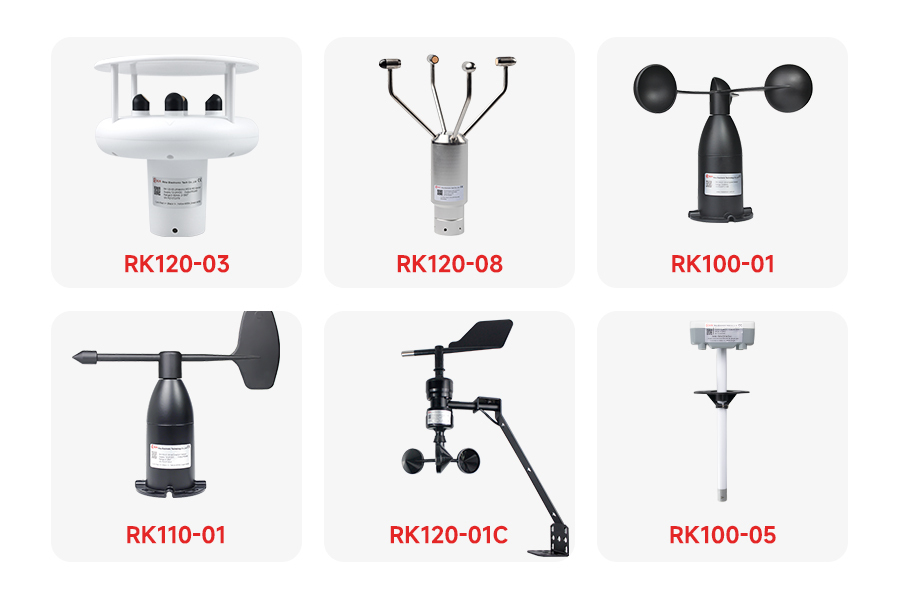
A modern wind speed instrument is a sophisticated device designed to measure the velocity of air accurately and reliably. These instruments are essential in meteorology, renewable energy, aviation, marine navigation, and environmental research. Understanding the key components that make up a wind speed instrument is crucial for selecting, installing, and maintaining a device that delivers precise and actionable data.
A Wind Speed Instrument typically integrates several mechanical, electronic, and digital components to measure wind velocity, convert it into electrical signals, and transmit data for analysis. Each component plays a distinct role in ensuring accuracy, durability, and ease of use. From sensors and data processors to protective housings, the design of a modern wind speed instrument reflects advances in technology that enhance performance in a variety of environmental conditions.
Table of Contents
ToggleSensing Elements
The sensing element is the core of any wind speed instrument. It is the component that directly interacts with the airflow and converts its movement into measurable data. Traditional wind speed instruments use mechanical elements such as cup anemometers or vane anemometers. In cup anemometers, the wind rotates cups mounted on a horizontal arm, and the rotational speed is proportional to wind velocity. Vane anemometers combine a rotor and a directional vane to measure both speed and direction.
Modern instruments often employ non-mechanical sensing elements, such as ultrasonic transducers. Ultrasonic wind speed instruments measure the time it takes for sound waves to travel between transducers. The wind alters the travel time, allowing the instrument to calculate wind speed and direction accurately without moving parts. These ultrasonic elements improve durability, reduce maintenance requirements, and provide rapid response to changing wind conditions.
Signal Conversion and Electronics
Once the sensing element detects wind movement, the information must be converted into electrical signals that can be processed and analyzed. This function is handled by the instrument’s electronic components. Analog signals from mechanical sensors are typically converted to digital form using analog-to-digital converters (ADCs), while ultrasonic sensors often produce digital output directly.
The electronic circuitry also includes amplification and filtering systems to ensure that signals are free from noise or distortion. Advanced electronics enable high-resolution measurements, allowing the instrument to detect minor variations in wind speed that are critical for meteorology, aviation, and wind energy applications.
Data Processing Unit
A modern wind speed instrument contains an integrated data processing unit that interprets the raw electrical signals and converts them into readable measurements of wind speed and, in many cases, wind direction. This unit may include microcontrollers or embedded processors that calculate averages, detect gusts, and compensate for environmental factors such as temperature or air density.
Some instruments feature onboard memory or storage to record historical data for analysis. This capability is particularly valuable for research, energy planning, and climate monitoring, as it provides long-term records that reveal trends and patterns in wind behavior.
Protective Housing
The protective housing is essential for maintaining sensor performance and longevity. It shields the internal components from environmental factors such as rain, snow, dust, ice, and direct sunlight. Durable materials such as UV-resistant plastics, stainless steel, or corrosion-resistant coatings are commonly used to ensure the instrument can withstand harsh conditions, including offshore or high-altitude installations.
For mechanical sensors, the housing also supports moving parts, allowing smooth rotation and preventing interference from debris or insects. In ultrasonic sensors, the housing ensures proper alignment of transducers and minimizes acoustic interference while maintaining a compact and aerodynamic design.
Mounting Hardware
Accurate wind measurement requires correct placement and stable mounting. Modern wind speed instruments include mounting hardware such as poles, brackets, and vibration-damping systems. These components ensure the instrument remains upright, aligned, and isolated from vibrations that could distort readings.
Standardized mounting heights and locations help reduce turbulence caused by nearby structures, ensuring that measurements reflect true ambient wind conditions. Adjustable mounts may also allow fine-tuning of orientation for optimal sensor performance.
Power Supply and Connectivity
A modern wind speed instrument requires a reliable power supply, which may be provided through wired connections, batteries, or solar panels. The power system must support continuous operation in diverse environmental conditions.
Connectivity options have evolved to include digital interfaces, wireless transmission, and integration with data loggers or control systems. These features enable real-time monitoring, automated alerts, and remote calibration, making the instruments more versatile and user-friendly.
Calibration and Maintenance Features
Many modern wind speed instruments include self-diagnostic and calibration features to maintain accuracy over time. Automated or remote calibration helps compensate for environmental effects or component wear. Maintenance-friendly designs, such as easy access to mechanical parts or modular electronics, ensure that the instrument continues to provide reliable data with minimal downtime.
Conclusion
A modern wind speed instrument integrates multiple components—sensing elements, electronics, data processing units, protective housings, mounting hardware, power systems, and connectivity features—to deliver accurate and reliable wind measurements. Innovations in ultrasonic sensing, digital processing, and durable design have enhanced performance, reduced maintenance, and enabled real-time data integration. Understanding the roles of these key components allows operators, researchers, and engineers to select and maintain wind speed instruments that provide precise, actionable data for weather monitoring, aviation, renewable energy, and environmental research applications.