

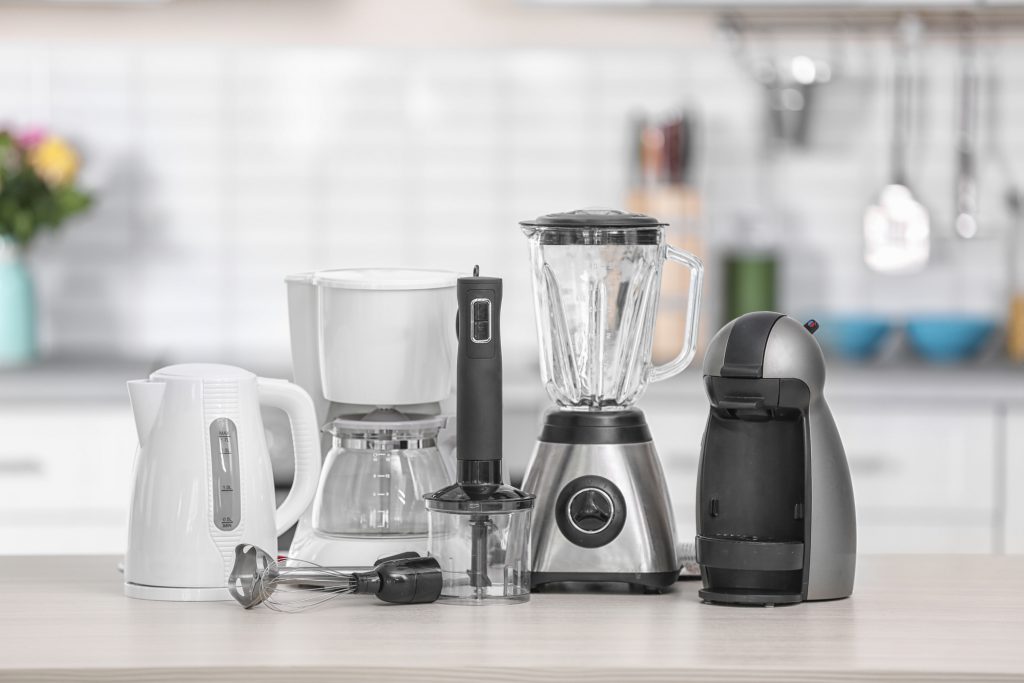
Smart home technology is reshaping the modern kitchen at a rapid pace. From voice-controlled assistants to app-connected cooking devices, consumers now expect appliances to be more intelligent, efficient, and integrated with their digital lifestyles. This transformation is pushing the entire home appliance industry to evolve quickly.
In this changing environment, a kitchen appliance supplier plays an essential role in bridging traditional manufacturing with modern smart technologies. A forward-thinking kitchen appliance supplier must continuously adapt its product sourcing, distribution strategies, and partnerships to meet growing demand for smart-enabled kitchen solutions.
Table of Contents
ToggleThe Rise of Smart Kitchens
Smart kitchens are becoming increasingly common in modern households. These kitchens rely on connected devices that can communicate with smartphones, voice assistants, and other smart home systems.
Key features of smart kitchens include:
- Remote appliance control via mobile apps
- Voice command integration
- Automated cooking settings
- Energy usage monitoring
- Real-time performance tracking
As consumers adopt these technologies, suppliers must ensure their product offerings align with these expectations.
Why Smart Technology Matters in Kitchen Appliances
Smart technology enhances convenience, efficiency, and precision in everyday cooking tasks. It allows users to control appliances more accurately and reduce manual effort.
Benefits of smart appliances include:
- Improved cooking accuracy
- Time-saving automation
- Better energy efficiency
- Personalized cooking experiences
- Enhanced safety features
These advantages are driving strong demand for smart-enabled kitchen appliances across global markets.
How Suppliers Respond to Technological Shifts
Kitchen appliance suppliers must adjust their strategies to keep up with rapid technological changes. This includes sourcing new types of products and building relationships with manufacturers that specialize in smart technology.
Common adaptation strategies include:
- Partnering with smart appliance manufacturers
- Expanding digital product catalogs
- Introducing IoT-enabled appliances
- Updating inventory systems for tech-based products
- Training teams on new product technologies
These steps help suppliers remain competitive in a technology-driven marketplace.
Integration of IoT in Kitchen Appliances
The Internet of Things (IoT) has become a core component of modern kitchen appliances. It allows devices to connect, share data, and be controlled remotely.
IoT-enabled appliances often include:
- Smart ovens with remote temperature control
- Wi-Fi-connected coffee machines
- App-controlled air fryers
- Smart refrigerators with monitoring systems
Suppliers must ensure they understand how these technologies function to effectively support retailers and distributors.
Expanding Product Portfolios for Smart Devices
To stay relevant, suppliers are expanding their product ranges to include more smart-enabled appliances. This diversification helps meet the growing demand for connected home solutions.
Updated product portfolios may include:
- Smart blenders and juicers
- Connected cooking appliances
- Digital air fryers with presets
- Voice-controlled kettles
- App-integrated food processors
A broader product range helps suppliers serve both traditional and tech-focused markets.
Importance of Software and Digital Compatibility
Unlike traditional appliances, smart kitchen devices rely heavily on software systems. Suppliers must ensure that the products they distribute are compatible with common digital platforms.
Key considerations include:
- Mobile app compatibility (iOS and Android)
- Integration with voice assistants
- Firmware update support
- Stable wireless connectivity
- User-friendly interfaces
Ensuring compatibility reduces technical issues and improves customer satisfaction.
Training and Technical Knowledge for Suppliers
As appliances become more advanced, suppliers must also develop technical knowledge. Understanding product features and software systems helps them support retailers and end users more effectively.
Training may cover:
- Smart device configuration
- Troubleshooting connectivity issues
- Understanding IoT ecosystems
- Explaining product features to buyers
This knowledge helps suppliers provide better service and build stronger business relationships.
Data-Driven Inventory Management
Smart appliances often generate data related to usage trends and customer preferences. Suppliers can use this information to improve inventory planning and demand forecasting.
Data-driven benefits include:
- Better demand prediction
- Reduced overstocking
- Faster product rotation
- Improved seasonal planning
This allows suppliers to respond more efficiently to changing consumer behavior.
Logistics Challenges with Smart Appliances
Smart kitchen appliances often require more careful handling due to sensitive electronic components. Suppliers must adjust logistics strategies accordingly.
Important logistics considerations include:
- Protective packaging for electronic components
- Careful temperature and humidity control
- Secure transportation for delicate devices
- Tracking systems for high-value products
These measures ensure that products arrive in perfect working condition.
Collaboration with Tech-Focused Manufacturers
Suppliers increasingly work with manufacturers that specialize in smart technology. These partnerships help ensure a steady supply of innovative products.
Collaboration often involves:
- Joint product development
- Testing new smart features
- Sharing market feedback
- Coordinating product launches
Such partnerships strengthen the supplier’s position in the evolving market.
Future Outlook for Smart Kitchen Supply Chains
The future of kitchen appliance supply is closely tied to continued technological advancement. Smart homes are expected to become even more integrated and automated.
Future trends may include:
- AI-powered kitchen appliances
- Fully automated cooking systems
- Greater voice and gesture control integration
- Expanded IoT ecosystems
- Real-time energy optimization tools
Suppliers that adapt early to these trends will remain competitive in the long term.
Final Thoughts
Smart home technology is transforming the kitchen appliance industry, and suppliers must evolve to keep up with these changes. From expanding product ranges to improving technical knowledge and logistics systems, adaptation is essential for success.
A modern kitchen appliance supplier plays a key role in connecting innovative smart technologies with global markets. By embracing digital transformation and IoT-driven appliances, suppliers can meet consumer expectations and remain competitive in an increasingly connected world.