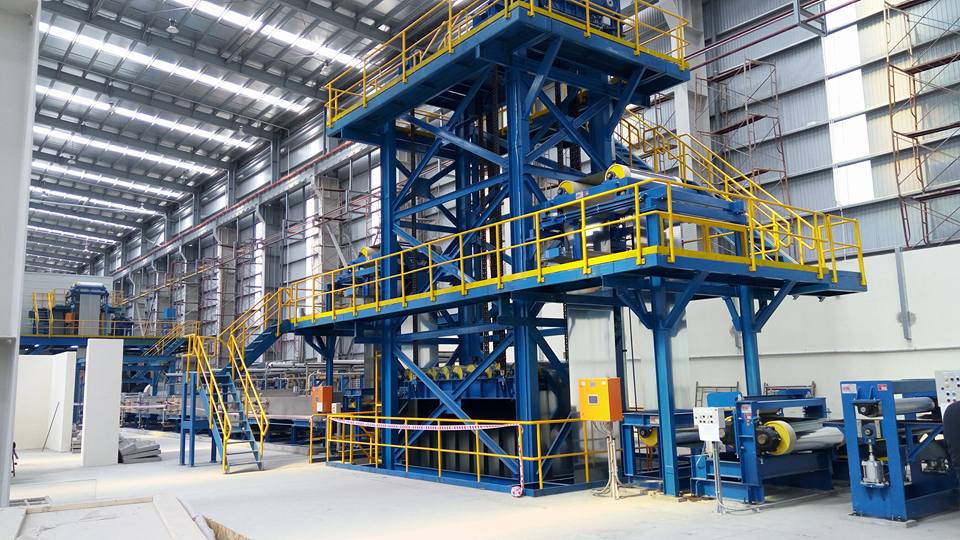
Hot dip galvanizing has remained one of the most dependable methods for protecting steel from corrosion for many decades. As industrial demands continue to grow, manufacturers are looking for better ways to improve efficiency, coating quality, and operational stability. This has led to continuous improvement in process design and equipment development.
A well-structured hot dip galvanizing line is expected to evolve further through better process control, improved material handling, and more refined coating techniques in the years ahead.
Table of Contents
ToggleOngoing Improvement in Process Stability
One of the main directions of development is achieving greater stability in production conditions. Consistent control of temperature, timing, and chemical balance is essential for producing uniform coatings.
Future improvements are expected to focus on:
- More stable furnace heating systems
- Better regulation of zinc bath conditions
- Improved control of steel movement
- Reduced variation in coating thickness
These refinements help ensure more reliable production outcomes.
Advancements in Heating and Energy Use
Energy efficiency and heat management remain important concerns in galvanizing operations. Future systems are likely to place greater emphasis on reducing energy loss while maintaining steady operating temperatures.
Expected developments include:
- Improved furnace insulation materials
- Better recovery of waste heat
- More balanced fuel usage systems
- Enhanced thermal stability in coating zones
These changes will support more efficient and controlled production environments.
Improved Coating Uniformity Techniques
Achieving consistent coating thickness across different steel shapes and sizes continues to be an important goal. Future developments will likely focus on more precise control of coating formation.
Areas of improvement include:
- More accurate immersion timing
- Better control of withdrawal speed
- Improved air wiping systems
- Enhanced zinc flow regulation
These advancements help ensure more even and durable coatings.
Better Material Handling Systems
Steel movement through the galvanizing process must remain smooth and uninterrupted. Future systems are expected to include more refined handling methods to reduce delays and improve coordination.
Improvements may involve:
- More stable transport mechanisms
- Reduced mechanical vibration during movement
- Better synchronization between process stages
- Safer handling of heavy steel sections
These upgrades support smoother production flow.
Enhanced Surface Preparation Methods
Surface preparation remains a critical stage in ensuring coating quality. Future developments will likely focus on improving cleaning efficiency and chemical control.
Possible improvements include:
- More effective removal of surface impurities
- Better control of chemical concentration
- Reduced processing time without quality loss
- Improved rinsing and drying systems
Stronger preparation leads to better coating adhesion.
Integration of Process Control Systems
Future galvanizing plants are expected to rely more on integrated control systems that coordinate all stages of production. This helps maintain consistent conditions throughout the entire process.
Such integration allows:
- Unified control of furnace, bath, and cooling systems
- Better coordination between mechanical and chemical stages
- Improved response to process changes
- Greater stability in production flow
This ensures smoother and more reliable operation.
Focus on Product Quality and Durability
As industrial requirements become more demanding, emphasis on product quality will continue to grow. Galvanized steel must meet strict standards for strength, appearance, and corrosion resistance.
Future improvements aim to achieve:
- Longer coating life
- More uniform surface finish
- Reduced coating defects
- Better performance in harsh environments
This supports wider use in critical applications.
Safety and Operational Improvements
Safety will remain an important part of future galvanizing systems. With high temperatures and chemical processes involved, safer working conditions are always necessary.
Future focus areas include:
- Better separation of process zones
- Improved heat protection systems
- Safer material handling methods
- Reduced exposure to hazardous areas
These improvements help maintain a safer working environment.
Conclusion
The future of galvanizing technology will continue to focus on improving efficiency, stability, and coating quality. Advances in process control, energy use, and material handling will shape more reliable production systems.
A modern hot dip galvanizing line will continue to evolve as industries demand higher performance and more consistent steel protection. These developments will support long-term improvements in both industrial productivity and product durability.