

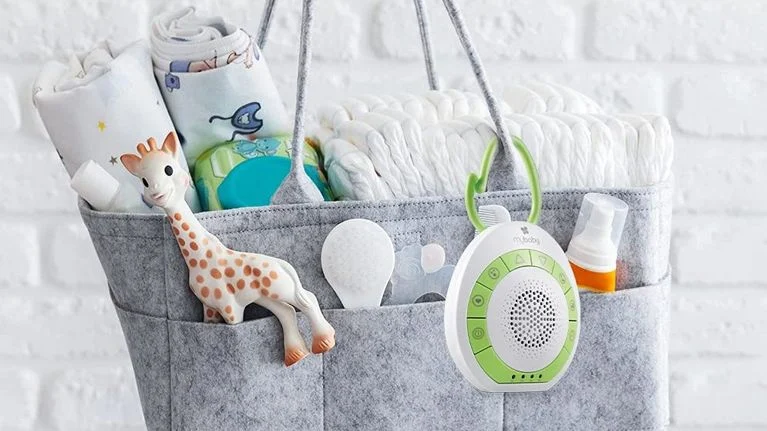
Setting up a nursery involves many decisions, but one of the most important aspects is creating a calm and consistent sleep environment. Since infants are highly sensitive to environmental noise, even small disruptions can affect their ability to fall asleep and stay asleep. As a result, many parents turn to sound-based sleep aids to improve rest quality.
A widely used option is the baby sound machine, which helps mask background noise and create a soothing atmosphere. With many models available on the market, comparing features and functionality can help parents choose the most suitable device for their nursery setup.
Table of Contents
ToggleWhy Nursery Sound Control Matters
Nurseries are often located within active areas of the home, where sound levels can fluctuate throughout the day and night. Common disruptions include:
- Household movement and conversations
- Kitchen or appliance noise
- Outdoor traffic or neighborhood sounds
- Sudden unexpected noises
Because infants have lighter and more frequent sleep cycles than adults, these disruptions can easily cause waking or difficulty settling.
How Baby Sound Machines Help in Nursery Settings
Sound machines work by producing a steady background audio layer that helps mask sudden environmental noise. This creates a more predictable and calming sleep environment for infants.
Benefits include:
- Reduced sensitivity to sudden noises
- Longer and more stable sleep periods
- Easier bedtime transitions
- Improved nap consistency
By maintaining a consistent sound environment, these devices support healthier sleep routines.
Comparing Common Sound Types
Different baby sound machines offer a variety of audio options. Understanding these can help parents select the right fit for their nursery.
White Noise
White noise is the most commonly used option. It provides a consistent sound that helps mask environmental disturbances.
Pink and Brown Noise
These are softer variations of white noise, often perceived as more natural and less intense for sensitive infants.
Nature Sounds
Options like rainfall, ocean waves, or forest ambience can create a calming nursery atmosphere.
Lullabies
Soft music or lullabies can help establish bedtime routines and provide emotional comfort.
Key Features to Compare
When evaluating different baby sound machines for nursery use, several features are worth considering.
Sound Quality and Range
A wide range of high-quality sounds ensures flexibility as the baby grows and their preferences change.
Volume Control
Precise volume adjustment is essential for safe and comfortable use in a nursery environment.
Continuous Playback
Reliable, uninterrupted sound helps maintain sleep stability throughout naps and nighttime rest.
Timer Functions
Timers allow parents to customize how long the sound runs, supporting structured sleep routines.
Portability
Lightweight and portable models are useful for families who move the device between rooms or travel frequently.
Ease of Use in Nursery Settings
Parents often need to make quick adjustments during nighttime care. Devices with simple controls and intuitive interfaces are easier to manage in low-light or sleep-deprived situations.
Important usability factors include:
- Clear buttons or touch controls
- Easy sound selection
- Quick volume adjustments
- Memory settings for preferred sounds
Ease of use contributes significantly to daily convenience.
Safety Considerations for Nursery Use
Safety is a key factor when selecting any baby sleep product. Sound machines should be designed with infant safety in mind.
Important safety features include:
- Stable, non-tip design
- Safe volume limits
- Child-safe materials
- Secure placement options
Proper placement in the nursery is also important, ensuring the device is not too close to the crib or directly within reach of the baby.
Portability vs. Stationary Use
Some families prefer a fixed nursery setup, while others benefit from portable devices that can be used in different rooms.
- Stationary models are ideal for consistent nursery placement
- Portable models are better for travel or multi-room use
Choosing between the two depends on lifestyle and daily routines.
Supporting Healthy Sleep Routines
While sound machines are helpful, they work best when combined with consistent sleep habits. Babies respond well to predictable routines that signal bedtime.
Helpful practices include:
- Maintaining consistent sleep schedules
- Using dim lighting before bedtime
- Creating a calm pre-sleep environment
- Pairing sound cues with bedtime routines
These habits help reinforce sleep associations over time.
Final Thoughts
Comparing baby sound machines for nursery setup involves more than just looking at sound options. Factors such as safety, usability, portability, and sound quality all play important roles in creating an effective sleep environment. A well-chosen device can help mask disruptions, support consistent sleep routines, and create a calmer nursery atmosphere. By carefully evaluating available features, parents can select a baby sound machine that best supports their infant’s sleep needs and overall comfort.