

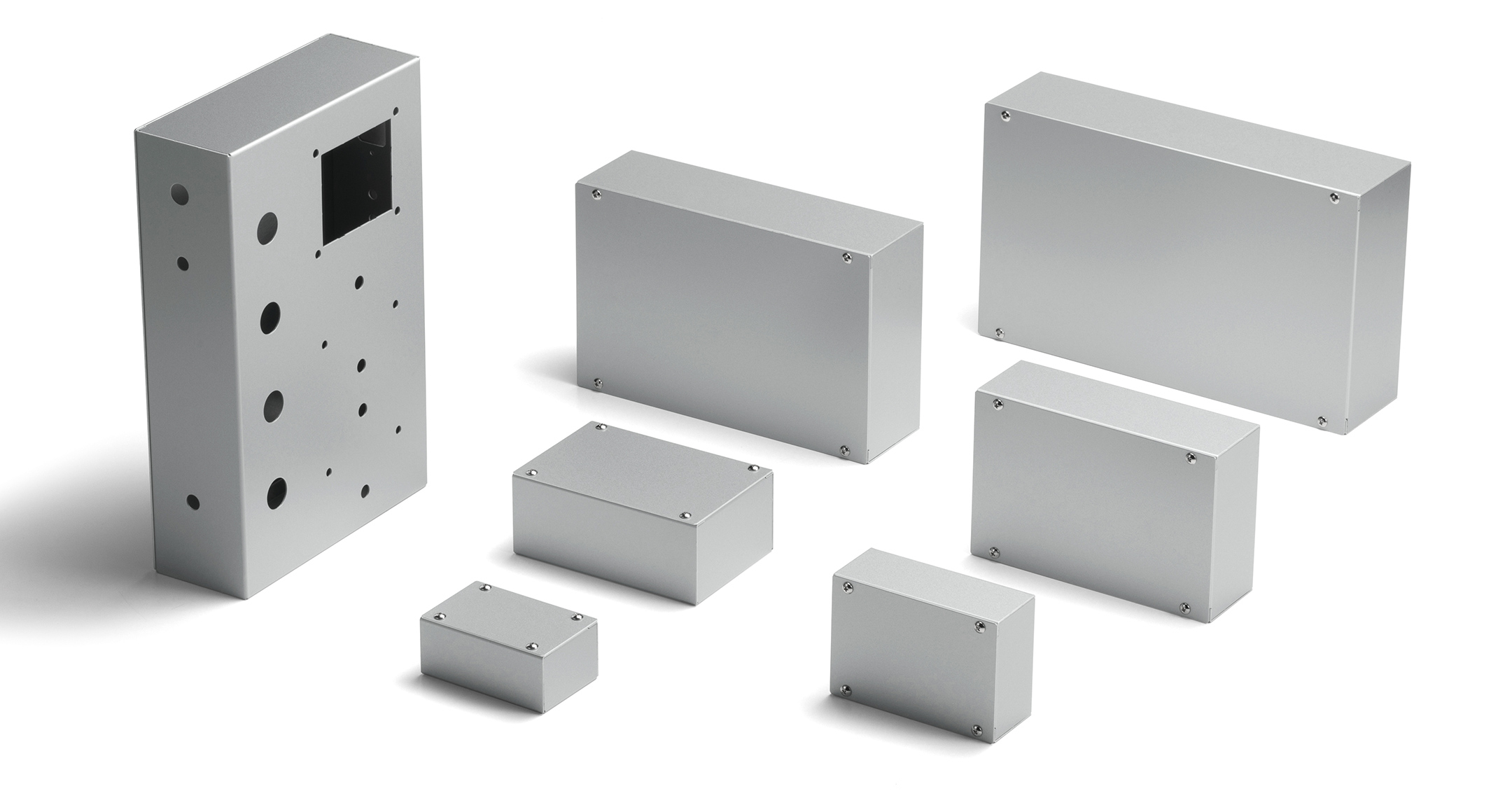
Aluminium extrusion enclosures are widely used in industrial and electronic systems where mechanical stability, durability, and long-term performance are essential. Their design is based on extruded aluminium profiles, which provide a strong yet lightweight structure capable of withstanding demanding operating conditions. As industries continue to evolve, the need for robust enclosure solutions has become increasingly important.
Working with a skilled aluminium enclosure manufacturer ensures that structural integrity is not compromised during design or production. An aluminium extrusion enclosure is engineered to deliver enhanced strength through optimized geometry, precision manufacturing, and high-quality materials, making it suitable for critical industrial applications.
Table of Contents
ToggleThe Role of the Extrusion Process in Structural Strength
The extrusion process is the foundation of the mechanical strength found in these enclosures. During extrusion, aluminium is forced through a die to create continuous profiles with consistent cross-sections. This process allows engineers to design shapes that maximize strength while minimizing material usage.
Key benefits of extrusion in structural performance include:
- Uniform material distribution for consistent strength
- Ability to design reinforced internal geometries
- Reduced weak points compared to assembled sheet structures
- High resistance to bending and deformation
This engineered structure is what gives extrusion enclosures their superior mechanical reliability.
High Strength-to-Weight Ratio
One of the most important advantages of aluminium extrusion enclosures is their excellent strength-to-weight ratio. They provide strong structural support without adding excessive weight to the system.
This benefits industrial applications by:
- Reducing load on mounting structures and equipment
- Improving portability for mobile systems
- Enhancing installation efficiency
- Maintaining durability in compact designs
This balance of strength and lightweight construction is especially valuable in automation, transportation, and electronics industries.
Reinforced Structural Design
Extrusion enclosures are designed with internal reinforcements that improve rigidity and load-bearing capacity. These reinforcements are integrated into the profile itself, rather than added later in assembly.
Common structural enhancements include:
- Ribbed internal channels for added strength
- Thickened wall sections in high-stress areas
- Interlocking frame designs for stability
- Reinforced corners and connection points
These features help the enclosure maintain its shape and integrity even under mechanical stress or vibration.
Resistance to Vibration and Mechanical Stress
Industrial environments often expose equipment to continuous vibration and physical impact. Aluminium extrusion enclosures are engineered to handle these conditions without structural failure.
Their advantages include:
- High resistance to vibration-induced fatigue
- Stable performance under dynamic loads
- Reduced risk of joint loosening or deformation
- Long-term mechanical reliability
This makes them ideal for machinery, transportation systems, and industrial automation setups.
Precision Engineering and Tight Tolerances
Structural strength is not only about material but also about manufacturing precision. Accurate machining ensures that all components fit together securely, reducing structural weaknesses.
Precision benefits include:
- Tight dimensional tolerances for perfect assembly
- Secure alignment of modular components
- Reduced stress concentration at joints
- Improved load distribution across the structure
A professional aluminium enclosure manufacturer ensures that every component is produced with consistent accuracy.
Modular Construction for Enhanced Stability
Extrusion enclosures often use modular construction systems that improve both flexibility and strength. The ability to assemble multiple profiles into a rigid frame increases overall structural stability.
Modular advantages include:
- Strong interlocking frame systems
- Easy reinforcement with additional profiles
- Scalable designs for larger enclosures
- Secure integration of internal components
This modular approach allows engineers to build complex structures without compromising rigidity.
Surface Treatment and Long-Term Durability
Surface finishing also contributes indirectly to structural strength by protecting the material from corrosion and wear. This ensures that the enclosure maintains its integrity over time.
Common treatments include:
- Anodizing for corrosion resistance and surface hardness
- Powder coating for environmental protection
- Protective sealing for harsh industrial conditions
These treatments extend the lifespan of the enclosure and preserve its mechanical properties.
Thermal Stability and Structural Performance
Aluminium extrusion enclosures also maintain structural stability under temperature changes. Aluminium’s thermal conductivity helps distribute heat evenly, preventing localized expansion or stress.
Thermal benefits include:
- Reduced risk of warping under heat
- Stable performance in high-temperature environments
- Protection of internal components from overheating
- Improved overall system reliability
This is particularly important in power electronics and industrial control systems.
Conclusion
Aluminium extrusion enclosures significantly improve structural strength through engineered profiles, reinforced designs, and precision manufacturing. Their high strength-to-weight ratio, vibration resistance, and modular construction make them ideal for demanding industrial applications.
By working with an experienced aluminium enclosure manufacturer, businesses can ensure that each aluminium extrusion enclosure is designed for maximum durability, stability, and long-term performance. As industrial systems continue to advance, extrusion technology will remain a key solution for achieving strong and reliable enclosure structures.