

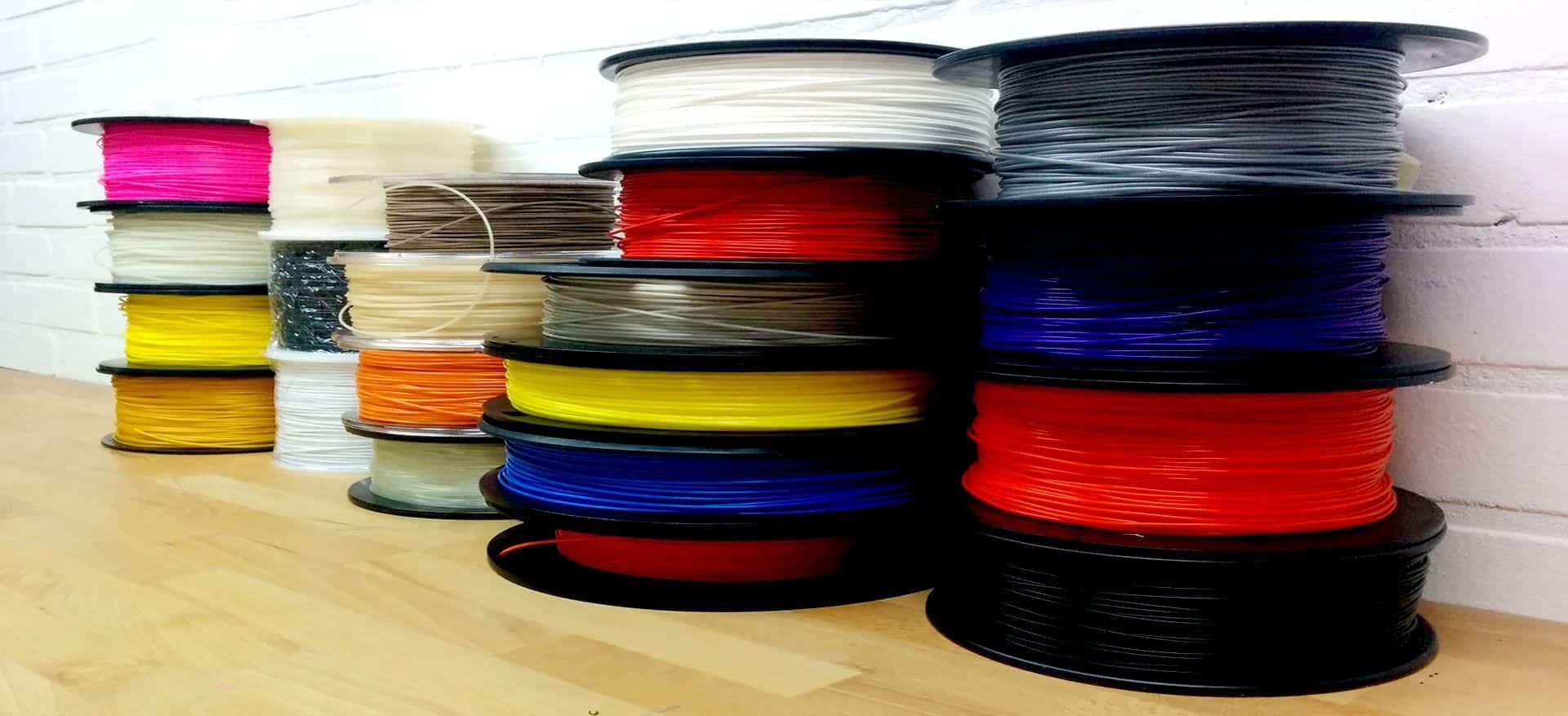
When choosing 3D printing materials, one common decision is whether to buy a PETG bundle or stick with single spools. Both options use the same base material, but they differ in cost efficiency, workflow flexibility, and use-case suitability. Understanding these differences helps you optimize both budget and printing convenience.
In general, the choice depends on how often you print, the variety of colors or materials you need, and whether you prioritize cost savings or testing flexibility. A typical example of a PETG bundle setup includes multiple spools of PETG designed for high-volume or multi-project printing environments.
Table of Contents
ToggleWhat Is a PETG Bundle?
A PETG bundle is a multi-spool package that usually includes several identical or mixed-color PETG spools sold together. These bundles are commonly used by makers, print farms, and frequent users who need a steady supply of filament.
Key characteristics of PETG bundles:
- Multiple spools in one purchase
- Lower cost per spool in many cases
- Often designed for bulk or continuous printing
- May include color or material variations
Bundles are especially useful for users who print regularly and want to reduce downtime caused by reordering filament frequently.
What Is a Single Spool?
A single spool refers to buying one roll of PETG at a time. This is the most common option for beginners or occasional users who do not need large quantities of filament.
Key characteristics of single spools:
- One spool per purchase
- Higher cost per unit compared to bundles
- Ideal for testing or small projects
- Greater flexibility in switching materials or colors
Single spools are often preferred when experimenting with different brands, colors, or print settings.
PETG Bundle vs Single Spool: Key Differences
Both options use the same PETG material, but the purchasing strategy changes how you manage cost, workflow, and usage.
1. Cost Efficiency
Bundles generally offer a lower price per kilogram of filament compared to single spools. This makes them more economical for frequent users or large-scale printing.
Single spools, while more expensive per unit, reduce upfront cost and financial commitment.
2. Convenience and Workflow
- PETG bundles reduce the need for frequent reordering
- Single spools are easier to manage for small projects
- Bundles are better suited for continuous or batch printing
For high-volume printing environments, bundles reduce downtime and improve efficiency.
3. Flexibility
Single spools offer more flexibility because you can easily switch between different materials, colors, or brands without committing to a large quantity.
Bundles are less flexible if they contain fixed colors or formulations, but they are efficient for standardized production.
4. Storage and Handling
Bundles require more storage space and careful moisture control since multiple spools need protection. PETG is sensitive to humidity, so proper storage is essential.
Single spools are easier to store and manage, especially in small workspaces or home setups.
When to Choose a PETG Bundle
A PETG bundle is the better choice if you:
- Print frequently or run a print farm
- Want to reduce long-term filament costs
- Need consistent material for multiple projects
- Prefer buying in bulk to avoid reordering often
Bundles are particularly efficient for functional parts, prototyping workflows, and production environments where consistency matters.
When to Choose Single Spools
Single spools are ideal if you:
- Are a beginner exploring PETG printing
- Print occasionally or in small quantities
- Want to test different brands or colors
- Prefer lower upfront investment
This option provides flexibility without requiring a large commitment.
Final Verdict
Both PETG bundles and single spools serve important roles in 3D printing workflows. Bundles are best for cost efficiency and high-volume production, while single spools offer flexibility and lower entry cost.
If your printing needs are consistent and frequent, a PETG bundle is usually the more economical and practical choice. However, if you are experimenting or printing occasionally, single spools provide the freedom to explore different materials without overcommitting.
Choosing between the two ultimately depends on your printing habits, budget, and project scale.