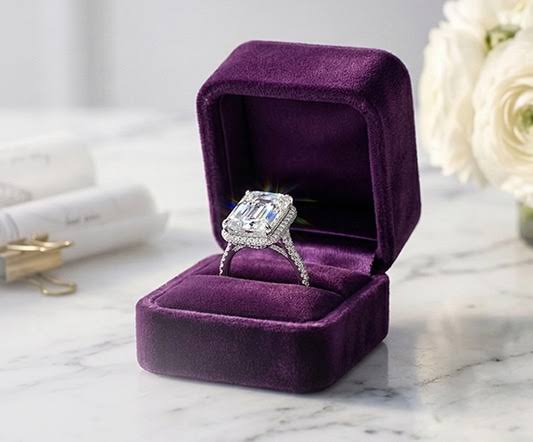
Ordering a custom diamond ring is an exciting process because it allows buyers to create jewelry that reflects their personal taste and preferences. From selecting the center diamond to choosing the metal, setting, and decorative details, every decision contributes to the final design. However, the number of available options can also make the process confusing, particularly for first-time buyers.
When ordering a Custom Lab Grown Diamond Ring, it is important to look beyond the appearance of the finished jewelry. Diamond quality, product specifications, manufacturing standards, pricing, and after-sales support all deserve attention. Understanding common ordering mistakes can help buyers make informed decisions, avoid unnecessary expenses, and receive a ring that meets their expectations.
1. Choosing a Diamond Based Only on Carat Weight
One of the most common mistakes is assuming that a higher carat weight automatically means a better diamond. Carat measures weight, not overall beauty or visual quality.
Two diamonds with the same carat weight can look different because of variations in shape, depth, proportions, and cut quality. A heavier diamond may also appear smaller from the top if more of its weight is concentrated below the surface.
Before selecting a diamond, compare:
- Carat weight.
- Face-up measurements.
- Cut quality and proportions.
- Color and clarity.
- Shape and symmetry.
- Overall light performance.
For round brilliant diamonds, cut grading can provide useful information about brightness and light return. Fancy shapes, such as oval, pear, and emerald, require careful visual evaluation because they may not have equivalent standardized cut grades.
2. Ignoring the Difference Between Diamond Shapes
Diamond shape has a significant influence on the ring’s appearance. Choosing a shape simply because it is fashionable may lead to disappointment if it does not match the wearer’s preferences.
Round, oval, cushion, emerald, pear, marquise, and princess shapes each create a different visual effect.
For example, an oval diamond has an elongated outline, while an emerald-cut diamond has a rectangular shape with step-cut facets. A round brilliant diamond offers a symmetrical appearance and a different pattern of sparkle.
Buyers should compare several shapes and consider how each one looks with the intended setting and band. The best choice is the one that suits the wearer’s personal style rather than a trend alone.
3. Overlooking Diamond Grading Documentation
A diamond’s appearance is important, but buyers should also understand its documented characteristics. Without reliable grading information, it can be difficult to compare stones accurately.
Ask the supplier whether the diamond comes with grading documentation from a recognized gemological laboratory, such as IGI or GIA, where applicable.
Review the document for details such as:
- Confirmation that the diamond is laboratory-grown.
- Carat weight.
- Color grade.
- Clarity grade.
- Measurements.
- Identification or report number.
Grading services and report formats may vary, so buyers should confirm what the documentation covers. They should also check that the report details correspond to the actual diamond being supplied.
4. Selecting a Setting Without Considering Durability
A beautiful setting should also hold the diamond securely. Some designs require more maintenance than others, particularly those with delicate prongs or numerous small accent stones.
For example, pavé settings use small diamonds held by tiny metal structures. Although they create additional sparkle, they may require more frequent inspections than simpler designs.
Before approving a setting, consider:
- How securely the center diamond will be held.
- Whether the prongs protect vulnerable diamond edges.
- The thickness and strength of the band.
- The height of the center setting.
- How easily the ring can be cleaned and maintained.
A qualified manufacturer should explain how the proposed setting supports the selected diamond and suits the intended use.
5. Choosing a Metal Without Understanding Its Properties
The metal affects the ring’s color, weight, durability, maintenance, and overall cost. Choosing one based only on appearance can create problems later.
Common options include yellow gold, white gold, rose gold, and platinum.
| Metal | Appearance | Important Consideration |
|---|---|---|
| Yellow gold | Warm and traditional | Can develop surface scratches |
| White gold | Bright, neutral finish | Rhodium plating may need renewal |
| Rose gold | Warm pink tone | Color comes from its alloy composition |
| Platinum | Naturally white and substantial | Can develop a patina through wear |
Buyers should consider skin sensitivities, metal purity, maintenance requirements, and budget. If the ring will be worn daily, the metal should suit the wearer’s lifestyle as well as the selected design.
6. Setting an Unrealistic Budget
Customization offers many possibilities, but adding more features can increase the final cost. A larger center diamond, intricate metalwork, additional gemstones, and specialized settings may all affect the price.
A common mistake is focusing only on the diamond price without considering the complete ring.
A realistic budget should account for:
- Center diamond.
- Precious metal.
- Setting and craftsmanship.
- Accent diamonds or gemstones.
- Engraving and customization.
- Shipping and applicable taxes.
- Resizing or after-sales services, if charged separately.
Ask for an itemized quotation so that you understand what is included. This also makes it easier to compare different manufacturers without overlooking important costs.
7. Failing to Communicate Design Requirements Clearly
Custom jewelry depends on clear communication between the buyer and manufacturer. A general description such as “a simple modern ring” may be interpreted differently by different designers.
Provide specific references and explain the features that matter most.
For example, mention:
- Preferred diamond shape and carat range.
- Desired metal type and color.
- Band width and thickness.
- Setting style.
- Accent stone preferences.
- Engraving requirements.
- Preferred ring profile and height.
Reference photographs can help communicate visual preferences, but explain which details you want to reproduce and which you want to change. This reduces the risk of misunderstandings during production.
8. Skipping the CAD Design Review
Many custom ring manufacturers use computer-aided design (CAD) models to show the proposed ring before manufacturing.
Skipping this review can lead to problems with proportions, setting height, band thickness, or decorative details.
Before approving the design, examine:
- The ring from the top.
- The side profile.
- The underside of the setting.
- The center diamond’s position.
- The band width and thickness.
- The placement of accent stones.
- The overall balance of the design.
Ask questions if any part of the model is unclear. Once production begins, making major changes may become difficult or costly.
It is also important to understand that a CAD model is a design preview, not necessarily an exact representation of the finished ring’s color, polish, or final appearance.
9. Forgetting to Confirm the Correct Ring Size
Incorrect ring sizing is another common ordering mistake. A ring that is too tight can be uncomfortable, while one that is too loose may slip off.
Ring size can also be influenced by band width, temperature, and individual finger shape.
Before placing an order:
- Have the finger measured by a qualified jeweler.
- Confirm the sizing system being used.
- Check whether the band is narrow or wide.
- Ask whether the design can be resized later.
- Confirm the manufacturer’s resizing policy.
Do not rely entirely on an old ring measurement, especially if the new design has a significantly different band width.
10. Prioritizing Appearance Over Everyday Comfort
A ring may look attractive in a photograph but feel inconvenient when worn regularly.
High settings, sharp edges, oversized decorative elements, and very wide bands can affect comfort.
Consider the wearer’s daily routine before choosing the final design. Someone who frequently works with their hands may prefer a low-profile setting with protected diamond edges. A person who wears jewelry mainly for special occasions may be comfortable with a more elaborate design.
The ring should provide a suitable balance between visual appeal and practical use.
11. Not Checking the Manufacturer’s Experience
The quality of a custom ring depends on more than the diamond. Design experience, metalworking skills, stone-setting techniques, and quality-control procedures all influence the finished product.
Before choosing a manufacturer, review its previous work and ask relevant questions.
Look for:
- Examples of completed custom rings.
- Experience with different diamond shapes and settings.
- Clear product specifications.
- Design and customization capabilities.
- Quality inspection procedures.
- Communication during production.
- Warranty and repair arrangements.
A manufacturer should be able to explain the production process and answer technical questions without relying only on promotional claims.
12. Ignoring Production Time and Delivery Arrangements
Custom jewelry generally requires more preparation than purchasing a ready-made ring. The process may involve design discussions, CAD approval, diamond selection, manufacturing, setting, polishing, and final inspection.
Buyers should not assume that every custom order can be completed within a short period.
Before confirming the order, ask about:
- Design approval deadlines.
- Estimated production time.
- Diamond availability.
- Shipping arrangements.
- Delivery tracking.
- Packaging and insurance.
- Procedures for delays or unexpected changes.
If the ring is intended for an engagement, anniversary, or another important event, place the order well in advance.
13. Overlooking the Return, Resizing, and Warranty Policies
Custom-made jewelry may have different return conditions from standard ready-made products. Some manufacturers restrict returns on personalized items, while others provide specific options for resizing or correcting manufacturing issues.
Read the relevant policies before paying a deposit or confirming production.
Important questions include:
- Can the ring be returned or exchanged?
- Are design changes allowed after approval?
- Is resizing available?
- What does the warranty cover?
- Who pays for shipping during repairs?
- Are loose stones or manufacturing defects covered?
- What happens if the finished ring does not match the approved specifications?
Get important terms in writing so that both parties have a clear understanding of their responsibilities.
14. Assuming Lab Grown Diamonds Are Imitation Stones
Some buyers mistakenly believe that lab grown diamonds are simply diamond substitutes. In reality, laboratory-grown diamonds are genuine diamonds with essentially the same chemical composition, crystal structure, hardness, and optical properties as natural diamonds.
They are different from simulants such as cubic zirconia or moissanite.
The main distinction is their origin. Natural diamonds form underground over geological periods, while lab grown diamonds are produced through controlled processes such as High Pressure High Temperature (HPHT) and Chemical Vapor Deposition (CVD).
Understanding this distinction helps buyers evaluate their options based on personal preferences, budget, and purchasing priorities.
15. Choosing a Diamond Without Comparing Actual Appearance
Product photographs can make diamonds appear larger, brighter, or more attractive depending on camera angles and lighting conditions.
Relying on a single photograph can make it difficult to judge the stone accurately.
Request clear images or videos showing the diamond from different angles. If possible, compare stones under similar lighting conditions.
Pay attention to:
- Face-up appearance.
- Brightness and sparkle.
- Shape symmetry.
- Visible inclusions.
- Color appearance.
- Bow-tie effects in certain fancy shapes.
For a more informed decision, compare the actual diamond’s appearance alongside its grading information and measurements.
16. Forgetting to Plan for Long-Term Maintenance
Even a well-made diamond ring requires regular care. Oils, dust, soap, and cosmetics can collect on the stone and reduce its brilliance. The metal band and setting can also experience gradual wear.
Before ordering, ask the manufacturer about cleaning recommendations and professional inspection services.
A useful maintenance plan may include:
- Cleaning with warm water, mild dish soap, and a soft brush when appropriate.
- Avoiding chlorine and harsh household chemicals.
- Removing the ring during heavy manual work.
- Storing it separately from other jewelry.
- Checking for loose stones or damaged prongs.
- Arranging periodic professional inspections.
Knowing how to care for the ring helps protect the investment and maintain its appearance.
17. Not Reviewing the Finished Ring Before Acceptance
The final inspection is an important step in the ordering process. Buyers should compare the completed ring with the approved design and order specifications.
Check the following details:
| Inspection Area | What to Verify |
|---|---|
| Center diamond | Shape, carat weight, and identification documentation |
| Metal | Correct type, color, and purity |
| Setting | Secure stone placement and balanced construction |
| Band | Correct size, width, and thickness |
| Engraving | Accurate spelling, dates, and symbols |
| Finish | Consistent polishing and clean detailing |
| Documentation | Relevant grading report and order information |
If something does not match the agreed specifications, contact the manufacturer before considering the order complete.
18. A Practical Checklist Before Placing Your Order
Reviewing the main details in advance can make the custom ordering process more organized.
-
Confirm the total budget.
-
Choose the preferred diamond shape and carat range.
-
Review diamond grading documentation.
-
Compare actual measurements and appearance.
-
Select the metal and setting style.
-
Confirm ring size and design dimensions.
-
Review and approve the CAD model.
-
Obtain a complete quotation.
-
Read return, resizing, and warranty policies.
-
Confirm production and delivery timelines.
-
Understand cleaning and maintenance requirements.
Taking time to complete these steps can reduce uncertainty and help prevent avoidable mistakes.
Conclusion
Ordering a custom lab grown diamond ring involves several important decisions, and overlooking small details can affect the final result. Choosing a diamond based only on carat weight, ignoring grading documentation, selecting an unsuitable setting, or failing to review the CAD design can lead to unnecessary complications.
Buyers should compare diamond characteristics, communicate their preferences clearly, understand the manufacturer’s policies, and inspect the finished ring carefully. With proper planning and attention to craftsmanship, it is possible to create a personalized diamond ring that combines attractive design, comfortable wear, and reliable quality.