Choosing the right plastic film is important for businesses that need reliable packaging, product protection, and material performance. Among the commonly used options, PVC and polyethylene films are widely recognized for their versatility and practical applications. Although both materials are used in packaging and industrial environments, they have different properties that make them suitable for specific purposes.
Understanding the differences between these two materials can help manufacturers, distributors, and packaging businesses make better purchasing decisions. Factors such as transparency, flexibility, durability, moisture resistance, processing requirements, and cost should all be considered before selecting a suitable film.
What Is Clear PVC Film?
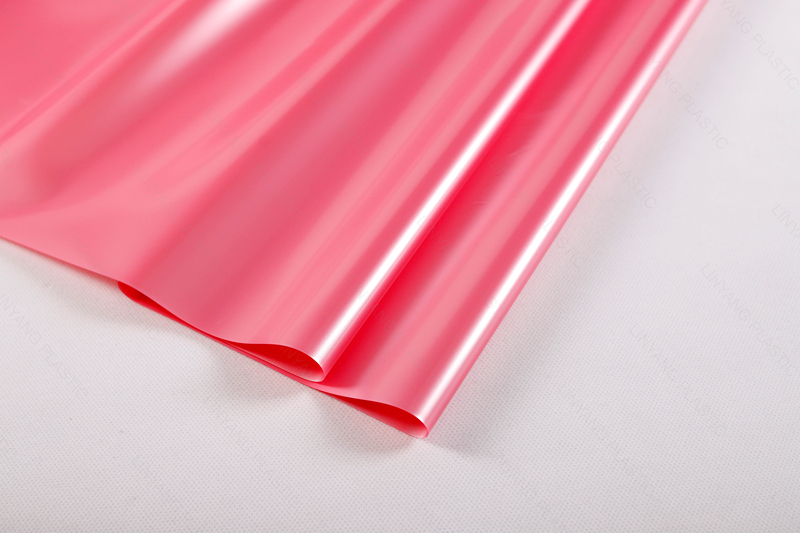
Clear PVC film is a transparent plastic material manufactured from polyvinyl chloride, a thermoplastic polymer used in various commercial and industrial applications.
It is available in different thicknesses and formulations, including flexible and semi-rigid options. Its transparency makes it useful for packaging and applications where visibility is important.
One of its main advantages is its adaptability. Depending on the formulation, it can be cut, shaped, printed, and fabricated for different purposes. Businesses looking for a material that combines visibility with practical protection often consider Clear PVC Film for suitable packaging and industrial applications.
What Is Polyethylene Film?
Polyethylene film is made from polyethylene, one of the most widely used plastic polymers in the world. It is commonly available in flexible film formats and is valued for its lightweight construction, moisture resistance, and versatility.
Different types of polyethylene are used to manufacture plastic films, including:
- LDPE (Low-Density Polyethylene): Known for its flexibility, softness, and suitability for wrapping and packaging.
- LLDPE (Linear Low-Density Polyethylene): Offers useful stretch properties and puncture resistance, making it common in stretch wrapping.
- HDPE (High-Density Polyethylene): Generally provides greater stiffness and strength compared with lower-density polyethylene grades.
Polyethylene film is widely used for shopping bags, protective wrapping, agricultural coverings, shipping materials, and industrial packaging.
Clear PVC Film vs. Polyethylene Film: Key Differences
Although both materials serve packaging and protective purposes, their characteristics differ in several important ways.
1. Transparency and Appearance
Clear PVC film is often selected for applications requiring a smooth, transparent appearance. It can provide good optical clarity, making it suitable for retail packaging and product display applications.
Polyethylene film is also available in transparent grades, but its clarity varies depending on its type, thickness, and manufacturing process. Some PE films may have a slightly cloudy or translucent appearance.
Which is better? PVC is often preferred when clear product visibility and presentation are important, while PE is suitable for applications where transparency is useful but not necessarily the primary requirement.
2. Flexibility and Stretchability
Both materials are available in flexible forms, but their behavior under stress is different.
Flexible PVC film can bend and adapt to different shapes. Its softness depends largely on the plasticizer content and overall formulation.
Polyethylene film, particularly LLDPE, is known for its stretchability and ability to accommodate movement without easily tearing. This makes it popular for pallet wrapping and shipping applications.
Which is better? PVC can be suitable for flexible protective covers and display packaging, while PE is often a stronger choice for stretch wrapping and applications requiring significant elongation.
3. Moisture Resistance
Moisture protection is essential for many packaging applications.
Polyethylene has excellent moisture barrier properties and is commonly used to protect products from humidity and water exposure.
PVC also provides useful resistance to moisture and water, although its overall barrier performance depends on the film formulation and thickness.
Which is better? PE is generally preferred when moisture barrier performance is a major priority, particularly in flexible packaging.
4. Durability and Mechanical Strength
The durability of plastic films depends on their thickness, formulation, and intended application.
PVC film can offer a useful balance of flexibility, strength, and resistance to everyday wear. Certain grades are suitable for protective coverings and applications requiring repeated handling.
Polyethylene film is known for its toughness, impact resistance, and flexibility. LLDPE grades, in particular, offer good resistance to punctures and tearing.
Which is better? The answer depends on the application. PVC can be suitable for transparent protective applications, while PE is commonly preferred for demanding wrapping and packaging tasks.
5. Temperature Performance
Temperature conditions can influence the performance of both materials.
PVC properties vary depending on the formulation, and certain flexible grades may become less flexible in cold environments. Heat exposure can also affect its dimensional stability and long-term performance.
Polyethylene also has temperature limitations, although its performance varies between LDPE, LLDPE, and HDPE grades.
Which is better? Neither material is universally superior. Businesses should compare the specific temperature ratings and technical specifications of the grades being considered.
6. Processing and Manufacturing
Both PVC and PE films can be processed using different industrial techniques, but their manufacturing requirements differ.
PVC film can be suitable for printing, cutting, forming, and heat-sealing processes when the appropriate grade and equipment are used.
Polyethylene film is commonly processed through extrusion, converting, printing, and sealing operations. Its suitability depends on the specific PE formulation and production method.
Manufacturers should test material compatibility with their packaging machinery before selecting a film for large-scale production.
Common Applications of Clear PVC Film
Clear PVC film is used in different industries because of its transparency, flexibility, and adaptable manufacturing properties.
Some common applications include:
- Retail packaging: Used for transparent sleeves, product covers, and selected display packaging.
- Industrial curtains: Helps create flexible barriers between different working areas.
- Protective covers: Used for furniture, equipment, and selected commercial products.
- Construction: Suitable for certain transparent partitions and temporary protective coverings.
- Decorative packaging: Used for gift packaging and display components where product visibility matters.
Its suitability depends on the required thickness, formulation, and environmental conditions.
Common Applications of Polyethylene Film
Polyethylene film is especially popular in packaging applications that require flexibility, moisture resistance, and practical material performance.
Typical uses include:
- Stretch wrapping: Used to secure products and pallet loads during transportation.
- Shopping bags: Commonly manufactured from LDPE and HDPE.
- Agricultural films: Used for greenhouse coverings, mulch films, and selected crop protection applications.
- Industrial packaging: Helps protect goods from dust, moisture, and handling-related damage.
- Protective liners: Used in storage, construction, and material handling applications.
Its different grades allow manufacturers to select suitable properties for specific packaging requirements.
Advantages and Disadvantages of Each Material
Understanding the strengths and limitations of each material makes comparison easier.
Clear PVC Film
Advantages:
- Good transparency for product visibility.
- Available in flexible and semi-rigid formulations.
- Suitable for different packaging and protective applications.
- Can be processed using suitable printing, cutting, and forming techniques.
- Offers useful durability depending on its specifications.
Limitations:
- Some flexible grades require plasticizers.
- Heat and UV resistance vary by formulation.
- Certain recycling systems may not accept PVC film.
- Environmental and regulatory considerations require attention.
Polyethylene Film
Advantages:
- Excellent moisture resistance.
- Lightweight and flexible.
- Good stretch and puncture resistance in suitable grades.
- Widely used in packaging and industrial applications.
- Available in several formulations with different mechanical properties.
Limitations:
- Optical clarity varies between grades.
- Some applications require thicker material for sufficient stiffness.
- Surface properties can make certain printing and bonding processes more challenging without treatment.
- Environmental performance depends on material use, recycling infrastructure, and disposal practices.
Which Material Should You Choose for Your Business?
The best choice depends on the purpose of the packaging and the performance characteristics required.
Consider clear PVC film when:
- Product visibility is a major priority.
- You need a transparent protective covering.
- Flexible or semi-rigid material options are required.
- The application involves display packaging or transparent partitions.
Consider polyethylene film when:
- Moisture resistance is essential.
- The application requires stretch wrapping.
- Lightweight and flexible packaging is needed.
- Puncture resistance and impact performance are important.
For specialized applications, businesses should also review technical specifications, regulatory requirements, and compatibility with existing manufacturing equipment.
Environmental Considerations: PVC vs. PE
Environmental impact is an important factor when selecting plastic packaging materials.
Both PVC and polyethylene can be recycled through appropriate systems, but collection and processing availability vary depending on location and material composition.
Polyethylene generally has more established recycling streams in many regions, particularly for certain packaging formats. PVC recycling is also possible, although collection and sorting can be more challenging for some products.
Businesses can make more responsible choices by reducing unnecessary material use, selecting suitable thicknesses, minimizing manufacturing waste, and investigating local recycling options.
It is also important to consider the complete life cycle of each material rather than evaluating environmental performance based on a single characteristic.
Conclusion
Clear PVC film and polyethylene film both offer useful properties for packaging and industrial applications, but they serve different purposes. PVC is often selected for its transparency, flexibility, and suitability for protective and display applications. Polyethylene is widely preferred for moisture-resistant packaging, stretch wrapping, and applications requiring toughness and flexibility.
The right choice depends on product requirements, environmental conditions, processing methods, and budget. By comparing these characteristics carefully, businesses can select a material that delivers the required performance while supporting efficient and practical packaging operations.