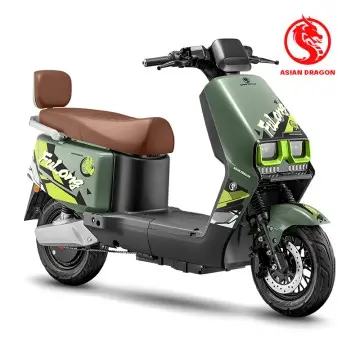
Electric bicycles have become an increasingly practical transportation option for commuters, recreational riders, and people looking for more flexible ways to travel. One of the technologies supporting this growth is the lithium-ion battery. Its relatively high energy density, rechargeable design, and manageable weight make it well suited to modern electric bicycle systems.
Battery performance affects how far an electric bicycle can travel, how much assistance its motor can provide, and how convenient it is to recharge. When evaluating a Lithium Ion Electric Bike, buyers should consider more than the battery’s advertised capacity. Charging requirements, motor compatibility, temperature management, and long-term durability all influence the ownership experience.
Understanding Lithium-Ion Battery Technology
Lithium-ion batteries store and release energy through the movement of lithium ions between internal electrodes. During discharge, the stored energy powers the electric bicycle’s motor and electronic components. Connecting the battery to a compatible charger reverses this process and restores its energy.
This technology is widely used in electric bicycles because it offers several practical characteristics:
- High energy density: Stores a useful amount of energy relative to battery weight.
- Rechargeable operation: Supports repeated charging and everyday use.
- Compact construction: Allows manufacturers to integrate batteries into different frame designs.
- Good power delivery: Supplies energy to motors and supporting electrical systems.
- Flexible capacity options: Accommodates bicycles designed for different riding distances and performance requirements.
These advantages make lithium-ion batteries a common choice for modern electric mobility.
How Battery Capacity Influences Riding Range
Battery capacity determines how much electrical energy an electric bicycle can store. It is commonly expressed in watt-hours (Wh), which provides a useful measurement when comparing different battery systems.
A battery with a higher watt-hour rating generally has greater potential range than a smaller battery when other conditions are similar. However, actual distance per charge depends on the efficiency of the complete bicycle system.
Factors That Affect Battery Range
Several variables influence how quickly an electric bicycle uses its stored energy:
- Rider and cargo weight: Additional load requires more energy to move.
- Terrain: Steep hills and rough surfaces can increase motor demand.
- Riding speed: Higher speeds generally require more energy.
- Assistance settings: Stronger motor assistance can reduce available range.
- Tire pressure: Underinflated tires increase rolling resistance.
- Weather: Low temperatures can temporarily affect battery output and available capacity.
- Riding style: Frequent acceleration and abrupt speed changes may increase energy consumption.
Understanding these conditions helps riders develop realistic expectations instead of depending entirely on maximum range estimates.
Battery Efficiency and Electric Motor Performance
Battery efficiency is closely connected to motor performance. The battery supplies electrical energy, while the motor converts that energy into mechanical movement.
A well-matched battery, motor, and controller can provide smooth assistance without placing unnecessary demands on the electrical system. Compatibility is therefore essential when choosing an electric bicycle or replacing its battery.
The Role of Battery Voltage
Voltage describes the electrical potential supplied by the battery. It must match the requirements of the motor and controller.
A higher voltage does not automatically mean that an electric bicycle will travel farther. Range depends more directly on available energy, system efficiency, and riding conditions.
The Importance of the Controller
The controller regulates the power delivered from the battery to the motor. It helps manage acceleration, assistance levels, and other operating functions.
A suitable controller can support predictable power delivery and efficient operation. However, it must be compatible with the battery and motor specifications.
Charging Time and Everyday Convenience
Charging time depends on battery capacity, charger output, remaining energy, temperature, and the battery’s charging characteristics.
Larger batteries generally require more time to recharge when using the same charger. Charging may also slow as the battery approaches full capacity, which helps manage the final stage of the process.
Tips for Convenient Charging
Electric bicycle owners can make charging more manageable by following a few practical habits:
- Charge the battery in a dry and suitable location.
- Use the charger approved by the manufacturer.
- Check the charging cable and connector for visible damage.
- Follow the recommended charging procedure.
- Avoid charging a battery outside its specified temperature range.
- Plan charging around regular commuting and recreational schedules.
For people who travel longer distances, a removable battery can be particularly convenient because it allows charging away from the bicycle when the design supports this feature.
Benefits of Lithium-Ion Electric Bikes
Lithium-ion technology provides several advantages that make electric bicycles suitable for different transportation needs.
1. Lightweight Energy Storage
Lithium-ion batteries can store substantial energy without adding as much weight as some older rechargeable battery technologies. This helps manufacturers create bicycles that remain relatively manageable while offering useful riding range.
2. Flexible Riding Applications
Different battery capacities allow electric bicycles to serve a variety of purposes. Smaller systems may suit local commuting, while larger batteries can support longer journeys and more demanding routes.
3. Reduced Direct Emissions
Electric bicycles produce no direct exhaust emissions during operation. When they replace suitable journeys made by fuel-powered vehicles, they can help reduce local air pollution and fuel consumption.
Their overall environmental impact still depends on electricity generation, battery manufacturing, product lifespan, and responsible recycling.
4. Convenient Daily Transportation
Motor assistance can reduce the physical effort required for cycling, particularly when climbing hills or traveling longer distances. Riders can adjust assistance levels according to their fitness, route, and personal preferences.
5. Rechargeable Operation
A rechargeable battery allows owners to use the bicycle repeatedly without purchasing fuel. Charging from a suitable household electrical supply can make daily operation convenient, depending on local electricity access and charging requirements.
Understanding Battery Lifespan and Degradation
Lithium-ion batteries gradually lose some of their ability to store energy as they age. This process is known as battery degradation and occurs naturally through repeated use and chemical aging.
Battery lifespan is often described in charging cycles. One equivalent full cycle represents the use of 100% of the battery’s capacity, even when that energy is consumed through several partial discharges.
Common Signs of Battery Aging
Owners may notice the following changes as a battery becomes older:
- Reduced distance from a full charge.
- More frequent charging requirements.
- Changes in charging behavior.
- Reduced performance under demanding conditions.
- Unexpected drops in the displayed battery level.
These symptoms can also result from electrical or charger problems, so professional inspection may be useful before deciding that the battery needs replacement.
Maintenance Practices for Better Battery Performance
Proper battery care can help reduce unnecessary wear and support dependable operation.
Avoid Extreme Temperatures
High temperatures can accelerate battery aging, while cold conditions may temporarily reduce available capacity. Store and charge the battery within the temperature range recommended by the manufacturer.
Use Compatible Charging Equipment
Always use the approved charger or a replacement that meets the manufacturer’s specifications. Incompatible charging equipment can create safety risks and damage battery components.
Follow Storage Recommendations
If the bicycle will not be used for an extended period, follow the manufacturer’s instructions for storage charge levels and periodic checks. Avoid leaving the battery completely depleted for long periods.
Inspect the Battery Regularly
Check the battery casing, mounting points, and electrical connections for visible damage. If the battery becomes swollen, unusually hot, or physically damaged, stop using it and seek professional assistance.
Important Features to Consider Before Buying
Choosing a lithium-ion electric bicycle requires attention to the complete product rather than battery capacity alone.
| Feature | What to evaluate |
|---|---|
| Battery capacity | Whether it supports the expected travel distance |
| Voltage | Compatibility with the motor and controller |
| Charger | Charging output and manufacturer approval |
| Motor type | Hub or mid-drive configuration |
| Battery mounting | Removable or integrated design |
| Braking system | Reliable stopping performance |
| Frame design | Comfort, stability, and rider fit |
| Warranty | Coverage for battery and electrical components |
| Service support | Access to repairs and replacement parts |
Buyers should also consider local electric bicycle regulations, including any restrictions on motor power, assisted speed, and permitted riding areas.
The Future of Lithium-Ion Electric Bicycle Technology
Battery development continues to focus on improving energy density, charging performance, thermal management, and service life. Manufacturers are also working to integrate batteries more effectively with motors, controllers, and digital monitoring systems.
Improved battery management technology may help provide more accurate information about battery condition and energy consumption. Advances in manufacturing and recycling could also support more responsible electric transportation systems.
As electric bicycles become more widely adopted, lithium-ion technology is expected to remain an important part of product development.
Conclusion
Lithium-ion batteries have helped make modern electric bicycles lighter, more convenient, and suitable for a wide range of transportation needs. Their energy capacity, rechargeable operation, and compatibility with different bicycle designs offer practical benefits for everyday riders.
When choosing an electric bicycle, it is important to evaluate battery capacity, charging time, motor compatibility, and long-term maintenance requirements together. With suitable charging habits and responsible care, a well-designed lithium-ion battery system can provide dependable performance and lasting value.