
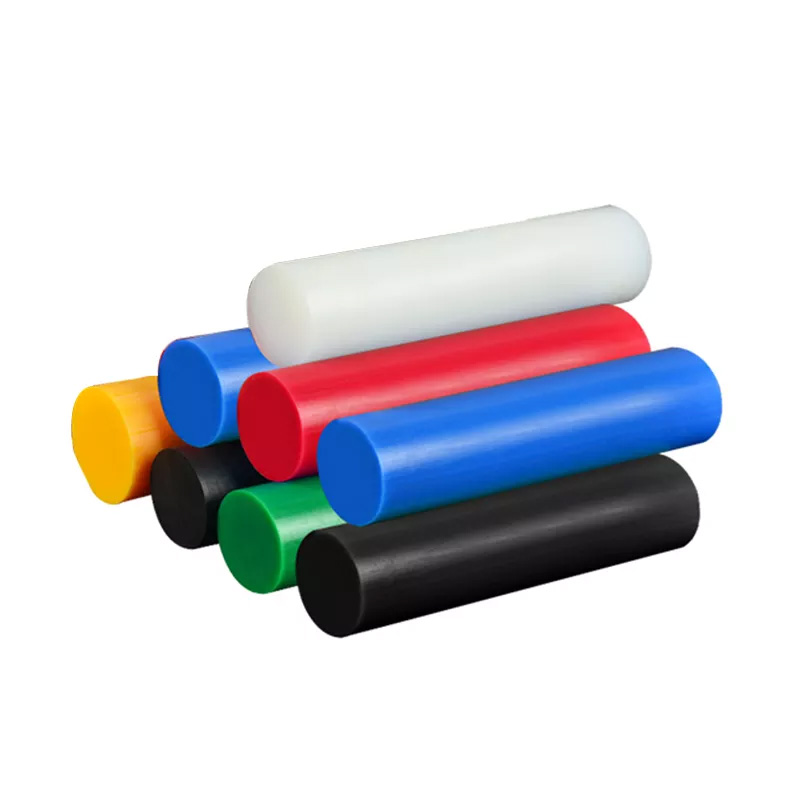
Rubber bars are versatile industrial materials used in manufacturing, machinery maintenance, construction, material handling, and engineering applications. Their flexibility, resilience, and ability to withstand different types of mechanical stress make them useful for producing protective components, cushioning elements, seals, and custom-fabricated parts. A 200mm rubber bar can provide a practical material format for applications that require a specific width or dimensional profile, depending on the manufacturer’s product specifications.
When selecting a 200 Rubber Bar, buyers should consider its dimensions, rubber formulation, hardness, and intended working environment. These factors influence how the material performs under pressure, exposure to chemicals, temperature changes, and repeated movement. Understanding the properties and applications of rubber bars helps businesses choose materials that meet their operational requirements and support reliable equipment performance.
What Is a 200mm Rubber Bar?
A 200mm rubber bar is a rubber material supplied in a bar or strip format with a specified dimension of 200mm. Depending on the product design, this measurement may refer to its width, while thickness and length are determined separately.
Rubber bars can be manufactured from different elastomer compounds to provide particular physical and chemical properties. They may be supplied as solid profiles or in forms suitable for cutting, machining, or further fabrication.
Common characteristics include:
- Elasticity and flexibility.
- Resistance to impact and mechanical stress.
- Ability to absorb vibration.
- Surface protection and cushioning.
- Resistance to selected environmental conditions.
- Suitability for custom fabrication.
Actual performance depends on the material grade, manufacturing process, and operating conditions.
Key Properties of Rubber Bars
Understanding the properties of rubber is essential when choosing a bar for industrial use. Different compounds provide different levels of flexibility, durability, and environmental resistance.
1. Elasticity and Flexibility
Rubber can deform under an applied force and recover toward its original shape when the force is removed. This property makes rubber bars useful for cushioning, sealing, and protective applications.
Their flexibility allows them to accommodate minor surface irregularities and absorb some mechanical movement without behaving like rigid materials.
2. Shock and Impact Absorption
Rubber can absorb part of the energy generated by impacts. This makes it useful in applications where equipment or materials experience repeated contact.
Rubber bars may be fabricated into buffers, protective pads, and impact-resistant components to help reduce mechanical stress on surrounding structures.
3. Abrasion Resistance
Certain rubber compounds offer good resistance to wear caused by friction and repeated contact. This property is particularly valuable in material handling systems and industrial environments where surfaces are exposed to continuous movement.
The level of abrasion resistance varies by formulation, so material specifications should be checked before selection.
4. Chemical Resistance
Some rubber materials can withstand exposure to oils, fuels, water, cleaning agents, or selected industrial chemicals. However, no single rubber formulation is resistant to every substance.
For example, nitrile rubber is commonly selected for applications involving petroleum-based oils, while EPDM is often suitable for outdoor and water-exposed environments. Compatibility should always be verified for the specific chemical and operating conditions.
5. Vibration Reduction
Rubber’s elastic structure allows it to absorb and dissipate some mechanical energy. When used as a cushioning interface, it can reduce the transmission of certain vibrations between connected components.
This makes rubber bars useful for manufacturing vibration-control pads, equipment supports, and protective mounting components.
Common Rubber Materials Used in Industrial Bars
The appropriate rubber compound depends on the intended application, environmental exposure, and required mechanical properties.
| Rubber Material | Main Characteristics | Typical Applications |
|---|---|---|
| Natural rubber | High elasticity and resilience | Shock absorption and general-purpose cushioning |
| Nitrile rubber (NBR) | Good resistance to many petroleum-based oils and fuels | Oil-exposed equipment and industrial components |
| EPDM rubber | Resistance to weathering, ozone, and water | Outdoor applications and weather seals |
| Neoprene rubber | Balanced resistance to weathering and selected oils | General industrial and protective components |
| Silicone rubber | Flexibility across a relatively broad temperature range | Selected temperature-sensitive applications |
These materials are not interchangeable. Buyers should review technical specifications to confirm that a particular compound is suitable for the intended environment.
Industrial Applications of 200mm Rubber Bars
Rubber bars can be processed into various components, making them useful across multiple industrial sectors.
1. Machinery and Equipment Protection
Industrial machinery often contains parts that experience vibration, repeated impacts, and friction. Rubber bars can be cut or fabricated into protective pads, buffers, and contact surfaces.
These components may help:
- Reduce direct contact between rigid surfaces.
- Cushion minor mechanical impacts.
- Protect equipment housings.
- Limit abrasion in selected applications.
- Support routine machinery maintenance.
The required material hardness and thickness depend on the load and operating conditions.
2. Construction and Infrastructure
Rubber materials are widely used in construction for protective and cushioning purposes. Rubber bars may be fabricated into spacers, protective strips, impact buffers, and other components used in suitable building or infrastructure systems.
Their flexibility can help accommodate minor movement and protect surfaces from direct contact.
3. Material Handling Systems
Conveyor systems and other material handling equipment can experience repeated contact between products, machinery, and supporting structures.
Rubber bars can be converted into:
- Conveyor protection strips.
- Impact pads.
- Wear-resistant contact surfaces.
- Equipment buffers.
- Protective lining components.
The rubber grade should be selected according to the conveyed materials, operating speed, temperature, and expected wear.
4. Automotive and Transportation Equipment
Rubber components are used in vehicles and transportation systems to manage vibration, protect surfaces, and provide flexible interfaces.
Depending on material specifications, rubber bars may be fabricated into protective strips, cushioning elements, and selected replacement components.
5. Agricultural Machinery
Agricultural equipment often operates in environments involving moisture, dust, soil, and changing temperatures. Suitable rubber materials can help protect exposed components and provide cushioning in selected machinery assemblies.
The choice of compound should account for environmental exposure and contact with agricultural chemicals, oils, or cleaning products.
6. Custom Industrial Fabrication
One important advantage of rubber bars is their suitability for further processing. Depending on the material and manufacturing method, they may be cut, shaped, or machined into components with specific dimensions.
Custom-fabricated products can include gaskets, pads, spacers, strips, seals, and protective inserts. The appropriate fabrication process depends on the rubber formulation and required dimensional accuracy.
Benefits of Using 200mm Rubber Bars
Selecting rubber bars with suitable dimensions and material properties can provide several practical advantages.
Versatile fabrication: Rubber bars can be processed into different shapes and sizes for specific engineering requirements.
Impact protection: Their elasticity helps absorb some impact energy and protect connected surfaces.
Vibration management: Rubber can reduce the transmission of certain vibrations when used in an appropriately designed assembly.
Surface protection: Fabricated rubber components can reduce direct contact and abrasion between materials.
Material options: Different rubber compounds allow selection according to temperature, chemical exposure, and mechanical requirements.
Maintenance support: Protective rubber components can help reduce wear in selected applications and simplify replacement when designed as serviceable parts.
How to Select the Right Rubber Bar
Choosing the correct rubber bar requires careful attention to its physical dimensions and intended operating environment.
1. Confirm the Dimensions
Verify the width, thickness, and length required for the application. If 200mm refers to the bar’s width, confirm that this dimension matches the intended fabrication or installation requirements.
Dimensional accuracy is particularly important when rubber bars are used to produce seals, spacers, or fitted protective components.
2. Choose the Appropriate Hardness
Rubber hardness influences how much a material compresses under pressure. Softer rubber may provide greater flexibility and cushioning, while harder compounds may offer better resistance to deformation in certain applications.
The correct hardness depends on the load, contact conditions, and required flexibility.
3. Consider Operating Temperature
Rubber properties can change when exposed to extreme temperatures. Some materials may harden in cold environments or soften when exposed to excessive heat.
Check the manufacturer’s recommended temperature range before choosing a product.
4. Evaluate Chemical Exposure
Determine whether the rubber will contact oils, fuels, solvents, water, cleaning agents, or other substances.
Select a compound with documented compatibility rather than assuming all rubber materials provide the same chemical resistance.
5. Assess Mechanical Loads
Consider compression, tension, bending, friction, and impact. A rubber bar intended for cushioning may require different properties from one used as an abrasion-resistant lining.
6. Review Manufacturing Tolerances
For custom components, dimensional tolerances and material consistency can influence installation and performance. Ask the supplier for relevant product specifications and quality information.
Rubber Bars Compared with Plastic and Metal Bars
Rubber, plastic, and metal materials each offer different advantages in industrial applications.
| Feature | Rubber Bars | Plastic Bars | Metal Bars |
|---|---|---|---|
| Flexibility | Generally high | Varies by polymer | Usually low |
| Shock absorption | Good in suitable formulations | Depends on material | Limited |
| Vibration damping | Often useful | Varies by polymer | Generally limited |
| Load-bearing capacity | Depends on hardness and design | Depends on grade | Often high |
| Corrosion resistance | Does not rust | Does not rust | Depends on metal and treatment |
| Custom fabrication | Cutting and shaping options | Machining and molding options | Cutting and machining options |
Rubber is often selected when flexibility, cushioning, and vibration management are priorities. Plastic may be preferable when dimensional stability and low friction are required, while metal is often used for structural strength and high-load applications.
Storage, Handling, and Maintenance
Proper storage and handling help preserve rubber material properties before and during use.
Recommended practices include:
- Store rubber bars in a clean, dry environment.
- Avoid unnecessary exposure to direct sunlight and ozone sources.
- Keep materials away from incompatible chemicals.
- Prevent excessive bending or deformation during storage.
- Follow supplier recommendations for temperature and handling.
- Inspect fabricated components for cracking, hardening, and surface damage.
- Replace parts that no longer meet their functional requirements.
Storage requirements vary by rubber formulation, so manufacturer guidance should take priority.
What to Look for in a Rubber Bar Manufacturer
A reliable manufacturer can help ensure that the supplied rubber material meets the required dimensional and performance specifications.
When evaluating a supplier, consider:
- Availability of suitable rubber compounds.
- Consistency in hardness and dimensions.
- Manufacturing and quality-control procedures.
- Custom cutting and fabrication capabilities.
- Technical documentation and material specifications.
- Ability to support application-specific requirements.
- Consistency across repeat orders.
For demanding industrial applications, request material data and samples where appropriate. Testing the material under representative operating conditions can help confirm its suitability before large-scale purchasing.
Conclusion
A 200mm rubber bar can provide a versatile material solution for industrial applications requiring cushioning, impact protection, vibration management, and custom fabrication. Its usefulness depends on selecting the correct rubber compound, dimensions, hardness, and mechanical properties for the intended task.
From machinery protection and material handling to construction and agricultural equipment, rubber bars can be processed into components that help protect surfaces and support reliable operation. By evaluating operating conditions, chemical compatibility, temperature limits, and manufacturing quality, businesses can choose rubber materials that meet their technical requirements and provide dependable service.


