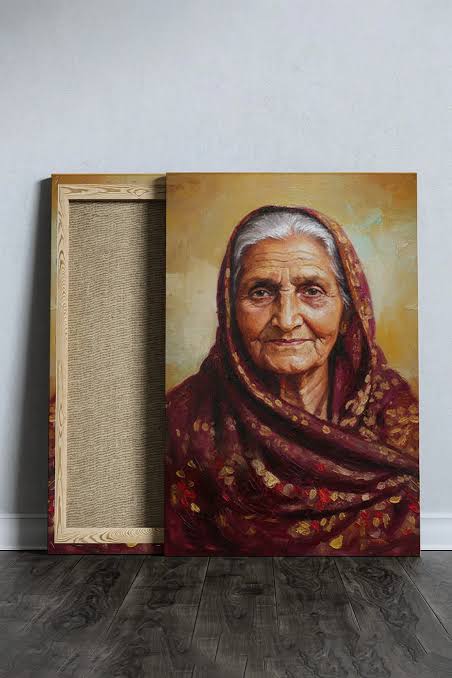
Creating a high-quality oil painting requires more than artistic talent. Skilled artists combine technical knowledge, careful planning, suitable materials, and attention to detail to transform an idea or reference image into a finished work of art. Every stage, from preparing the canvas to applying the final brushstrokes, contributes to the painting’s overall appearance and durability.
The process becomes especially important when producing personalized artwork that must reflect specific subjects, expressions, colors, and preferences. Professional artists approach Custom Oil Paintings with a focus on accuracy, composition, and craftsmanship, ensuring that each detail supports the intended artistic result.
Careful Planning Before Painting Begins
A successful painting often starts with a clear understanding of the subject and the desired outcome. Before applying paint, artists review the reference material, identify important visual elements, and determine how the composition should be arranged.
For portrait paintings, this may involve studying facial proportions, expressions, clothing, and lighting. Landscape paintings require attention to perspective, natural forms, atmospheric effects, and the relationship between foreground and background.
Artists may also create preliminary sketches to establish the composition. This planning stage helps identify potential issues early and provides a clear direction for the painting process.
Selecting High-Quality Materials
The materials used in an oil painting have a significant influence on its finish and longevity. Experienced artists select supplies based on the subject, painting style, and desired visual effects.
Choosing the Right Canvas
Canvas provides the foundation for an oil painting. Cotton and linen are commonly used because they offer suitable surfaces for different painting approaches.
Linen is known for its strength and distinctive texture, while cotton canvas is a versatile option for many artistic applications. Artists also consider canvas weight, weave, and preparation before beginning work.
A properly primed surface helps paint adhere evenly and reduces excessive absorption of oil into the canvas.
Using Reliable Oil Paints
Pigment quality affects color intensity, coverage, and long-term stability. Skilled artists select paints with suitable pigment properties to achieve accurate colors and consistent results.
They also understand how different pigments behave when mixed. Some are more transparent, while others provide stronger coverage. Knowing these characteristics helps artists create realistic shadows, balanced highlights, and subtle color transitions.
Selecting Appropriate Brushes
Different brushes serve different purposes. Fine brushes help create small details, while flat and filbert brushes are useful for broader strokes and blending.
Artists may also use palette knives to apply thick paint or develop textured surfaces. Selecting the right tool for each stage improves control and helps maintain the intended style.
Maintaining Accuracy and Proportion
Accuracy is particularly important when painting portraits, family scenes, pets, and other recognizable subjects. Even small differences in facial features or body proportions can change the overall appearance of the artwork.
Skilled artists carefully compare the developing painting with its reference. They pay attention to the placement of eyes, nose, mouth, and other defining features while considering the relationship between individual elements.
For complex compositions, artists may use preliminary grids, measurements, or drawing outlines to maintain proportion. These methods provide guidance without limiting the natural expression of the finished painting.
Applying Techniques to Create Fine Details
Oil painting offers several techniques that help artists develop depth, texture, and visual precision. The choice depends on the subject and the effect required.
Layering for Depth
Layering involves applying paint in successive stages. Artists often begin with broad shapes and base colors before gradually developing shadows, highlights, and smaller details.
This approach creates visual depth and allows different parts of the composition to become more refined over time. It is particularly useful for portraits, realistic landscapes, and detailed still-life paintings.
Blending for Smooth Transitions
Blending helps soften the boundaries between colors and tones. Artists use this technique to create natural skin tones, gradual shadows, and realistic lighting effects.
Oil paint’s relatively slow drying time allows artists to adjust transitions while the paint remains workable. However, effective blending requires control to avoid making the surface appear muddy or losing important details.
Fine Brushwork for Precision
Fine brushwork is essential when a painting includes small but meaningful features. These may include individual strands of hair, delicate patterns, facial highlights, or intricate background elements.
Artists use smaller brushes and controlled strokes to develop these areas. They also know when to simplify details so that the painting remains visually balanced rather than becoming unnecessarily crowded.
Texture Through Impasto
Impasto involves applying paint in thicker layers to create visible texture. Artists may use brushes or palette knives to produce raised surfaces and expressive strokes.
This technique can add dimension to flowers, landscapes, clothing, and abstract elements. When used thoughtfully, texture contributes to the character of the painting without distracting from its main subject.
Paying Attention to Color and Lighting
Color accuracy plays a major role in the quality of an oil painting. Artists study the relationship between light, shadow, and surrounding colors to create a convincing visual result.
For portraits, they may combine several shades to reproduce natural skin tones. In landscape paintings, they consider how distance, weather, and sunlight affect the appearance of objects.
Lighting also helps establish mood and depth. Consistent highlights and shadows make subjects appear more dimensional, while balanced color relationships help different elements feel connected.
Reviewing the Artwork Throughout the Process
Quality control is not limited to the final stage. Skilled artists regularly review their work while painting to identify areas that need adjustment.
They may step back from the canvas to evaluate the composition as a whole, then examine specific sections for proportion, color balance, and brushwork. This combination of broad observation and close inspection helps maintain consistency.
Common areas artists review include:
- Accuracy of the main subject and its proportions.
- Consistency of lighting and shadow placement.
- Smoothness and control of color transitions.
- Clarity of important features and small details.
- Balance between the subject and background.
- Overall composition and visual harmony.
Regular evaluation makes it easier to correct mistakes before they become difficult to change.
Allowing Proper Drying and Applying Finishing Touches
Oil paintings need sufficient time to dry. The drying process depends on paint thickness, pigment composition, oil content, and environmental conditions.
Artists take these factors into account before adding further layers or applying protective finishes. Rushing this stage can affect the stability and appearance of the painting.
Once the artwork has dried appropriately, a suitable varnish may be applied to protect the surface and create a more consistent finish. The choice and timing of varnish depend on the painting’s condition and the materials used.
How Experience Improves Artistic Quality
Experience helps artists make better decisions throughout the painting process. They become more familiar with pigment behavior, brush control, composition, and the challenges of working with different subjects.
Experienced artists can also adapt their techniques to individual requirements. A detailed portrait may demand subtle blending and precise brushwork, while an expressive landscape may benefit from broader strokes and stronger textures.
For personalized artwork offered through ARTLAND, these skills help ensure that the final painting reflects the intended subject while maintaining a cohesive artistic style.
Conclusion
High-quality custom oil paintings are the result of careful planning, appropriate materials, skilled techniques, and consistent attention to detail. From maintaining accurate proportions to controlling color, texture, and lighting, every decision contributes to the finished artwork.
Skilled artists also understand the importance of reviewing their work, allowing proper drying time, and applying suitable finishing methods. These practices help create paintings that are visually engaging, carefully crafted, and suitable for long-term appreciation.