HMB-Ca, also known as calcium beta-hydroxy-beta-methylbutyrate or calcium HMB, is a specialized ingredient used in sports nutrition and dietary supplement manufacturing. It is the calcium salt of beta-hydroxy-beta-methylbutyrate (HMB), a compound naturally produced in small quantities during the metabolism of the essential amino acid leucine. Its use in nutritional products has attracted attention because research has explored HMB’s potential role in muscle protein metabolism and muscle maintenance.
For manufacturers and ingredient buyers, understanding Hmb-Ca involves more than knowing its nutritional background. Production methods, chemical identity, assay specifications, physical properties, and batch consistency all influence its suitability for commercial formulations. This article examines how calcium HMB is produced, which quality attributes matter, and how the ingredient is used in different nutritional supplement products.
What Is HMB-Ca?
HMB-Ca is the calcium salt of beta-hydroxy-beta-methylbutyrate. HMB itself is a metabolite formed through the body’s breakdown of leucine, one of the three branched-chain amino acids (BCAAs), along with isoleucine and valine.
During leucine metabolism, some leucine is converted into alpha-ketoisocaproate (KIC). A portion of this intermediate is subsequently converted into HMB through an enzymatic pathway.
The body naturally produces limited quantities of HMB. Supplement products provide an additional concentrated source of the compound.
Important characteristics include:
- Chemical name: Calcium beta-hydroxy-beta-methylbutyrate.
- Common names: HMB-Ca, calcium HMB, and Ca-HMB.
- Chemical category: Calcium salt of an organic acid.
- Metabolic relationship: Associated with leucine metabolism.
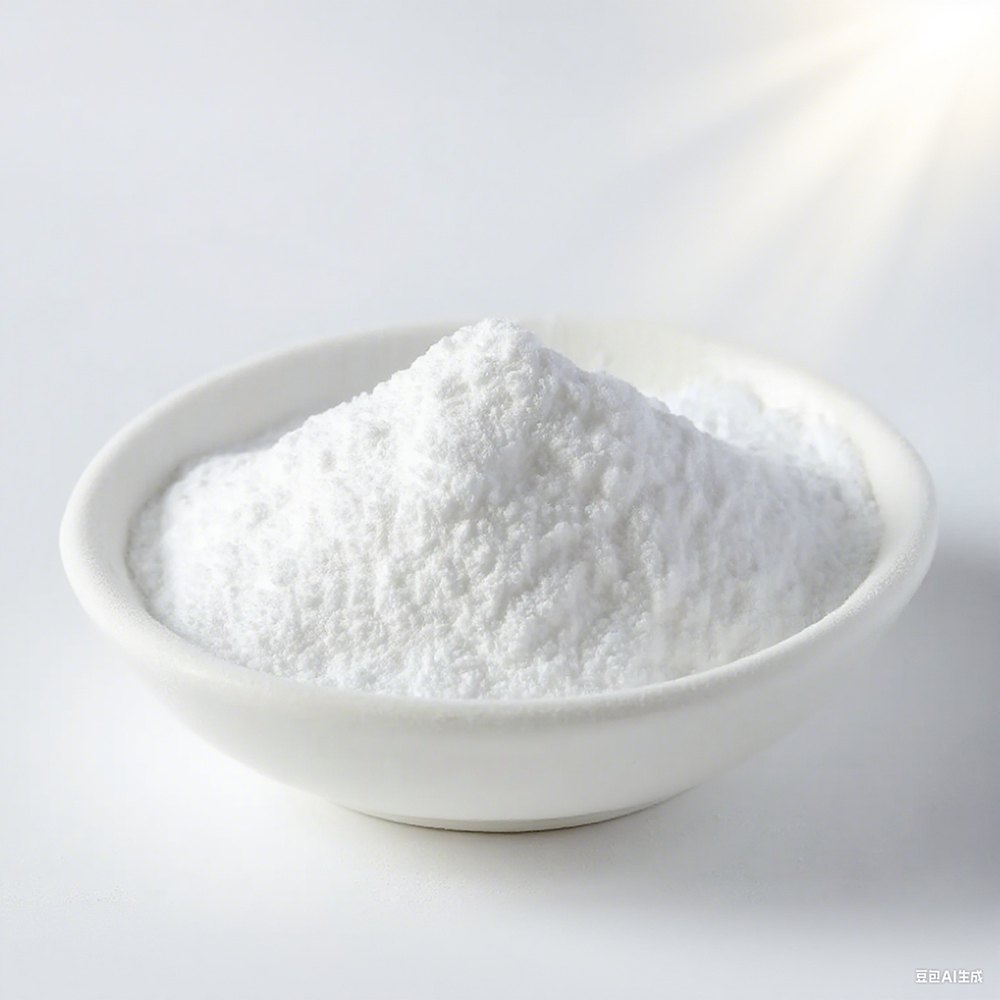
- Common commercial form: White or off-white powder, depending on product specifications.
- Main applications: Sports nutrition and specialized dietary supplements.
HMB-Ca is not an essential amino acid or a complete protein source. It is a separate compound with its own chemical and nutritional characteristics.
Chemical Composition and Properties
Calcium HMB consists of the HMB component combined with calcium to form a salt. The calcium is part of the compound’s chemical structure, so the total mass of the ingredient is not identical to the mass of HMB alone.
This distinction is important when developing supplement formulations and calculating active ingredient quantities.
Manufacturers and commercial buyers should evaluate the following properties:
| Attribute | Description |
|---|---|
| Ingredient identity | Calcium beta-hydroxy-beta-methylbutyrate |
| Common abbreviation | HMB-Ca or Ca-HMB |
| Chemical form | Calcium salt |
| Appearance | Typically white or off-white powder |
| Assay basis | Should clearly specify calcium salt or HMB equivalent |
| Calcium content | Relevant compositional attribute |
| Physical characteristics | Particle size, density, flowability, and moisture |
| Main application | Dietary supplements and sports nutrition |
Exact specifications should be confirmed through the supplier’s product documentation rather than assumed from the ingredient name alone.
How HMB-Ca Is Produced
Commercial calcium HMB is generally produced through controlled chemical manufacturing and purification. Specific production methods vary between manufacturers, but a typical process involves several stages.
1. Raw Material Selection and Qualification
The manufacturing process begins with the selection of suitable starting materials.
Incoming materials are checked against established specifications to confirm their identity and quality. Appropriate raw material controls help reduce the risk of introducing unwanted substances into the production process.
2. Production of the HMB Component
The HMB component is produced through a controlled chemical process.
Manufacturers manage reaction conditions, reagent quantities, and processing parameters to support consistent product formation. The specific chemistry and operating conditions depend on the production method.
3. Calcium Salt Formation
The HMB component is reacted with an appropriate calcium source to form calcium beta-hydroxy-beta-methylbutyrate.
Process control is important at this stage because the resulting material must meet the intended chemical composition and product specifications.
4. Separation and Purification
After the reaction, the product is separated from the remaining process mixture.
Purification operations may include filtration, washing, concentration, or other suitable techniques. The objective is to reduce unwanted substances and obtain material that meets the required quality criteria.
5. Drying
The purified material is dried to meet the established moisture specification.
Drying conditions should be controlled to achieve consistent material properties and suitable storage characteristics.
6. Milling and Sieving
Depending on the intended application, the dried product may undergo milling or sieving.
These operations help achieve a suitable particle-size distribution for blending, filling, and other downstream manufacturing processes.
7. Testing and Packaging
The finished ingredient is tested against approved specifications before release.
After quality approval, it is packed in suitable containers designed to protect the material during storage and transportation.
Nutritional Role and Potential Applications of HMB-Ca
HMB is studied for its potential influence on muscle protein metabolism. Research has investigated its possible relationship with protein breakdown, protein synthesis, and muscle maintenance. Findings vary between studies, so its effects should not be presented as guaranteed.
1. Muscle Protein Metabolism
Muscle tissue is continuously renewed through protein synthesis and protein breakdown.
HMB has been investigated for its potential influence on pathways associated with muscle protein breakdown. This has contributed to its use in sports nutrition products designed for people interested in muscle maintenance.
2. Exercise-Related Nutrition
Some research has explored HMB supplementation in people participating in resistance training and other physical activities.
Results are not consistent across all populations and training conditions. Factors such as dietary protein intake, exercise intensity, supplementation duration, and individual characteristics can affect outcomes.
3. Muscle Maintenance Formulations
HMB-Ca is included in certain nutritional products intended for adults interested in maintaining muscle as part of an active lifestyle.
It should be considered alongside adequate protein intake and regular physical activity, not as a replacement for either.
4. Specialized Nutritional Products
HMB has also been studied in older adults and individuals experiencing periods of reduced physical activity.
Its potential relevance to these populations remains an area of research. Product development for specialized groups should consider individual nutritional requirements and applicable regulatory standards.
Applications in Dietary Supplement Manufacturing
Calcium HMB can be incorporated into different finished-product formats, depending on the manufacturer’s formulation objectives.
Powdered Sports Nutrition Products
Powder is a flexible ingredient format for sports nutrition manufacturers.
Calcium HMB may be blended with protein, amino acids, flavoring agents, sweeteners, or other nutritional ingredients. Particle size and flowability are important because they can affect blending and filling performance.
Capsules
Capsules provide a convenient format for delivering measured quantities of calcium HMB.
Manufacturers should consider ingredient density, capsule capacity, fill weight, and blend uniformity when developing capsule formulations.
Tablets
Calcium HMB may also be used in compressed tablets.
Tablet development requires attention to compressibility, excipient compatibility, hardness, friability, and disintegration. The final formulation should maintain consistent ingredient distribution.
Multi-Ingredient Formulations
Some manufacturers combine calcium HMB with other ingredients, including:
- Whey or plant-based protein.
- Essential amino acids.
- Branched-chain amino acids.
- Creatine.
- Vitamins and minerals.
- Carbohydrates and flavoring ingredients.
Each ingredient has its own formulation and quality requirements. Compatibility and stability should be evaluated during product development.
HMB-Ca Compared with Free-Acid HMB
HMB is available in different chemical forms. Calcium HMB and free-acid HMB are two commonly discussed options.
| Feature | Calcium HMB | Free-Acid HMB |
|---|---|---|
| Chemical form | Calcium salt of HMB | Free-acid form |
| Calcium component | Present as part of the salt | Not present as a counterion |
| Common applications | Powder-based supplement formulations | Specialized supplement formulations |
| Quality considerations | HMB content, calcium content, and powder properties | HMB content, physical form, and stability |
These forms should be compared using their actual HMB content rather than total ingredient weight. Buyers should confirm the assay basis and chemical identity in the relevant product documentation.
Important Ingredient Specifications
A well-defined specification helps manufacturers confirm that incoming calcium HMB is suitable for its intended application.
Identity
Identity testing verifies that the material matches the stated calcium HMB compound.
Suitable analytical methods should be selected according to the ingredient’s characteristics and the purpose of the quality-control procedure.
Assay and HMB Content
Assay testing determines whether the ingredient meets its stated content requirements.
For calcium HMB, buyers should confirm whether the assay is expressed as the complete calcium salt or as an HMB equivalent. This affects formulation calculations and label declarations.
Calcium Content
Calcium content is an important compositional attribute because calcium forms part of the salt structure.
The measured result should be consistent with the chemical identity and approved product specification.
Purity and Related Substances
Manufacturers should control relevant impurities that may originate from raw materials or production processes.
The specific analytical methods and acceptance criteria should reflect the intended application and applicable requirements.
Moisture Content
Moisture testing verifies that the material meets its drying specification.
Appropriate moisture control supports consistent powder handling and storage performance.
Elemental Impurities
Depending on the ingredient grade and intended application, testing may be required for elemental impurities such as lead, arsenic, cadmium, and mercury.
Microbiological Quality
Microbiological requirements depend on the product category, manufacturing controls, and intended use. Testing should follow the applicable specifications rather than assuming that identical requirements apply to every ingredient grade.
Certificate of Analysis
A batch-specific Certificate of Analysis (CoA) provides documented results for an identified production lot.
A useful CoA should include the ingredient name, batch number, applicable specifications, test results, and relevant release information.
Physical Quality Attributes for Manufacturing
Chemical composition is only one part of ingredient quality. Physical properties can influence the way calcium HMB performs during production.
Important attributes include:
- Particle-size distribution: Influences blending and powder distribution.
- Bulk density: Affects storage volume and equipment settings.
- Flowability: Influences movement through hoppers and filling equipment.
- Moisture content: Can affect handling and storage behavior.
- Appearance: Helps identify visible inconsistencies or unexpected changes.
- Blend uniformity: Supports consistent distribution of active ingredients in finished products.
For capsule and tablet production, flow and density can affect filling and compression. For powdered drink mixes, particle characteristics and blend uniformity are important for finished-product consistency.
Manufacturers should evaluate these properties under conditions representative of their actual production processes.
Quality Management and Supplier Evaluation
Selecting a reliable calcium HMB supplier requires a review of both technical quality and commercial capabilities.
1. Confirm Product Identity
Verify that the supplied material is calcium HMB rather than free-acid HMB or another ingredient.
The product specification and supporting documentation should identify the chemical form clearly.
2. Review Technical Specifications
Request documentation covering assay basis, HMB content, calcium content, moisture, purity, and relevant impurities.
Compare the supplier’s limits with the requirements of the finished product and destination market.
3. Examine Batch Documentation
Review representative CoAs and confirm that every delivered lot can be traced through its batch identification and quality records.
4. Assess Manufacturing Controls
Ask about raw material qualification, production oversight, in-process checks, testing procedures, and batch release practices.
5. Evaluate Sample Performance
Where possible, test a representative sample before committing to commercial quantities.
Laboratory testing and formulation trials can help determine whether the material meets the required specification and works with the intended manufacturing equipment.
6. Check Packaging and Storage
Confirm that packaging protects the material during handling, transportation, and storage.
Review the supplier’s storage recommendations, shelf-life information, and packaging options.
7. Consider Supply Reliability
Commercial buyers should evaluate manufacturing capacity, order lead times, batch consistency, technical support, and the supplier’s ability to meet forecasted demand.
Storage and Handling Recommendations
Appropriate storage practices help maintain ingredient quality throughout warehousing and production.
Recommended practices include:
- Keep the material in its original sealed packaging until use.
- Follow the supplier’s recommended temperature and humidity conditions.
- Store containers in a clean, dry environment.
- Protect packaging from physical damage and contamination.
- Maintain clear batch identification and inventory records.
- Use an appropriate stock rotation system.
- Follow the manufacturer’s stated shelf life and handling instructions.
Manufacturers should establish incoming-material procedures for inspection, sampling, testing, and release before ingredients enter production.
Regulatory and Compliance Considerations
Regulatory requirements for dietary supplement ingredients vary between countries and markets. Meeting a supplier’s internal specification does not automatically establish that an ingredient is acceptable for every finished-product application.
Manufacturers should evaluate:
- Ingredient status in the destination market.
- Applicable dietary supplement regulations.
- Manufacturing and quality requirements.
- Labeling and permitted product claims.
- Contaminant and impurity limits.
- Import and documentation requirements.
- Finished-product testing obligations.
The final manufacturer is responsible for confirming that the ingredient, formulation, labeling, and marketing claims comply with applicable local requirements.
Frequently Asked Questions
What does HMB-Ca stand for?
HMB-Ca stands for calcium beta-hydroxy-beta-methylbutyrate. It is the calcium salt of HMB, a compound naturally produced in small amounts during leucine metabolism.
Is HMB-Ca an amino acid?
No. HMB is a metabolite associated with leucine breakdown. Calcium HMB is its calcium salt form, not an essential amino acid or a complete protein.
How is calcium HMB manufactured?
Commercial calcium HMB is produced through controlled chemical processing, calcium salt formation, separation, purification, drying, and powder processing. Exact manufacturing methods vary by producer.
What is the difference between HMB-Ca and HMB-FA?
HMB-Ca is the calcium salt form, while HMB-FA is the free-acid form. Their chemical compositions differ, so buyers should compare them using actual HMB content rather than total ingredient weight.
What quality tests are important for HMB-Ca?
Relevant tests may include identity, assay, HMB content, calcium content, moisture, related impurities, elemental impurities, and microbiological quality where applicable.
Which supplement products use calcium HMB?
It is commonly used in sports nutrition powders, capsules, tablets, and multi-ingredient nutritional formulations.
Can calcium HMB replace protein supplements?
No. Calcium HMB does not provide all essential amino acids needed for protein synthesis. Adequate dietary protein remains important for normal muscle maintenance and growth.
Conclusion
HMB-Ca is a specialized ingredient used in sports nutrition and dietary supplement manufacturing. Its connection to leucine metabolism and ongoing research into muscle protein turnover have made it relevant to formulations designed around muscle maintenance and exercise-related nutrition.
For manufacturers, successful ingredient selection depends on clear chemical identification, a defined assay basis, calcium content, purity, moisture, physical properties, and reliable batch documentation. Careful supplier evaluation, appropriate testing, and controlled storage help maintain consistency from raw material procurement through finished-product manufacturing.