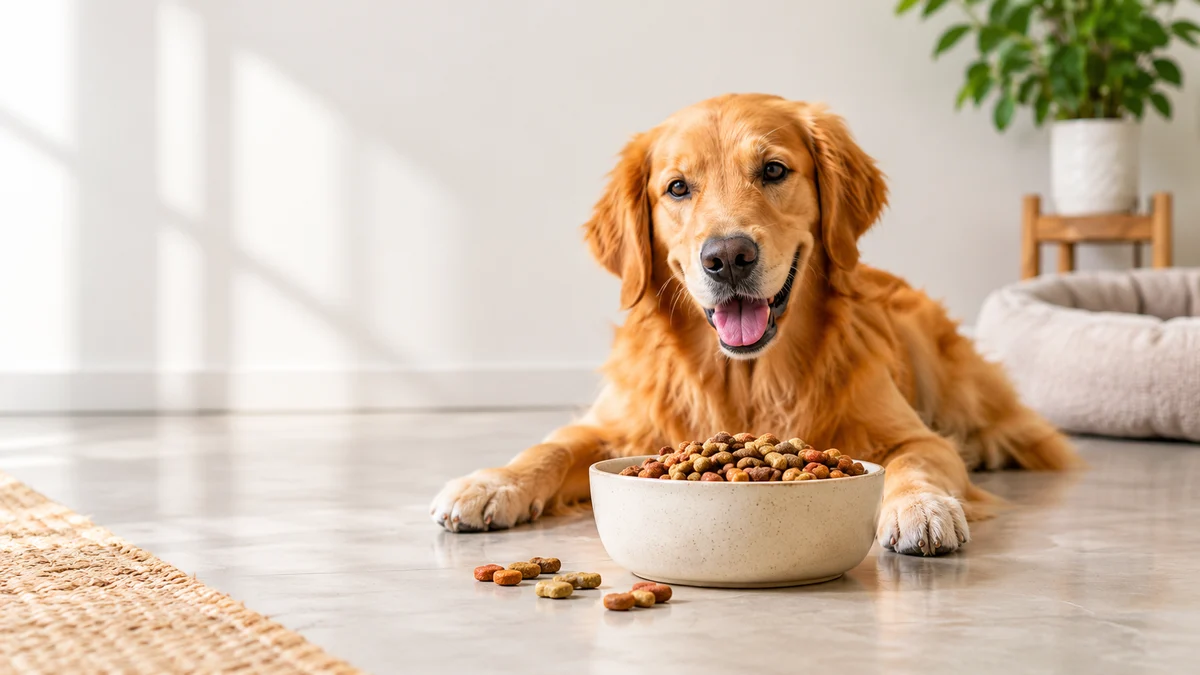
Dog owners increasingly look for treats that combine appealing flavor, recognizable ingredients, and convenient feeding. Chicken is a popular choice because it provides animal protein and has a familiar taste that many dogs enjoy. When processed through freeze-drying, chicken can become a lightweight, shelf-stable treat with a texture and aroma that retain many characteristics of the original ingredient.
The growing interest in Freeze Dried Chicken Dog Treats reflects demand for simple ingredient options and alternative processing methods in the pet food industry. However, product quality involves more than choosing chicken as the main ingredient. Raw material sourcing, nutritional composition, manufacturing controls, packaging, and microbiological safety all influence the suitability of the finished treat.
What Are Freeze-Dried Chicken Dog Treats?
Freeze-dried chicken dog treats are made by removing most of the water from chicken through a controlled freezing and vacuum-drying process. During primary drying, ice changes directly into water vapor through sublimation. Secondary drying removes additional moisture to reach the desired product specifications.
The process helps preserve the physical structure of the chicken while producing a lightweight, concentrated ingredient.
Common product formats include:
- Chicken breast cubes: Bite-sized pieces suitable for everyday rewards.
- Chicken breast strips: Larger pieces that can be broken into smaller portions.
- Chicken chunks: Convenient options for training and occasional rewards.
- Chicken flakes: Smaller pieces that can also be used as food toppers.
- Ground chicken treats: Products made from processed chicken material and shaped into convenient portions.
The exact texture, size, and nutritional composition depend on the chicken cut, preparation method, and manufacturing specifications.
Benefits of Freeze-Dried Chicken Dog Treats
Freeze-dried chicken treats offer several practical features that make them attractive to pet owners and manufacturers.
1. Animal-Based Protein
Chicken supplies protein containing essential amino acids that support normal muscle maintenance, tissue repair, and other biological functions.
Because the freeze-drying process removes water, protein and other solids become more concentrated by weight. This does not mean that the process creates additional protein; it reduces the water content of the original ingredient.
2. Naturally Appealing Flavor
Chicken has a familiar flavor and aroma that many dogs find attractive. Freeze-drying can help retain many of these characteristics because the process generally limits prolonged exposure to high temperatures.
The final aroma and taste still depend on raw material freshness, processing conditions, fat stability, and packaging.
3. Lightweight and Convenient
Removing most of the water makes chicken treats lighter than their fresh or frozen equivalents. This can make them convenient to carry during walks, training sessions, and travel.
Their compact format also allows manufacturers to develop different package sizes for retail and wholesale markets.
4. Simple Ingredient Options
Some products contain only chicken, making their ingredient lists relatively straightforward.
Single-ingredient treats can appeal to owners who prefer products with clearly identified animal proteins. Nevertheless, a simple ingredient list does not automatically guarantee safety, quality, or suitability for every dog.
5. Flexible Feeding Uses
Freeze-dried chicken can be offered as a reward, occasional snack, or meal topper. Pieces can often be broken into smaller portions, depending on their texture.
Treats should generally account for no more than 10% of a dog’s daily calorie intake, with the remainder coming from a complete and balanced diet.
6. Convenient Storage
Properly processed and packaged freeze-dried treats can often be stored at ambient temperatures according to the manufacturer’s instructions.
Their storage stability depends on residual moisture, water activity, packaging performance, fat content, and environmental conditions.
Understanding the Nutritional Value of Chicken Treats
Chicken provides several nutrients, but the nutritional profile depends on the cut and the amount of fat and other components present.
Protein
Protein is one of chicken’s main nutritional contributions. It supplies amino acids that dogs need for normal body functions.
Chicken breast generally contains less fat than some other chicken cuts, while thigh meat and other portions may have different fat levels.
Fat and Energy
Chicken fat provides concentrated energy and contributes to flavor and texture. The amount of fat in a treat can vary considerably according to the raw material and trimming process.
Pet owners should consider calorie content when determining how many treats to provide, particularly for dogs that need weight management.
Vitamins and Minerals
Chicken contains naturally occurring nutrients such as B vitamins, phosphorus, selenium, and other minerals. Their concentrations vary by cut and processing conditions.
Freeze-drying can retain many nutrients, but it does not guarantee that every vitamin remains unchanged. Nutrient retention should be evaluated through appropriate analysis.
Moisture and Concentration
Freeze-dried treats contain much less water than fresh chicken. As a result, nutrients are more concentrated when compared on an equal-weight basis.
For meaningful comparisons between products with different moisture levels, buyers can review dry-matter values and calorie information rather than relying on protein percentages alone.
Why Ingredient Quality Matters
The quality of the finished treat begins with the chicken used during production. Even a well-controlled drying process cannot compensate for unsuitable or poorly handled raw materials.
Chicken Source and Traceability
Manufacturers should work with approved suppliers and maintain records that identify ingredient sources and production batches.
Traceability supports quality investigations, supplier evaluation, and product recall procedures when needed.
Freshness and Handling
Chicken is a perishable animal product. Its handling before processing affects both quality and food safety.
Suppliers should follow appropriate temperature controls, transportation procedures, and hygienic handling practices.
Cut Selection
Different chicken cuts produce different nutritional and physical characteristics.
- Breast meat: Generally lean and suitable for products with a relatively high protein-to-fat ratio.
- Thigh meat: Often contains more fat and has a different texture.
- Mixed chicken meat: Can provide a broader ingredient profile but requires consistent specifications.
- Organ ingredients: Have distinct nutritional characteristics and should be identified clearly on product labels.
Ingredient Transparency
Product labels should accurately describe the chicken ingredient used. Buyers should check whether the treat contains only chicken or includes additional ingredients, binders, flavorings, or preservatives.
Clear ingredient descriptions help consumers make informed decisions.
How Freeze-Dried Chicken Dog Treats Are Manufactured
Manufacturing involves several stages, each of which can influence product consistency, nutritional quality, and safety.
1. Raw Material Inspection
Chicken is received from approved suppliers and inspected according to established specifications.
Checks may cover ingredient identity, packaging condition, freshness, temperature records, and relevant supplier documentation.
2. Trimming and Preparation
The chicken is prepared according to the product design. This may involve removing unwanted tissue, trimming fat, deboning, grinding, or cutting the meat into uniform portions.
Consistent piece size helps support predictable drying and finished-product appearance.
3. Freezing
Prepared chicken is frozen before entering the freeze-drying equipment. Freezing converts much of the water into ice, preparing it for removal through sublimation.
4. Primary Drying
The frozen chicken is placed in a vacuum chamber. Reduced pressure allows ice to change directly into water vapor.
A condenser captures the vapor as moisture is removed from the product.
5. Secondary Drying
After primary drying, additional moisture is removed to achieve the target product specifications.
Manufacturers monitor the process to help maintain consistency across batches.
6. Quality Inspection
Finished treats are checked against agreed standards. Depending on the product, this may include:
- Appearance and color.
- Piece size and texture.
- Moisture content.
- Water activity.
- Protein and fat composition.
- Microbiological quality.
- Packaging integrity.
7. Packaging and Labeling
The finished product is packed in suitable moisture- and oxygen-protective materials.
Labels should accurately communicate ingredients, feeding guidance, net weight, batch identification, storage instructions, and other information required by the relevant market.
Manufacturing Standards and Food Safety
Food safety is particularly important when producing treats made from animal-derived ingredients.
An important consideration is that freeze-drying removes moisture but does not necessarily destroy harmful microorganisms. Pathogens such as Salmonella can survive in low-moisture foods even when they cannot grow.
Manufacturers therefore need suitable preventive controls rather than relying on the drying process alone.
Good Manufacturing Practices
Good Manufacturing Practices help maintain hygienic production environments and consistent procedures.
Important areas include:
- Employee hygiene and training.
- Cleaning and sanitation schedules.
- Equipment maintenance.
- Pest management.
- Raw material handling.
- Separation of raw and finished product areas.
- Documented production procedures.
HACCP-Based Food Safety Management
A Hazard Analysis and Critical Control Point approach helps identify potential biological, chemical, and physical hazards.
Manufacturers should evaluate the risks associated with chicken sourcing, preparation, processing, packaging, and distribution.
Validated Pathogen-Reduction Controls
Where a pathogen-reduction step is required, its effectiveness should be validated for the specific product and process.
Freeze-drying should not be treated as a sterilization or pathogen-kill step. The manufacturer should establish appropriate controls and protect the product against contamination after any treatment.
Microbiological Testing
Testing can help verify that food safety procedures are working as intended.
Depending on the product and risk assessment, relevant testing may include Salmonella and other microbiological criteria required by the destination market or customer specification.
Laboratory testing supports preventive controls but does not replace them.
Batch Documentation and Traceability
Manufacturers should maintain records of raw materials, processing conditions, quality checks, and finished-product batches.
These records help identify the source of deviations and support corrective actions when needed.
How to Evaluate the Quality of Chicken Dog Treats
Pet food brands, distributors, and consumers can assess product quality through several practical checks.
Examine the Appearance
Treats should match the expected product description and agreed specifications. Natural variations in color and texture may occur, but excessive powder, unusual discoloration, or visible foreign material should be investigated.
Check Moisture and Water Activity
Moisture content measures the total water in the product, while water activity indicates how much water is available for microbial growth and certain chemical reactions.
Both measurements can help assess product stability. A low water activity does not prove that pathogens are absent.
Review Nutritional Information
Check protein, fat, moisture, calorie content, and other declared values. These details help determine whether the product is appropriate for its intended use.
Evaluate Packaging
Packaging should be sealed correctly and provide adequate protection against humidity, oxygen, and contamination.
Damaged or poorly sealed packaging can reduce product quality during storage and distribution.
Review Supplier Documentation
For commercial buyers, useful documents include product specifications, certificates of analysis, batch records, food safety documentation, and shelf-life information.
Documentation should correspond to the actual product and relevant production batch.
Choosing the Right Treat Size and Texture
Product dimensions influence how easily treats can be portioned and used.
Small Pieces for Training
Small chicken pieces can be convenient when owners provide frequent rewards during training. Smaller portions can help manage calorie intake while allowing repeated reinforcement.
Larger Pieces for Occasional Rewards
Larger chunks may suit occasional rewards or dogs that prefer more substantial treat pieces. Owners should select a size appropriate for their dog’s chewing habits and supervise feeding.
Crumbles for Meal Toppers
Crumbled chicken can be sprinkled over regular food to add flavor and texture. These products should be used as supplemental additions unless they are specifically formulated as complete food.
Texture and Rehydration
Some freeze-dried treats are firm and crisp, while others are more porous and easy to break apart. Some products may soften when water is added.
Follow the manufacturer’s preparation instructions. Once rehydrated, chicken treats should be handled as perishable animal-based food and should not be left at room temperature for extended periods.
Storage and Shelf-Life Considerations
Correct storage helps maintain the quality of freeze-dried chicken treats after manufacturing.
Keep Products Dry
Moisture exposure can change the texture and water activity of freeze-dried chicken. Store unopened packages in a cool, dry location according to the label.
Protect Against Oxygen
Chicken fat can undergo oxidation, which may affect aroma and flavor. Packaging with suitable oxygen-barrier properties can help protect the product.
Reseal Opened Packages
After opening, close the package securely or use an appropriate airtight container if permitted by the manufacturer.
Avoid Direct Sunlight and Heat
Excessive heat and sunlight can affect product quality and packaging performance. Store products away from windows, heaters, and other heat sources.
Follow Expiry Dates
Shelf life depends on product composition, residual moisture, water activity, packaging, and storage conditions. Follow the manufacturer’s stated expiry date and storage guidance.
Freeze-Dried Chicken Treats Compared with Other Dog Treats
Different treat formats have different processing methods and handling requirements.
| Treat Type | Main Characteristics | Considerations |
|---|---|---|
| Freeze-dried chicken | Moisture removed from frozen chicken through sublimation | Lightweight; requires protection from moisture |
| Dehydrated chicken | Water removed using heat and airflow | Texture and nutrient retention depend on drying conditions |
| Baked chicken treats | Prepared using heat-based baking | May contain additional ingredients and binders |
| Soft chicken treats | Formulated with moisture-retaining ingredients | Often require specific preservation and storage controls |
| Frozen chicken treats | Chicken maintained under frozen conditions | Requires freezer storage and careful thawing |
The best option depends on the dog’s preferences, dietary needs, product formulation, and owner priorities.
Commercial Opportunities for Manufacturers and Pet Food Brands
Freeze-dried chicken treats provide opportunities for businesses developing premium pet products.
Single-Protein Product Lines
Brands can develop chicken-only treats for consumers seeking clearly identified animal protein ingredients.
Premium Training Treats
Small, lightweight pieces can be positioned for training and reward applications. Packaging can be designed for convenient carrying and portioning.
Multi-Format Product Ranges
Manufacturers can offer cubes, strips, chunks, and crumbles to serve different consumer preferences and retail categories.
Private-Label Manufacturing
Businesses can work with specialist manufacturers to create products under their own brands. Important project details include ingredient specifications, product dimensions, packaging, labeling, minimum order quantities, and quality responsibilities.
Wholesale and Distribution
Retailers and distributors can purchase larger quantities for repackaging or resale, subject to applicable food safety, labeling, and regulatory requirements.
Frequently Asked Questions
Are freeze-dried chicken dog treats healthy?
They can provide animal protein and serve as convenient rewards when used appropriately. Their suitability depends on ingredient quality, calorie content, manufacturing controls, and the dog’s individual dietary needs.
Do freeze-dried chicken treats contain preservatives?
Some products contain only chicken, while others may include additional ingredients. Check the ingredient list and product specifications rather than assuming all freeze-dried treats have the same formulation.
Are freeze-dried chicken treats safe from bacteria?
Not automatically. Freeze-drying removes moisture but does not necessarily kill pathogens. Manufacturers need suitable food safety controls, and consumers should follow safe handling instructions.
Can puppies eat freeze-dried chicken treats?
Some products may be suitable for puppies, but treat size, texture, calorie content, and feeding guidance matter. Owners should select age-appropriate products and supervise feeding.
Can these treats be used as a complete meal?
Single-ingredient chicken treats are not nutritionally complete meals. Dogs need a complete and balanced diet that provides all required nutrients in appropriate proportions.
How should opened chicken treats be stored?
Keep them dry, reseal the packaging securely, and follow the manufacturer’s storage instructions. Avoid exposure to humidity and excessive heat.
What should businesses request from a manufacturer?
Buyers should request product specifications, ingredient details, food safety documentation, certificates of analysis where applicable, packaging information, shelf-life details, and batch traceability records.
Conclusion
Freeze-dried chicken dog treats offer a convenient way to provide dogs with chicken-based rewards while giving manufacturers flexibility in product size, texture, and packaging. Their lightweight structure, concentrated flavor, and simple ingredient possibilities make them an attractive option in the premium pet treat market.
However, reliable product quality depends on more than the freeze-drying process. Responsible ingredient sourcing, controlled manufacturing, validated food safety measures, nutritional accuracy, and suitable packaging are essential.
For pet owners, checking ingredients, calorie information, and feeding guidance helps support appropriate treat selection. For manufacturers and distributors, clear specifications, supplier verification, and consistent quality control provide a stronger foundation for producing dependable chicken dog treats.