Hydroelectric power plants rely on dependable rotating equipment to maintain consistent electricity generation. Among the critical components in these systems, bearings play an important role in supporting turbine shafts, controlling movement, and managing mechanical forces. Their condition directly affects equipment stability, operational efficiency, and maintenance requirements.
Extending the service life of hydro turbine bearings requires more than selecting a durable product. Proper installation, effective lubrication, load management, and routine condition monitoring all contribute to long-term performance. A well-planned maintenance strategy can reduce premature wear, minimize unexpected shutdowns, and improve the reliability of hydropower equipment.
1. Choose Bearings Suitable for the Operating Environment
Bearing selection is one of the first factors influencing service life. Hydro turbines operate under varying mechanical loads, rotational speeds, temperatures, and moisture conditions. A bearing that is unsuitable for these conditions may experience excessive wear or reduced operating stability.
Before selecting a bearing, engineers should evaluate:
- Expected radial and axial loads
- Shaft diameter and bearing dimensions
- Operating speed and temperature
- Lubrication method and lubricant properties
- Exposure to moisture and possible contamination
- Required service intervals and maintenance accessibility
The bearing material and design should match the specific turbine configuration. Selecting components based on actual operating requirements helps prevent unnecessary stress and premature deterioration.
2. Maintain Proper Lubrication
Lubrication is essential for reducing friction between moving bearing surfaces. In many hydro turbine applications, an effective lubricant film separates the rotating shaft from the bearing surface, helping prevent direct contact and excessive wear.
Inadequate lubrication can lead to higher operating temperatures, surface damage, and accelerated material deterioration.
Follow the Recommended Lubricant Specifications
Always use lubricant grades and viscosity levels recommended for the bearing design and operating conditions. A lubricant that is too thin may not provide sufficient film strength, while excessive viscosity can increase resistance and heat generation.
Monitor Oil Quality
Lubricating oil can gradually deteriorate through oxidation, contamination, and prolonged exposure to operating temperatures. Regular oil sampling and condition analysis help identify changes before they affect bearing performance.
Keep Lubrication Systems Clean
Filters, oil passages, reservoirs, and supply lines should be inspected according to the maintenance schedule. Contaminants such as dust, metal particles, and water can damage bearing surfaces and interfere with lubrication.
3. Ensure Accurate Installation and Alignment
Incorrect installation can significantly shorten bearing service life. Misalignment may create uneven pressure across bearing surfaces, increase vibration, and place additional stress on shafts and connected components.
Installation procedures should follow the manufacturer’s technical specifications and established engineering practices.
Important considerations include:
- Checking shaft dimensions and surface condition
- Verifying bearing housing alignment
- Maintaining specified clearances
- Using suitable installation tools and procedures
- Avoiding excessive force during assembly
- Confirming correct positioning before startup
Precision alignment is especially important in large vertical-shaft hydroelectric installations, where small positioning errors can influence the performance of the entire rotating assembly.
4. Prevent Excessive Mechanical Loading
Bearings are designed to operate within specific load limits. Continuous operation beyond these limits can increase surface pressure, accelerate fatigue, and cause premature failure.
Hydro turbine bearings may experience radial loads from hydraulic forces, rotor imbalance, and shaft weight distribution. Axial loads can develop from runner thrust and the weight of rotating components.
Engineers should verify that the bearing arrangement can accommodate expected operating forces. Load distribution should also be reviewed when turbine operating conditions change or equipment modifications are introduced.
Maintaining proper rotor balance and shaft alignment helps reduce unnecessary mechanical stress.
5. Monitor Operating Temperature
Temperature is an important indicator of bearing condition. A gradual or sudden increase may point to lubrication problems, excessive loading, misalignment, or surface deterioration.
Operators should establish normal operating temperature ranges based on equipment specifications and historical performance.
Temperature monitoring can help maintenance teams:
- Detect abnormal friction and heat generation
- Identify lubrication system problems
- Recognize changes in bearing operating conditions
- Investigate potential mechanical defects
- Plan inspections before serious damage develops
Temperature readings are most useful when evaluated over time rather than treated as isolated measurements.
6. Control Vibration and Shaft Movement
Excessive vibration can indicate problems with bearing support, rotor balance, shaft alignment, or connected machinery.
If vibration remains unchecked, it may contribute to uneven loading, surface wear, and damage to surrounding components.
Regular vibration monitoring helps identify changes in mechanical behavior. Measurements should be compared with established baseline values and relevant equipment limits.
Shaft displacement and axial position should also be monitored where appropriate, particularly in installations with large thrust-bearing arrangements.
Investigating unusual vibration early can prevent minor mechanical issues from developing into costly repairs.
7. Protect Bearings from Moisture and Contamination
Hydroelectric facilities operate in environments where moisture exposure is an important maintenance consideration. Water entering a lubrication system can reduce lubricant effectiveness and contribute to corrosion.
Solid contaminants can also damage bearing surfaces, especially when they become trapped between moving components.
To reduce contamination risks:
- Inspect seals and protective covers regularly.
- Maintain the integrity of lubrication reservoirs and supply lines.
- Use suitable filtration systems.
- Check lubricating oil for water contamination.
- Keep maintenance tools and surrounding work areas clean.
- Investigate leaks and moisture entry promptly.
Effective contamination control helps preserve bearing surface quality and maintain reliable lubrication.
8. Establish a Preventive Maintenance Schedule
A structured maintenance program helps ensure that bearing condition is evaluated consistently.
Rather than waiting for visible damage or equipment failure, maintenance teams should perform inspections at intervals appropriate to operating conditions and manufacturer recommendations.
A typical maintenance program may include the following activities:
| Maintenance Activity | Purpose |
|---|---|
| Visual inspection | Identify leaks, corrosion, and visible damage |
| Oil analysis | Detect contamination and lubricant deterioration |
| Temperature monitoring | Identify abnormal heat generation |
| Vibration analysis | Detect imbalance and mechanical instability |
| Alignment checks | Maintain correct shaft positioning |
| Bearing inspection | Evaluate wear and surface condition |
| Clearance measurement | Confirm dimensions remain within specified limits |
The inspection frequency should reflect turbine operating hours, equipment criticality, historical condition data, and manufacturer guidance.
9. Use Condition Monitoring for Early Problem Detection
Modern monitoring technologies allow hydropower facilities to evaluate bearing performance while equipment remains in operation.
Sensors can measure vibration, temperature, shaft position, and other operating parameters. These measurements provide information about changing mechanical conditions.
Vibration Analysis
Vibration analysis can help identify imbalance, misalignment, looseness, and other developing mechanical problems.
Oil Condition Monitoring
Oil analysis provides information about lubricant degradation, water contamination, and the presence of wear particles.
Temperature Sensors
Continuous temperature measurements help operators recognize abnormal thermal behavior and investigate potential lubrication or loading issues.
Trend Analysis
Comparing current measurements with historical data makes it easier to recognize gradual changes that may otherwise go unnoticed.
Condition monitoring supports more informed maintenance decisions and can help reduce unnecessary equipment interventions.
10. Avoid Improper Maintenance and Repair Practices
Maintenance procedures can affect bearing life just as much as operating conditions. Incorrect handling, unsuitable replacement materials, or poorly executed repairs may introduce new problems.
Bearing surfaces should be inspected using appropriate measurement and examination methods. Any machining, refurbishment, or replacement should follow applicable engineering specifications.
Maintenance teams should also document inspections, operating observations, lubricant changes, and repair activities. Accurate records help identify recurring issues and support better decisions about future maintenance.
When damage exceeds acceptable limits, replacing the affected component may be safer and more economical than continuing operation with a compromised bearing.
11. Train Maintenance Personnel
Bearing reliability also depends on the knowledge and practices of the people responsible for operating and maintaining the equipment.
Maintenance personnel should understand bearing functions, lubrication requirements, operating limits, and common warning signs.
Training should cover correct inspection methods, safe handling procedures, contamination prevention, and the interpretation of monitoring data.
Consistent maintenance practices across shifts and teams help reduce avoidable errors and improve the effectiveness of the overall maintenance program.
Common Mistakes That Reduce Bearing Service Life
Even well-designed bearings can deteriorate prematurely when basic maintenance requirements are overlooked.
Some common mistakes include:
- Using lubricants that do not meet equipment specifications
- Allowing water or solid particles into lubrication systems
- Ignoring abnormal temperature or vibration readings
- Operating with incorrect shaft alignment
- Exceeding recommended bearing load limits
- Delaying inspections after unusual operating events
- Using unsuitable replacement components
- Failing to maintain accurate service records
Avoiding these practices helps protect bearing surfaces and maintain consistent mechanical performance.
The Role of Quality and Technical Support
Long-term bearing performance depends on a combination of suitable product design, correct operating conditions, and effective maintenance. Reliable technical support can help engineers evaluate material requirements, bearing dimensions, load capacity, and application-specific challenges.
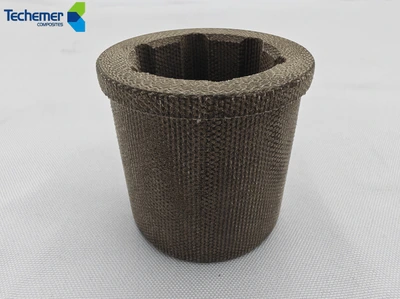
Companies such as Techemer provide a point of reference for exploring industrial bearing solutions and understanding the technical considerations involved in bearing selection.
However, product quality should always be assessed alongside operating specifications, documented performance requirements, and compatibility with the intended turbine application.
Conclusion
Extending the service life of hydro turbine bearings requires a proactive approach that addresses both operating conditions and maintenance practices. Proper selection, accurate installation, effective lubrication, load control, and contamination prevention all contribute to dependable bearing performance.
Regular inspections and condition monitoring provide additional protection by helping maintenance teams identify early signs of deterioration. By following manufacturer recommendations and maintaining consistent inspection procedures, hydropower facilities can reduce premature bearing damage, control maintenance costs, and improve the long-term reliability of turbine-generator systems.